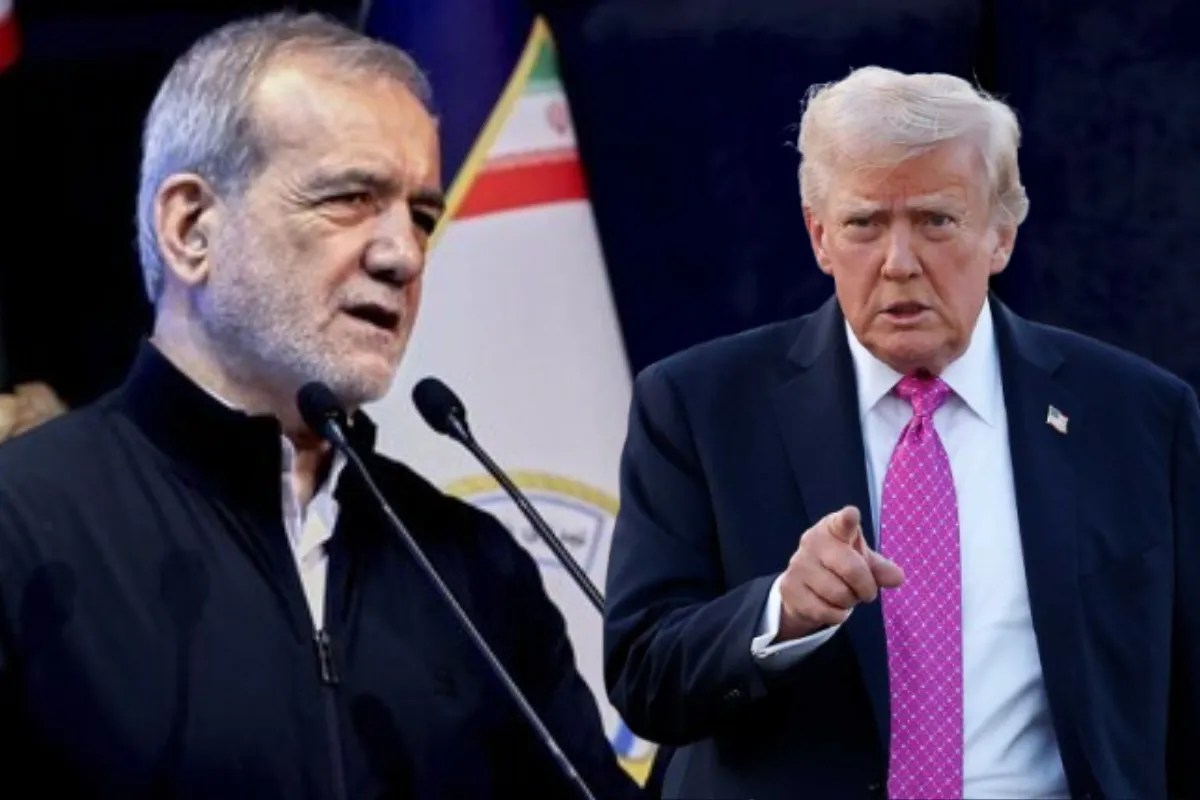
The Grand Theater of Mutual Necessity
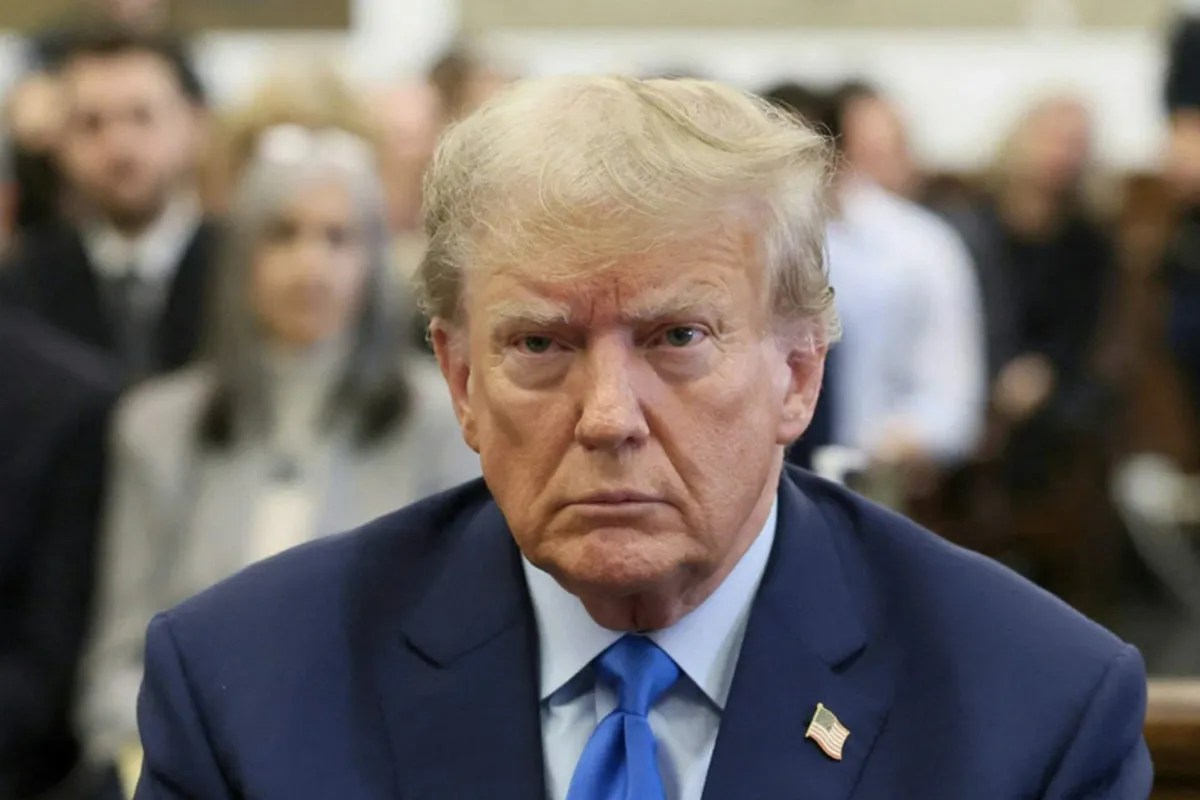
Mainstream media loves a good hero-villain arc. The current narrative surrounding Iranian President Pezeshkian’s "defiance" against Donald Trump is exactly that: a scripted drama designed to keep both regimes relevant while ignoring the cold, hard math of survival. When Tehran screams that it will never let "America’s dream" be fulfilled, they aren't talking to Washington. They are talking to a domestic audience that is increasingly tired of paying for ideological purity with empty refrigerators.
The "lazy consensus" suggests these two powers are on a collision course. In reality, they are dancing. Trump’s "Maximum Pressure" and Iran’s "Strategic Resistance" are two sides of the same coin. They provide each other with the perfect external enemy required to justify internal crackdowns and massive military spending. If you think this is a battle of civilizations, you’ve been sold a front-row seat to a puppet show.
The Economic Myth of Isolation
Commentators often claim that Trump’s return to the White House would "crush" the Iranian economy. This ignores the last decade of shadow banking and the rise of the "Resistance Economy." Iran has already integrated into a non-Western financial loop that Washington can’t see, let alone stop.
I’ve seen analysts blow years of research trying to track Iranian oil tankers using satellite data, only to realize the "ghost armada" is more sophisticated than the tracking systems themselves. By using ship-to-ship transfers in the Malacca Strait and laundering payments through third-party fintech hubs in the UAE and Malaysia, Tehran has rendered traditional sanctions an annoyance rather than an existential threat.
The Iranian leadership doesn’t fear a Trump presidency because of economics. They fear it because Trump is transactional. Unlike the ideological bureaucrats in the State Department, Trump treats geopolitics like a real estate closing. For a regime built on the foundation of "Death to America," a US President who is willing to actually make a deal is the most dangerous thing in the world. It strips away their excuse for failure.
Misunderstanding the Iranian "Threat"
The common question isn't "Will Iran attack?" but "When will they attack?" This is the wrong question. It assumes the Islamic Revolutionary Guard Corps (IRGC) is a suicidal cult. It isn't. It is a multi-billion dollar conglomerate that happens to own a country.
The IRGC controls everything from telecommunications to dam construction. Their primary goal isn't the destruction of Israel or the humiliation of Trump; it is the maintenance of their profit margins. War is bad for business. Small-scale, controlled tension, however, is excellent for business. It keeps the borders tight, the competition out, and the subsidies flowing.
The Nuclear Poker Game
People ask: "How close is Iran to a bomb?" They’ve been "months away" for twenty years.
- Hedge, Don't Build: The strategy is "nuclear latency." Having the capability to build a weapon provides 90% of the leverage with 0% of the risk of being leveled by a B-2 bomber.
- The Paper Tiger: Every time a US politician uses the word "red line," the price of Iranian leverage goes up.
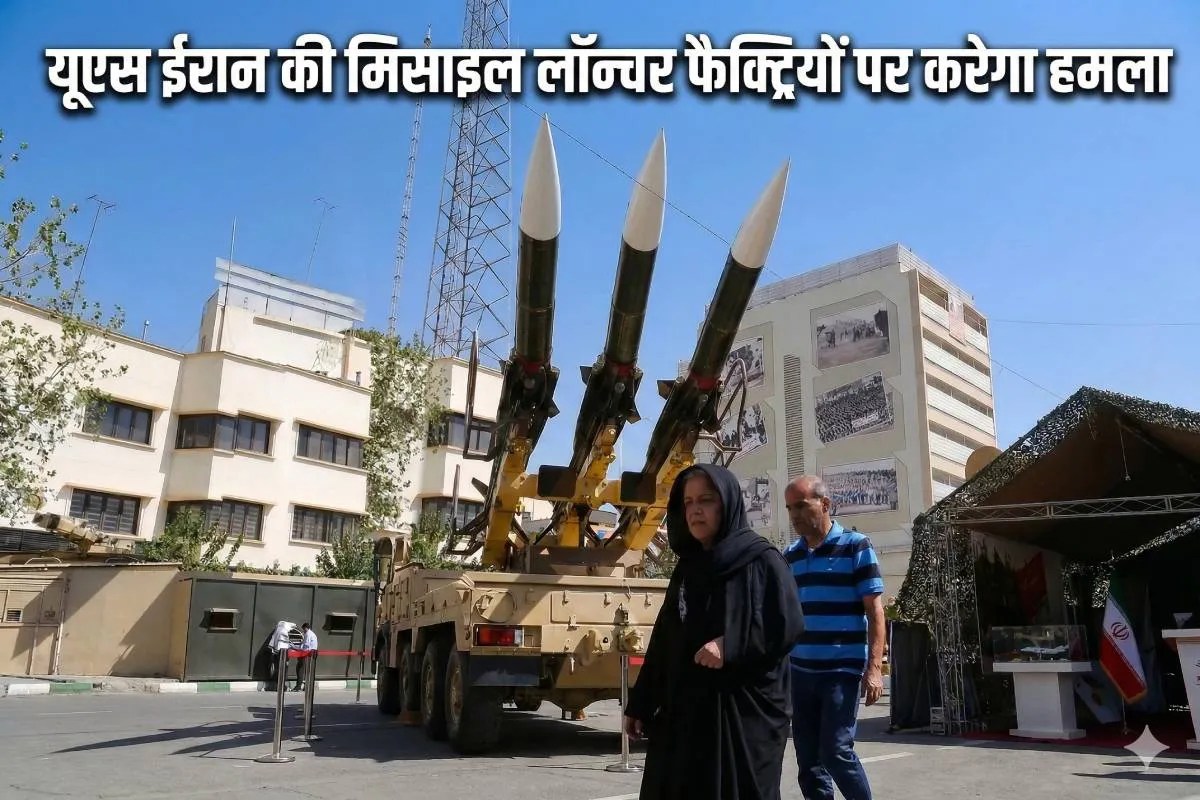
- The Real Goal: The nuclear program is a distraction. While the West focuses on centrifuges, Iran is building a drone and missile network that reshapes regional power dynamics more effectively than a single warhead ever could.
The Trump Factor: A Businessman in a Mosque
Trump’s approach isn't about democracy or human rights. He doesn't care about the internal politics of Tehran. He cares about the "Big Win." The Iranian leadership knows this. Their public-facing "tough talk" is a negotiation tactic—a way to set the floor for the inevitable back-channel talks.
When Pezeshkian says he will "thwart the American dream," he is actually saying "the price of our cooperation just went up." If you look at the currency markets in Tehran whenever Trump’s polling numbers rise, you don’t see panic; you see volatility. Volatility is where the insiders make their money.
The China-Russia Safety Net
The competitor's article misses the most crucial variable: the world is no longer unipolar. In 2018, when Trump pulled out of the JCPOA, Iran was isolated. In 2026, Iran is a member of the BRICS+ and the Shanghai Cooperation Organization (SCO).
They have signed a 25-year strategic partnership with China. They are providing the hardware that fuels the Russian military machine. Washington’s ability to "starve" the regime is a relic of the 1990s. We are now in an era of "Sanction Immunization."
- Currency Swaps: Trade is increasingly conducted in Yuan or Rubles, bypassing the SWIFT system.
- Infrastructure: The International North-South Transport Corridor (INSTC) links Mumbai to St. Petersburg through Iran, creating a trade route that the US Navy cannot touch.
Imagine a scenario where the US increases sanctions, and Iran simply responds by increasing the tariff on Chinese goods transiting through its territory. The US is no longer the only person at the table with a big stick.
The Domestic Collapse Nobody is Watching
While the world watches the "tough guy" contest between Trump and the Ayatollahs, the real threat to the Iranian regime is internal, but not in the way the West thinks. It isn’t a "pro-democracy" revolution. It’s a demographic and environmental catastrophe.
Iran is running out of water. The central plateau is sinking because of groundwater depletion. No amount of "crushing sanctions" or "revolutionary fervor" can fix a dry well. The regime’s survival depends on whether they can provide basic services to a population that has stopped believing in the 1979 dream.
Trump is a convenient scapegoat for these failures. Every time a protest breaks out over water shortages or inflation, the regime points at the "Great Satan" in Washington. Trump, in turn, points at the "Mad Mullahs" to satisfy his base. It’s a symbiotic relationship. They need each other to distract from their own domestic vulnerabilities.
The Brutal Reality of "Regime Change"
The fantasy that a few more sanctions or a targeted strike will lead to a liberal democracy in Tehran is a dangerous delusion.
I’ve watched the US try this in Iraq, Libya, and Afghanistan. In every case, the collapse of the central authority led to a vacuum filled by even more radical, decentralized actors. If the Islamic Republic fell tomorrow, the IRGC wouldn't disappear; they would become the world's best-funded insurgency.
Stop asking if Trump can "stop" Iran. Ask if the global economy can afford the chaos that would follow if he actually succeeded. The status quo—a low-level, controlled hostility—is actually the most stable outcome for both sides. It is the "Cold Peace" that keeps oil prices predictable and military budgets bloated.
The End of the Ideological Era
The rhetoric of "thwarting dreams" and "giving a crushing reply" is the language of a dying era. The new era is about resource security and regional dominance through proxy technology.
Pezeshkian and Trump are both populist performers. They know the value of a good soundbite. But behind the curtain, the technicians and the generals are looking at spreadsheets. They see a world where the US is pivoting to Asia and Iran is pivoting to the East.
The "dream" isn't about conquering the other; it’s about outlasting the other.
Stop reading the headlines about "clashing titans." Start looking at the trade invoices. Start looking at the water tables. Start looking at the drone supply chains. The conflict isn't in the speeches; it's in the logistics. And in the world of logistics, the "tough guy" on the podium is usually the least important person in the room.
Don't buy the hype of a final showdown. There is no final showdown. There is only the next quarter’s negotiation, wrapped in the flag of "resistance" or "greatness," depending on which side of the ocean you're standing on.