Kelowna is done waiting for the provincial government to catch up with its own rules. After two years of aggressive housing targets and a rental market that finally has some breathing room, the city's leadership is effectively banging on the door in Victoria, demanding an early exit from the Short-Term Rental Accommodations Act.
The province’s current timeline is a bureaucratic headache. Under the existing framework, any municipality that hits the required 3% vacancy rate for two consecutive years can opt out of the principal residence requirement—but that change doesn’t typically kick in until November. For a city like Kelowna, which thrives on a high-octane summer tourism economy, a November start date is a slap in the face. It means missing the entire 2026 peak season, including massive draws like the Memorial Cup in May and the B.C. Summer Games. If you liked this article, you might want to look at: this related article.
Housing Minister Christine Boyle recently signaled that the province is finally listening. She’s promised a decision in the "coming weeks" regarding Kelowna’s request to fast-track its exemption. It's a move that could see hundreds of units flood back into the short-term market by spring, right when the first wave of tourists starts looking for somewhere to stay.
The numbers that changed the conversation
When B.C. first dropped the hammer on short-term rentals in May 2024, Kelowna was the poster child for a "chronically low" vacancy rate. We’re talking 1.2% in 2023. Fast forward to today, and the situation looks radically different. The city’s vacancy rate hit 3.8% in 2024 and skyrocketed to 6.9% by the end of 2025. For another perspective on this development, check out the latest update from BBC News.
It’s one of the highest rates in Canada right now.
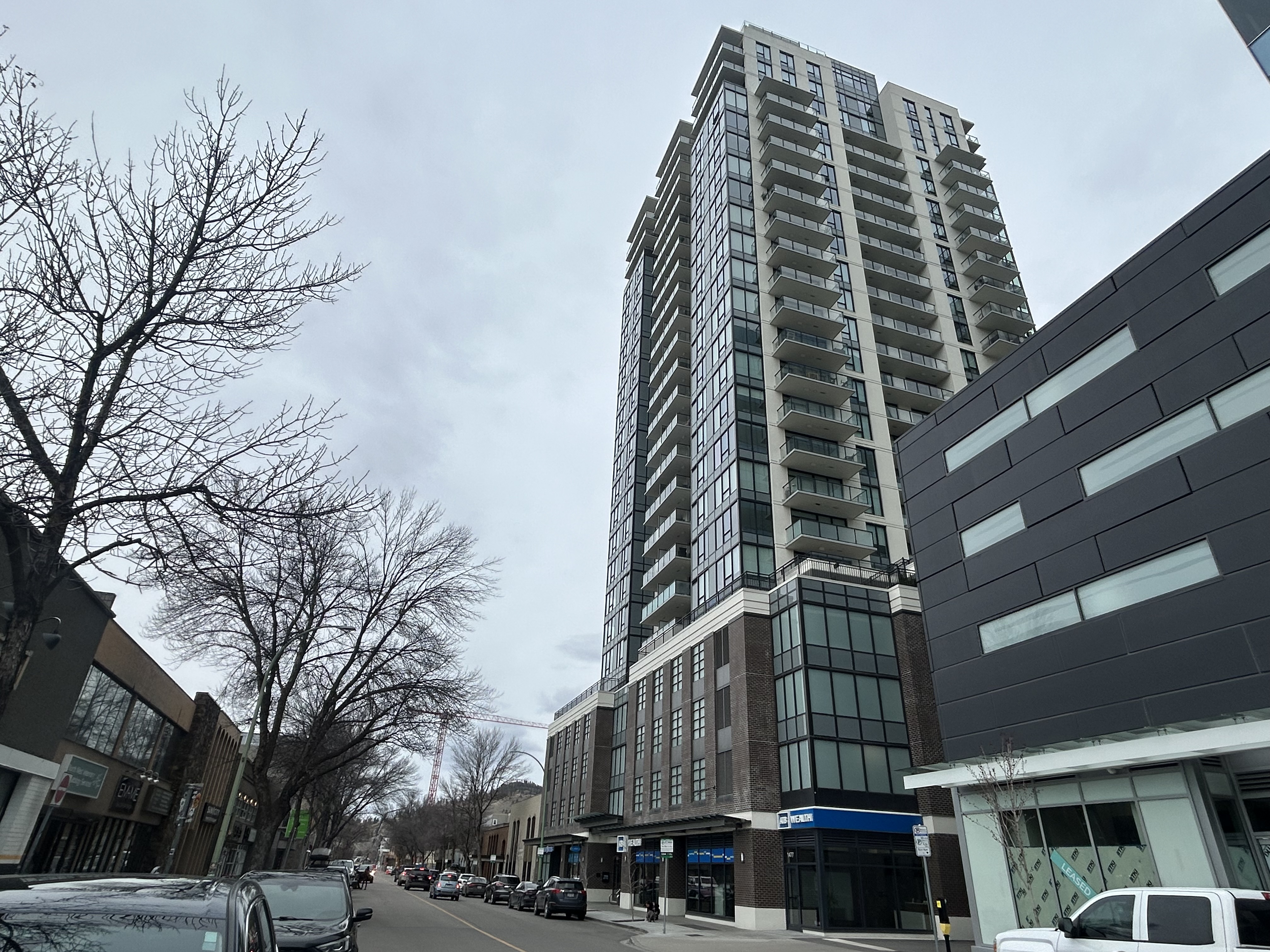
City staff aren’t just sitting on their hands. They’ve already identified 16 specific properties—mostly resort-style condos and buildings that were always designed for visitors—to lead the charge. These aren’t your average suburban basement suites. We’re looking at over 2,100 units that could potentially return to the pool, though city planners estimate only about 700 of those would realistically apply for a principal-use license.
The city’s strategy is a "partial exemption" through a new "STR" subzone. It’s a smart play. By limiting the return of short-term rentals to specific, historically tourist-heavy buildings, the city hopes to avoid the kind of housing speculation that triggered the ban in the first place.
Why the timing is a dealbreaker for local business
Ask any restaurant owner on Bernard Avenue or a boutique shop in South Pandosy about the last two years, and they’ll tell you the same thing: the lack of accommodation is killing them. When tourists can’t find a place to stay, they don't just stay in a hotel; they stay in another city entirely.
The Kelowna Chamber of Commerce hasn't been shy about its frustration. CEO George Greenwood recently pointed out that the city has met every provincial requirement. To the Chamber, forcing local businesses to wait until November is arbitrary and damaging. If the province doesn't sign off by May, the city loses out on millions in tourism revenue from the Memorial Cup alone.
It’s a high-stakes game of chicken. The city is already accepting business license applications for those 16 target properties, gambling on the hope that Victoria will move fast. If you're a property owner in one of these buildings, you're likely sitting on a ready-to-go listing, just waiting for a provincial signature.
Risks of a premature opening
Of course, not everyone is cheering for the return of the Airbnb era. There's a real fear that as soon as the restrictions lift, the rental vacancy rate will crater again. While a 6.9% vacancy rate sounds healthy, critics argue that much of that is due to the current high cost of living pushing people out, rather than a genuine surplus of affordable housing.
Minister Boyle has expressed some of this hesitation. She’s mentioned the need to ensure there is no "backsliding" on housing progress. The province wants to make sure Kelowna’s surge in vacancy isn't a fluke before they hand back the keys to the short-term rental market.
There's also the question of fairness. Some owners sold their investment properties when the ban hit in 2024, thinking the rules were permanent. Those who held on through the lean years are now on the verge of a massive payday, which creates a bit of a bitter taste for those who followed the initial "homes for people" narrative.
How the new system will actually work
If the province gives the green light, don't expect a free-for-all. Kelowna is taking a "batches" approach. They aren't going to flip a switch and make the whole city an STR zone again.
- STR Subzoning: Properties must apply for a specific rezoning that identifies them as a short-term rental priority.
- Business Licenses: Even with the provincial exemption, owners still need a municipal license.
- Strata Approval: Your building's strata council still has the final word. If they don't want short-term rentals, the city won't override them.
- Principal Use Only: For now, the focus is on units that were always meant to be part of the "resort" pool, not single-family homes in quiet neighborhoods.
Basically, if you own a condo in McKinley Beach or a waterfront suite downtown, your chances are good. If you have a house in Rutland you wanted to turn into a full-time vacation rental, you're likely still out of luck.
Check your eligibility now
If you’re a property owner in one of the 16 identified buildings, your first move is to verify your strata’s stance. The City of Kelowna is already processing "pre-applications" to ensure a smooth transition the moment the province signs off.
Keep an eye on the B.C. Housing Ministry’s announcements over the next 14 to 21 days. Once that signature happens, the rush for licenses will be intense. Get your documentation—including proof of historic use and strata consent—in order now so you don't miss the start of the summer season.