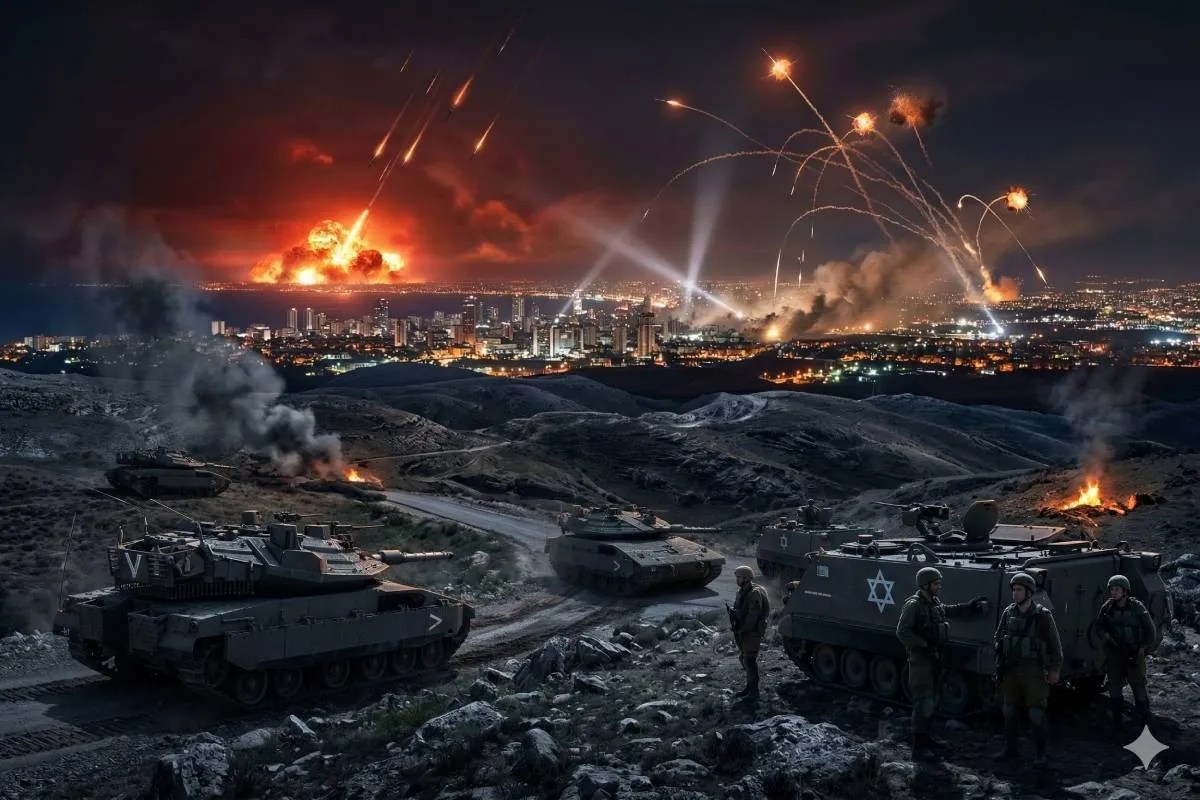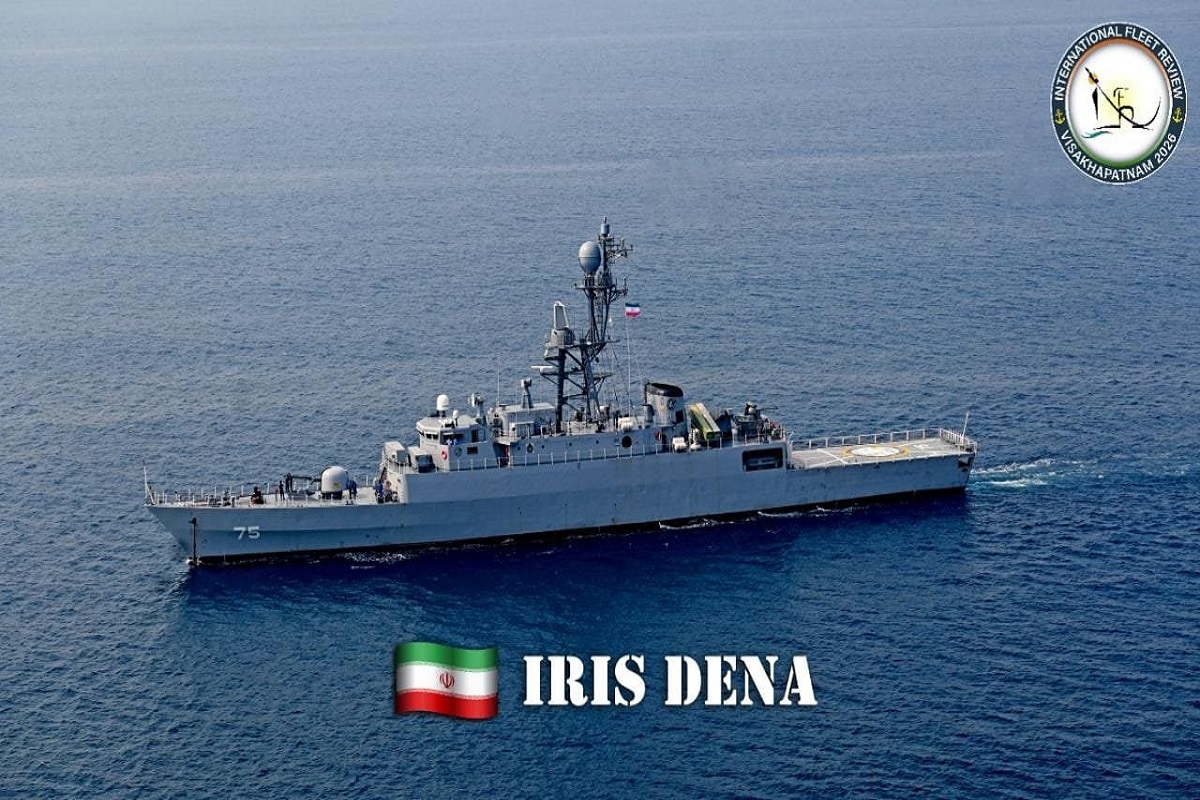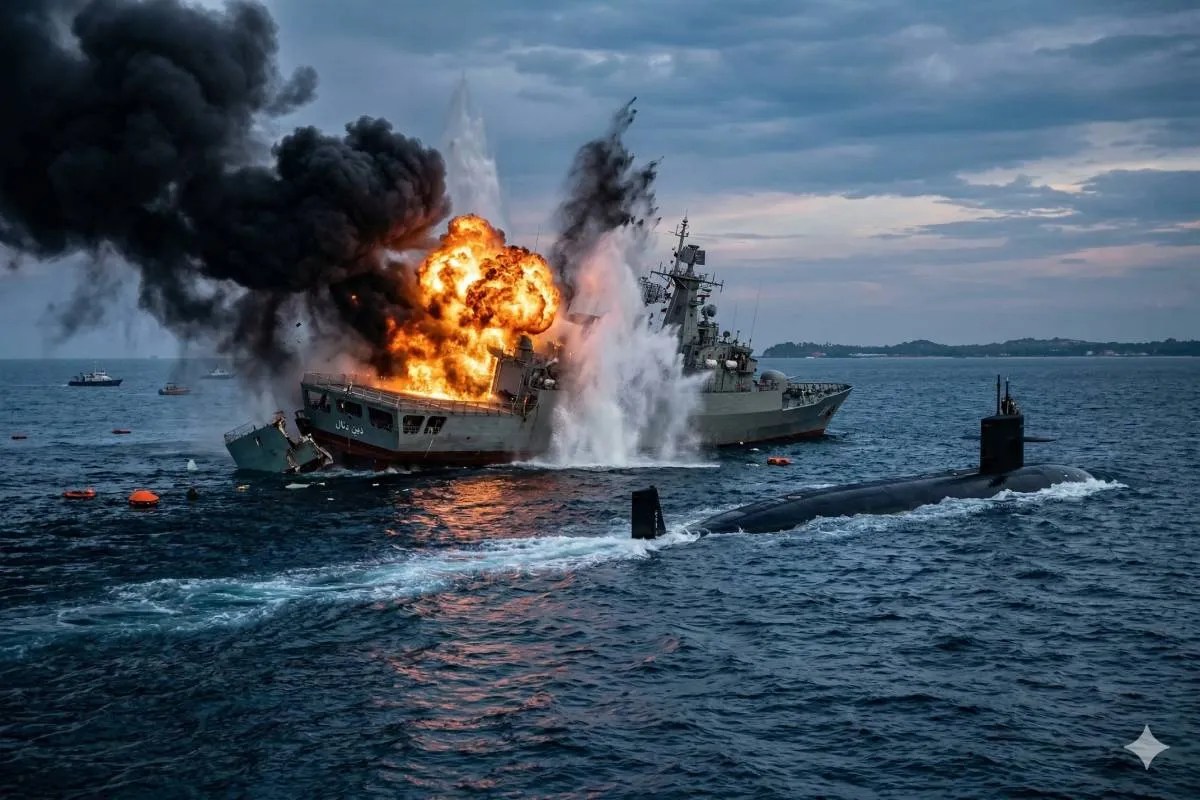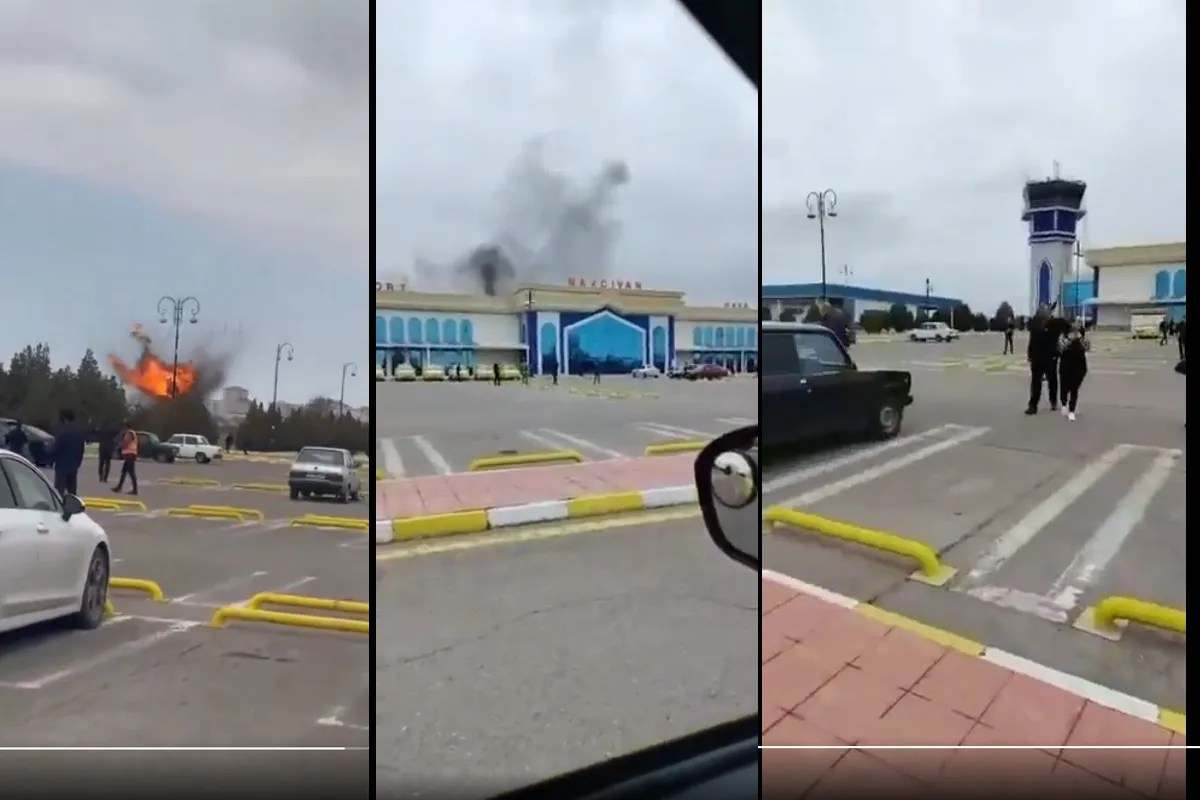
Geopolitics is currently suffering from a severe case of "headline rot." When news breaks about Azerbaijani forces and Iranian drones targeting airports, the mainstream media reflexively reaches for the 1980s playbook. They talk about "revenge," "sovereignty," and "border disputes." They are wrong. They are looking at a physical map while the real war is being fought on a digital and logistical layer that most analysts couldn't find with a flashlight.
The "lazy consensus" suggests this is a localized flare-up between two neighbors who don't like each other. That is a comforting lie. What we are actually seeing is the violent birth of a new global trade architecture where traditional borders are becoming secondary to "data-corridors" and "energy-bypass" routes.
The Drone Fallacy
Every time a Shahed or a localized equivalent hits a runway, the press treats it like a tactical victory. It’s not. In the modern theater, the drone is the cheapest distraction in the arsenal.
When an "Iranian drone" targets an airport in the Caucasus, the objective isn't to stop planes from taking off. It is to test the response latency of integrated air defense systems (IADS) that are often supplied by third-party powers like Israel or Turkey. We are watching a live-fire beta test.
I’ve seen defense contractors rake in billions by selling the idea of a "hard perimeter." The truth? There is no such thing. If you can build a drone for $20,000 that forces your opponent to fire a $2 million interceptor, you aren't fighting a war of territory. You are fighting a war of attrition on their central bank.
The Myth of the "Revenge" Narrative
Governments love the word "revenge." It plays well to domestic audiences and masks the cold, clinical reality of statecraft. When the Azerbaijani government issues a "warning of retaliation," they aren't emotional. They are calculating the exact moment the "Zangezur Corridor" becomes viable.
This isn't about an airport. It’s about the International North-South Transport Corridor (INSTC) and the rival projects that seek to bypass Iran or lock Azerbaijan out of the Caspian energy boom.
- Fact: Azerbaijan has pivoted from being a regional player to a global energy lynchpin for Europe.
- Fact: Iran is terrified of being bypassed by a rail line that connects Turkey directly to Central Asia via Azerbaijan.
- The Nuance: This conflict is a "logistics war" dressed up in the camouflage of an ethnic or territorial dispute.
Stop Asking if War is Coming
The most common question people ask is, "Will this lead to a full-scale invasion?" This is the wrong question.
In the 21st century, "full-scale invasion" is a legacy term. It’s expensive, it’s messy, and it’s bad for the stock market. Instead, we have "Grey Zone" dominance. You don't need to occupy a city if you can disable its power grid with a localized strike or manipulate its currency through a series of tactical "border skirmishes" that spook investors.
I’ve watched analysts miss the mark for decades because they wait for tanks to cross a line. By the time the tanks move, the war has already been won or lost in the electromagnetic spectrum and the commodities market.
The Israeli-Turkish-Iranian Triangle
The competitor’s article likely ignores the ghost in the room: Jerusalem. Azerbaijan is one of the world's largest consumers of Israeli defense tech. In return, they provide a strategic listening post on Iran's doorstep.
When you see a drone strike, don't look at the debris. Look at the telemetry.
- Who tracked the drone?
- How long did it take to acquire the target?
- Did the electronic warfare (EW) suite jam the signal or let it through to study the frequency?
Iran isn't just "attacking." They are probing the most sophisticated EW environment on the planet. They are learning how to defeat the systems that protect Western interests. Azerbaijan is the laboratory.
The Brutal Reality of "Border Sovereignty"
We need to stop pretending that borders in the Caucasus are fixed. They are fluid lines drawn by empires that no longer exist (the USSR and the Qajars).
The status quo is a fiction. Azerbaijan’s recent military successes haven't just regained territory; they’ve rewritten the geography of the Silk Road. If you are an investor or a policy-maker relying on maps from five years ago, you are already bankrupt.
The danger of the "contrarian" take is that it admits we are in a state of permanent volatility. There is no "peace" at the end of this. There is only a recalibration of power.
The Logistics of Chaos
Imagine a scenario where the airport isn't the target, but the insurance premiums are. By making a region "unstable" via low-cost drone strikes, you drive up the cost of shipping and transit.
If Iran can make the Azerbaijani route "high risk," the transit traffic shifts back to Iranian controlled routes. This is a boardroom battle fought with high explosives. It’s cynical, it’s effective, and it’s exactly why your standard news report is useless.
Why Diplomacy is an Obstacle
We are conditioned to think that "talks" and "de-escalation" are the goal. In reality, diplomacy is often used as a smokescreen to re-arm. Every time a "ceasefire" is signed in this region, look at the satellite imagery. You’ll see new fortifications being built and new drone hubs being established.
The "experts" telling you that a deal is around the corner are the same ones who said the 2020 Karabakh war would last for years. It lasted weeks because they didn't understand the technological disparity.
The High Cost of Being "Right"
The downside to this perspective? It’s grim. It suggests that the skirmishes won't stop because they are too useful for the participants.
- For Azerbaijan: It justifies a massive military budget and a tightening of internal security.
- For Iran: It serves as a necessary projection of force to keep its domestic population focused outward.
- For the West: It provides a proxy battleground to test weapons against Iranian tech without losing a single soldier.
Stop reading the headlines about "revenge." Start following the money, the pipelines, and the frequency hops. The airport is just a piece of asphalt. The real war is for the infrastructure of the next century.
If you’re still waiting for a formal declaration of war, you’ve already missed the opening act. The conflict isn't starting; it’s being optimized.
Burn your old maps.
The new ones are being drawn in real-time by the flight paths of loitering munitions.
Would you like me to map out the specific energy pipeline vulnerabilities that these drone strikes are actually targeting?