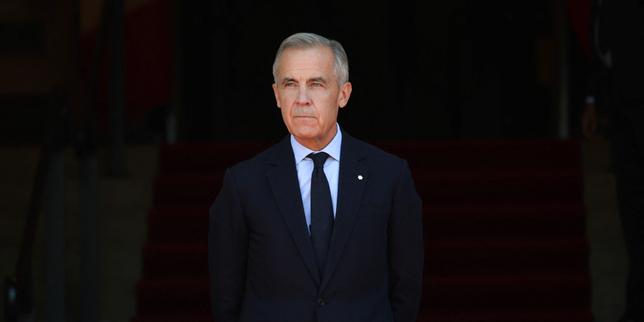
Canadian politics just flipped upside down, and the opposition parties are scrambling to figure out what hit them. Prime Minister Mark Carney is pulling off a massive political dominance act, leaving his rivals struggling to find their footing. When approval ratings hover comfortably past sixty percent while your chief competitor bleeds support, you aren't just winning—you're entirely redefining the room.
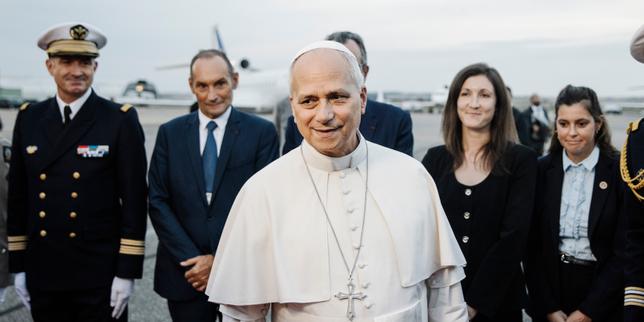
So, what is actually happening on Ottawa's front lines? Let's break down why Carney's current surge is choking out traditional opposition strategies and what it means for the country's political layout. Recently making waves lately: Why Pope Leo XIV Is Warning Europe Against Closing In On Itself.
The Approval Gap That Stunns Westminster Watchers
Numbers rarely tell the entire story, but right now, they scream it. Recent tracking data shows Carney pulling robust approval numbers, often sitting comfortably above sixty percent, while opposition leader Pierre Poilievre faces deep-seated headwinds and a majority unfavourable impression among voters.
Why are Canadians leaning this way? Look at the calendar and the headlines. Economic anxiety paired with volatile cross-border trade tensions has turned voters toward perceived stability and institutional competence. Carney leans heavily on his central banking background, projecting a calm, technocratic authority. When voters look south and worry about protectionist shocks or sudden tariff threats, they want a crisis manager at the wheel. Poilievre's classic populist playbook—which spent years hammering away at the previous Liberal administration—is failing to pivot effectively against a fresh face who handles international trade summits with practiced ease. More details into this topic are detailed by TIME.
The Trap of Fighting Yesterday’s Battles
Opposition parties love fighting the last war. It is an old political habit. Conservatives in Ottawa spent years building an entire identity around opposition to Justin Trudeau. They perfected slogans, campaign merchandise, and attack ads designed for a specific political personality.
When Carney stepped into the leadership role, the opposition didn't change weapons fast enough. Continuing to treat the government as if nothing changed leaves critics sounding out of touch. Carney isn't Trudeau, and treating him as an exact clone fails to address his distinct policy positioning or his aggressive maneuvers on global trade diversification. Voters notice when an opposition party looks stuck in a loop. If your main critique is a recycled catchphrase that doesn't match the current prime minister's resume, you lose credibility instantly.
Navigating Trade Strain and International Assertiveness
A major driver behind Carney's grip on the political narrative is how he handles external shocks. Trade relations with the United States remain tense, marked by persistent auto tariffs and unpredictable policy shifts from Washington.
Instead of hiding from these pressures, Carney has turned them into a test of national sovereignty. By openly discussing strategic pivots toward Asian and European markets—and even hinting at alternative automotive partnerships if American talks stall—he projects a posture of independent resilience. This foreign policy posture plays well with Canadians who want a leader standing firm. The opposition finds itself boxed into a corner: criticizing a government standing up for national economic interests looks unpatriotic, while supporting it robs the critics of airtime.
The Regional Fault Lines
Political dominance nationally doesn't mean uniform agreement across every province. Regional friction remains intense. Recent provincial shifts, such as the rise of a sovereigntist government in Quebec and complex dynamics in Western Canada, mean Carney has to walk a tightrope.
Meetings with provincial leaders—like his recent engagement with Quebec Premier Paul St-Pierre Plamondon at the Francophonie summit—highlight the friction points over healthcare transfers, immigration caps, and federal jurisdiction. Yet, even amid these policy disagreements, Carney manages to frame himself as the central adult in the room. The regional opposition parties must constantly prove they can deliver tangible regional benefits without looking petty compared to federal crisis management.
Where the Opposition Goes From Here
If conservative and left-leaning challengers want to claw their way back, they need to stop reacting and start building. Complaining about government spending or housing crunches rings hollow unless paired with hyper-specific, realistic alternatives that voters can actually visualize.
Carney's dominance isn't an unshakeable law of nature. Persistent cost-of-living pressures, housing affordability, and healthcare strain remain ticking clocks for any administration. If the federal government fails to deliver on ground-level domestic metrics, those high approval ratings will start to crack. But until the opposition drops the outdated attack tracks and offers a credible, grown-up governing alternative, Canada's political landscape will remain firmly under Carney's thumb.