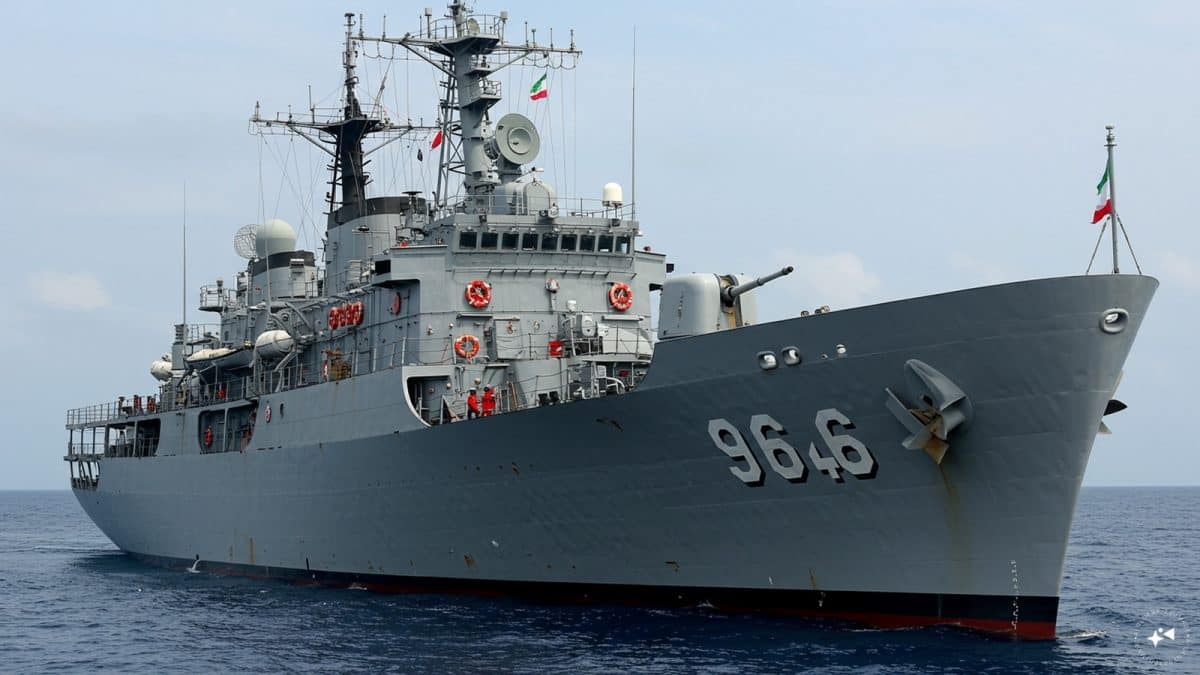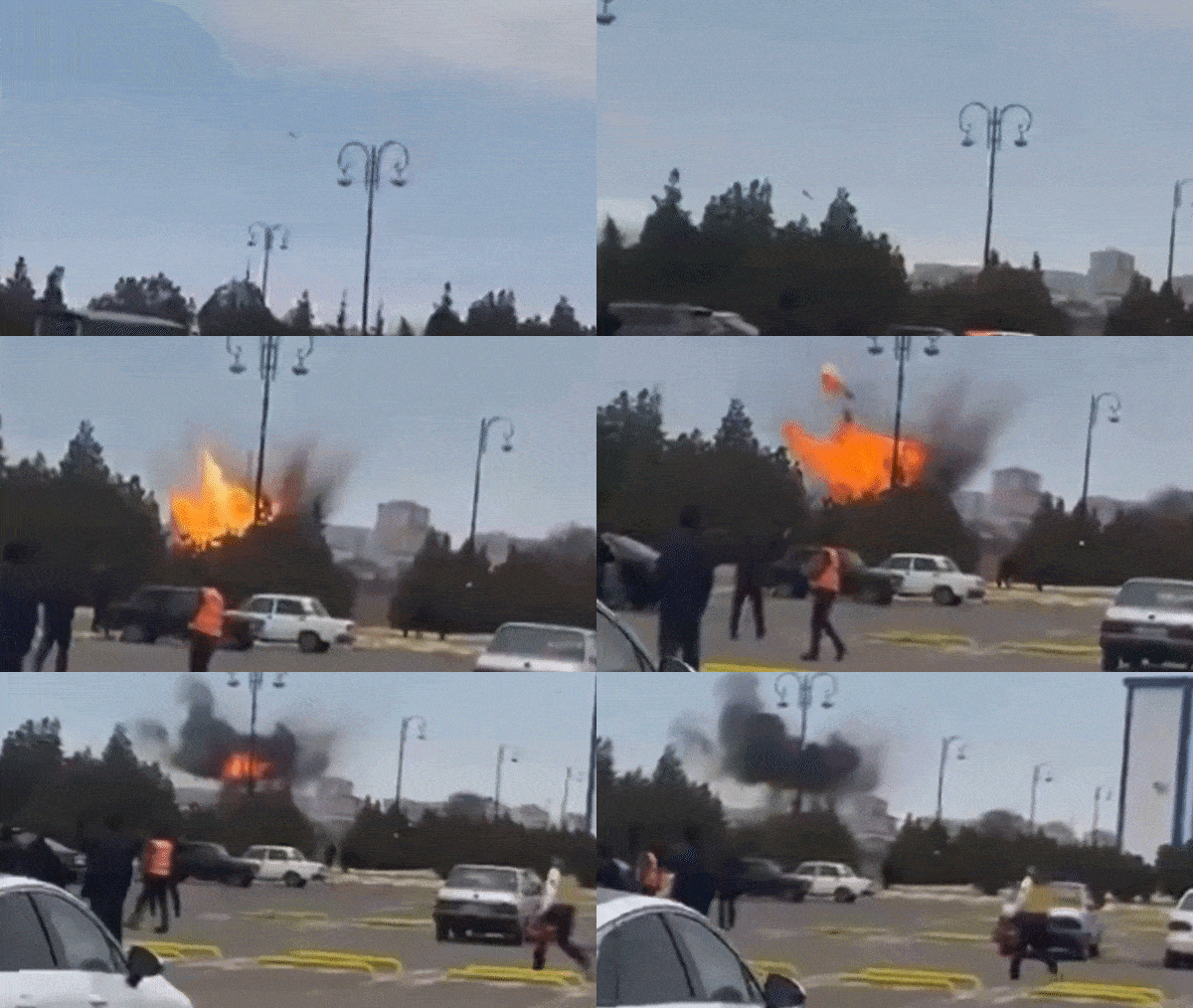
The idea that what happens in Gaza or Southern Lebanon stays in the Middle East is officially dead. We've seen it before, but the current escalation feels different because the geographical "splash zone" is hitting areas that used to be considered safe or neutral. When a drone strike hits a merchant ship in the Indian Ocean or a targeted assassination occurs in a European capital, the narrative shifts from a regional skirmish to a global security crisis.
You've probably noticed the headlines. Terms like "groundless act of terror" get thrown around by diplomats every time a new border is crossed. But the reality is more calculated than that. We're witnessing a deliberate expansion of the theater of war, where non-state actors and major powers use global logistics and international waters as their new front lines.
The Indian Ocean is the New Front Line
Shipping lanes are the world's jugular vein. If you choke them, the whole world feels the pressure at the gas pump and the grocery store. Recently, the targeting of commercial vessels far from the Red Sea has sent shockwaves through the maritime industry. This isn't just about local rebels anymore. It's about sophisticated long-range weaponry being used to signal that no corner of the ocean is off-limits.
Take the recent strikes on tankers. These aren't random. They're precise. When a "suicide drone" travels hundreds of miles to hit a specific engine room, it's a message. The message is simple: if you support one side, your economy is a target. This forced the U.S. and its allies to launch Operation Prosperity Guardian, but even a multi-national naval task force struggles to patrol every square mile of the Indian Ocean.
Companies like Maersk and Hapag-Lloyd have had to make a choice. They can risk the lives of their crews and their cargo, or they can take the long way around Africa. That adds ten days to a trip. It burns more fuel. It spikes insurance premiums. You're paying for this conflict every time you buy something that came on a ship.
Sovereignty is Becoming a Suggestion
We used to have rules about borders. Now, those rules look more like suggestions. We’ve seen strikes in Iran, Lebanon, and Syria that don't just target military outposts but strike at the heart of urban centers. When a nation-state decides to eliminate a target in another country's capital, they're betting that the international community is too tired or too divided to do anything about it.
The rhetoric has reached a boiling point. Government officials call these "groundless acts of aggression," while the other side claims "legitimate defense." Honestly, the terminology doesn't matter as much as the precedent. If it's okay to strike a consulate or a private residence in a foreign city today, it’ll be the norm tomorrow. This erosion of sovereignty is exactly how a regional fire turns into a global conflagration.
The Role of Proxy Networks
It’s a mistake to think this is just two countries fighting. It’s a web. You have the "Axis of Resistance" on one side, funded and coordinated across multiple borders. On the other, you have a network of intelligence sharing and military support that spans from Washington to Tel Aviv.
- Hezbollah in Lebanon acts as a massive deterrent.
- The Houthis in Yemen control the flow of global trade.
- Militias in Iraq and Syria keep Western forces pinned down.
These groups don't operate in a vacuum. They're the fingers of a much larger hand. When one finger moves, the whole hand is involved. This makes "de-escalation" almost impossible because there are too many players with different agendas.
Digital Warfare and the Spread of Unrest
The war isn't just on the ground or at sea. It's in your feed. We’re seeing a massive spike in cyberattacks targeting critical infrastructure far away from the actual combat. Hospitals in Europe and water treatment plants in the U.S. have been hit by groups claiming to act in solidarity with one side or the other.
This is the "invisible" spread of war. It creates a sense of vulnerability that transcends geography. You don't have to be near a missile to feel the effects of the conflict. If your bank's app goes down or your power grid glitches because of a state-sponsored hack, the war has reached you.
Beyond the digital hits, we’re seeing social fragmentation. Protests in London, Paris, and New York are becoming more frequent and more intense. This isn't just "foreign news" anymore. It's a domestic policy nightmare for Western leaders who are trying to balance free speech with public safety. The polarization is real, and it's being fueled by sophisticated disinformation campaigns designed to keep us at each other's throats.
Why Traditional Diplomacy is Failing
The old playbook says you bring everyone to a table, draw some lines on a map, and sign a treaty. That doesn't work here. The parties involved don't all recognize each other’s right to exist. How do you negotiate with a group that views your total destruction as its primary goal? Or a state that sees any compromise as an existential threat?
International bodies like the UN are essentially paralyzed. The veto power in the Security Council means that for every resolution proposed, there’s someone ready to kill it. This creates a power vacuum. And as we know, nature—and politics—abhors a vacuum. Into that space steps more violence, more "acts of terror," and more aggressive expansion.
The Economic Fallout No One Wants to Face
Let's talk numbers. The World Bank has already warned that a major escalation could send oil prices into the triple digits. We're not just talking about $100 a barrel; some analysts fear $150 if the Strait of Hormuz is ever fully blocked.
- Energy Prices: Higher costs for heating and transport.
- Supply Chain Delays: Electronics and car parts sitting on ships in the Atlantic.
- Inflation: Central banks might have to keep interest rates high to combat the rising costs of goods.
This isn't theory. It's happened before, and the global economy is much more fragile now than it was in the 1970s. We're still recovering from a global pandemic and dealing with the fallout of the war in Ukraine. A third major shock could be the tipping point.
What You Should Actually Watch
Forget the grand speeches at the UN. If you want to know where this is going, watch the insurance markets for shipping. Watch the movement of aircraft carrier strike groups. Most importantly, watch the "secondary" theaters like Cyprus or the Red Sea.
If Cyprus gets dragged in—which has been threatened—then a EU member state is suddenly involved. That triggers a whole different set of treaties and obligations. If the Red Sea remains a no-go zone for another six months, expect a permanent shift in how global trade is structured.
The "groundless acts" are often very grounded in a specific strategy. The goal is to make the status quo so painful and so expensive for the rest of the world that they eventually force a settlement. But the risk is that the fire gets too big to put out.
Don't wait for a formal declaration of "World War III" to start paying attention. The spread of conflict outside the Middle East is already happening in bits and pieces—a drone here, a hack there, a price hike at the pump. Stay informed by looking at multi-source intelligence reports and following maritime tracking data. Diversify your understanding by looking at how non-Western media covers these same events. It's the only way to see the full picture.
Next Step: Check the current Brent Crude oil prices and compare them to the monthly average to see if the market is already pricing in a wider conflict. If you're a business owner, review your supply chain for dependencies on Suez Canal transit.