Another military aircraft goes down. Another routine flight ends in disaster.
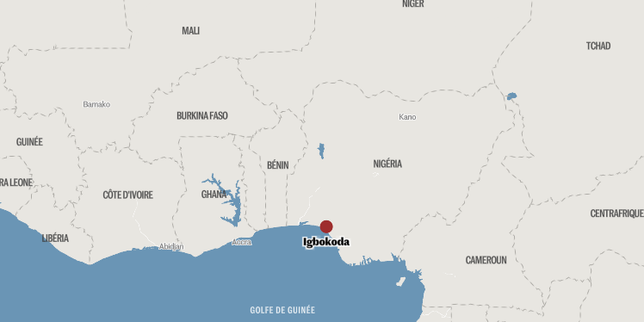
When a Nigerian Air Force transport plane carrying thirty-two people crashed in the southern region of the country, it wasn't just an isolated tragedy. It exposed a recurring nightmare that aviation experts, military families, and citizens have watched unfold for years.
You hear the numbers, you see the brief statements from defense spokespersons, and then the news cycle moves on. But the questions don't go away. Why are military aircraft failing so often in a nation facing persistent security threats? What does this mean for the troops relying on air support?
Let's look past the press releases and break down what actually happens when military aviation safety crumbles in West Africa.
The Reality of Aging Fleets and Heavy Operations
Maintenance is boring until it kills someone. That's the uncomfortable truth behind military logistics across developing nations.
When you
When Military Aircraft Go Down in Nigeria and Why Safety Keeps Failing
news
Tragedy struck the Nigerian military again when an air force aircraft crashed in the southern part of the country carrying 32 people on board. Accidents like this force a brutal conversation about aviation safety, maintenance culture, and operational readiness within West Africa's biggest military force. You're looking at a recurring nightmare that demands real answers instead of the usual bureaucratic silence.
The Cost of Operational Strain
Flying military transport and combat missions across hostile terrain isn't easy. Nigeria faces constant security threats on multiple fronts, forcing its air assets to fly punishing schedules. When planes stay in the air constantly without proper downtime, maintenance suffers. Mechanics face parts shortages and endless pressure to keep aging fleets operational.
Safety margins shrink fast when you push machines past their limits. It's a harsh reality that military leaders rarely admit publicly. Crews fly missions knowing the risks because the operational demands leave them no choice.
Understanding the Aviation Record
This isn't an isolated incident. Over the past decade, the Nigerian Air Force has lost several aircraft to crashes, technical failures, and adverse weather conditions. Each crash triggers a familiar cycle:
- Immediate grounding of the fleet for checks
- High-level promises of thorough investigations
- Vague reports released months later blaming technical faults or weather
- Business as usual until the next tragedy occurs
Families of service members bear the ultimate cost of these systemic failures. They deserve transparency, accountability, and a complete overhaul of how military aviation is managed in the country.
What Needs to Change Right Now
Throwing more money at procurement won't fix a broken maintenance culture. The military needs rigorous safety audits conducted by independent international experts. Pilots and ground crews need the power to ground unsafe aircraft without fear of military discipline. Transparency has to replace the culture of secrecy surrounding defense accidents.
Until real structural changes happen, brave service members will keep paying with their lives for a system that refuses to fix its core flaws.