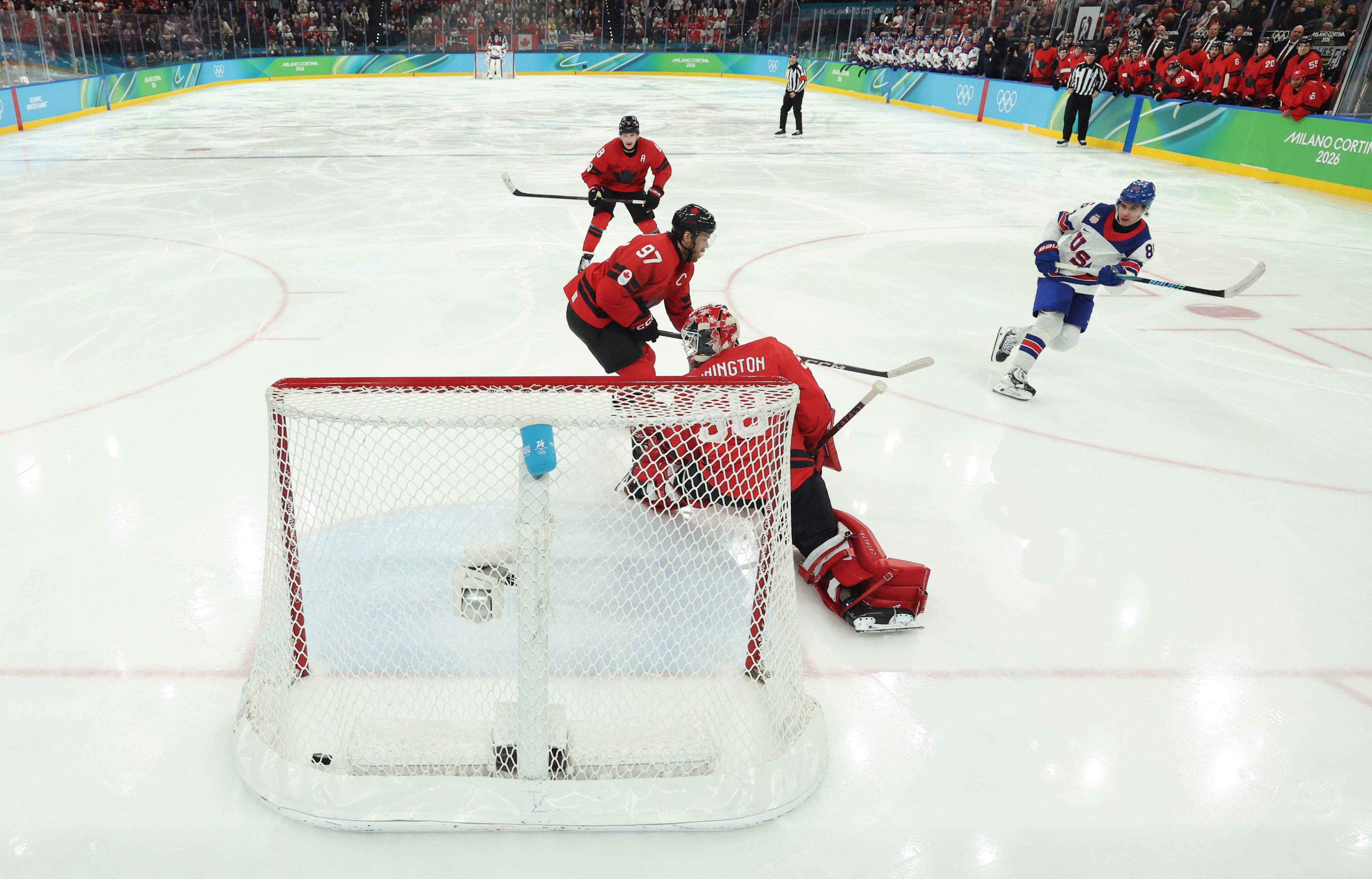
The Hockey Hall of Fame in Toronto rarely acts on impulse. Its curators are the gatekeepers of a frozen history, and their recent acquisition of the pucks from the United States’ gold medal victories is more than a simple addition to a display case. It is a calculated move to anchor the legacy of American international dominance within a Canadian-based institution. By securing the physical artifacts of these victories—specifically from the 1960 and 1980 Olympic runs—the Hall is asserting its role as the global steward of the game, even when that history was written by its fiercest rivals.
When the final buzzer sounded at Lake Placid in 1980, the puck was just a piece of vulcanized rubber. Today, it is a high-stakes asset in a memorabilia market that has seen values skyrocket. The decision to move these items into a permanent collection marks the end of a long journey for objects that often spent decades in private hands, gym bags, or desk drawers. It also raises a fundamental question about who truly owns the history of a sport that is increasingly defined by its international reach rather than its North American roots.
The Physical Weight of the Miracle
Memorabilia is often a game of shadows. For years, the whereabouts of specific pucks from the 1960 Squaw Valley games and the 1980 "Miracle on Ice" were subject to the kind of locker-room myths that drive collectors mad. The Hall of Fame’s confirmation that these pieces are now part of its permanent collection provides a rare moment of clarity. These are not replicas. They are the tangible proof of moments that shifted the geopolitical weight of the sport.
In 1960, the U.S. team’s victory was a shock to a system dominated by the Soviets and the Canadians. That win set the stage for the 1980 explosion of interest in American hockey. By bringing these pucks together, the Hall is creating a narrative thread of American persistence. For the analyst, this isn't just about nostalgia. It is about the institutionalization of the "American Moment." When an item enters a permanent collection, it is effectively removed from the speculative market. It becomes public trust.
The process of authentication for these pucks is grueling. It involves a mix of photographic evidence, chain of custody affidavits, and sometimes even forensic analysis of the scuff marks on the rubber. A puck used in a gold medal game isn't just a souvenir; it is a document. The Hall's willingness to stake its reputation on these specific items suggests a level of certainty that is hard to come by in the volatile world of sports collectibles.
The Architecture of a Global Museum
There is an inherent tension in the Hockey Hall of Fame’s existence. It is located in Toronto, the heartbeat of Canadian hockey, yet it must serve as the definitive home for a sport played in Helsinki, Moscow, and Minneapolis. By aggressively pursuing and displaying American gold medal artifacts, the Hall is attempting to bridge this gap.
This isn't just about being inclusive. It is about survival. As the NHL continues to expand its footprint and European leagues gain more visibility, a museum that only celebrates the Maple Leafs and the Canadiens would quickly become a local curiosity rather than an international destination. The acquisition of the U.S. gold medal pucks is a strategic play to ensure that American fans feel their history is housed—and respected—within these walls.
The logistics of these displays are often overlooked. A puck is a small, black object. It is difficult to display effectively. The Hall uses specialized lighting and contextual staging to turn a three-inch disc into a centerpiece. They are moving away from the "wall of stuff" approach and toward a curated experience that explains the "why" behind the object. For the 1980 puck, that means situating it within the broader Cold War context, making it clear to a twenty-year-old visitor why this specific piece of rubber matters more than the thousands of others produced that year.
Private Collectors and the Public Good
The tension between private ownership and public display is the primary engine of the sports memorabilia industry. For decades, many of the most important items in hockey history were held by former players or wealthy enthusiasts. When an item is in a private basement, it is at risk. It can be lost, damaged, or sold off to the highest bidder in a secret transaction.
The Hall’s move to make these pucks part of the permanent collection is a victory for the preservationists. A permanent collection status means the museum has no intention of ever selling the items. They are held in perpetuity. This is a significant commitment, as it requires ongoing costs for climate control, security, and insurance.
The Cost of Preservation
- Climate Control: Rubber degrades over time if exposed to fluctuating humidity.
- Security: High-profile artifacts require 24/7 monitoring and specialized display cases.
- Provenance Research: Ongoing work to document the history of the item.
For the donor or the seller, handing these items over to the Hall is often a matter of legacy. They want the world to see what they have held onto for so long. However, there is also a financial reality. The tax implications of donating high-value artifacts to a non-profit institution like the Hall can be substantial, often providing a more stable financial outcome than an unpredictable public auction.
The Myth of the Neutral Archive
We like to think of museums as neutral observers, but they are active participants in how we remember the past. By choosing which pucks to display and which to keep in storage, the Hall of Fame is editing the history of hockey. The focus on American gold medals reflects the current market reality: the U.S. is the largest growth engine for the sport.
There is a counter-argument to be made that these pucks belong in the United States, perhaps at the U.S. Hockey Hall of Fame in Eveleth, Minnesota, or the Smithsonian. The fact that they are in Toronto speaks to the sheer gravity of the Hockey Hall of Fame’s brand. It is the "Big One." For an artifact to be truly "canonized," it has to go to Toronto. This creates a feedback loop where the most important items go to the most important museum, further cementing its status at the expense of regional institutions.
This centralization of history has risks. If a single institution holds all the "holy grails" of the sport, the narrative becomes homogenized. We see the version of history that the curators in Toronto want us to see. While their expertise is beyond reproach, their perspective is inevitably shaped by their environment.
Beyond the Miracle
While the 1980 puck gets the headlines, the 1960 puck is arguably more important to the serious hockey historian. The 1960 team was a true underdog story, occurring before the era of massive television contracts and global superstars. Those players were amateurs in the truest sense of the word. The puck from that gold medal game represents a purity of competition that is increasingly rare in the modern, highly commercialized world of professional sports.
The Hall’s decision to elevate these items now is also a nod to the aging demographic of the fans who remember these games. As the generation that watched the "Miracle on Ice" live begins to age, the Hall needs to secure these artifacts before they are lost in estate battles or buried in forgotten storage units. It is a race against time.
The pucks also serve as a reminder of the evolving nature of the game itself. The pucks used in 1960 were different in composition and feel than those used in 1980, which are different still from the high-tech versions used today. To a player, these changes are minute, but to a historian, they represent the industrial evolution of the sport. The scuffs and chips on a gold medal puck are the scars of a battle, each one representing a blocked shot or a desperate clear.
The Future of the Artifact
In an era of digital highlights and NFT collectibles, the physical object still holds a unique power. You cannot stand in front of a digital file and feel the weight of history. The Hockey Hall of Fame is betting that the physical puck—the actual object that crossed the goal line—will remain the ultimate draw for fans.
This strategy seems sound. The more our lives become digitized, the more we crave the "real." The U.S. gold medal pucks are the ultimate "real" objects in hockey. They are the physical manifestations of national pride and athletic achievement. By placing them in a permanent collection, the Hall is ensuring that as long as people care about hockey, they will have a place to go to see the evidence of its greatest moments.
The next challenge for the Hall will be navigating the international waters of the modern game. As nations like Germany, Switzerland, and even China begin to make their mark on the international stage, the Hall will need to be just as aggressive in pursuing their artifacts as they have been with American and Canadian ones. The goal is a truly global archive, one that reflects the chaotic, beautiful, and ever-expanding world of hockey.
The pucks are now under glass. They are safe, they are authenticated, and they are part of a larger story that transcends borders. They remind us that while the game is played on ice, the history is written in rubber and steel, and it belongs to everyone who has ever laced up a pair of skates.
Track the next major acquisition by the Hall of Fame to see if they continue this trend of international diversification.