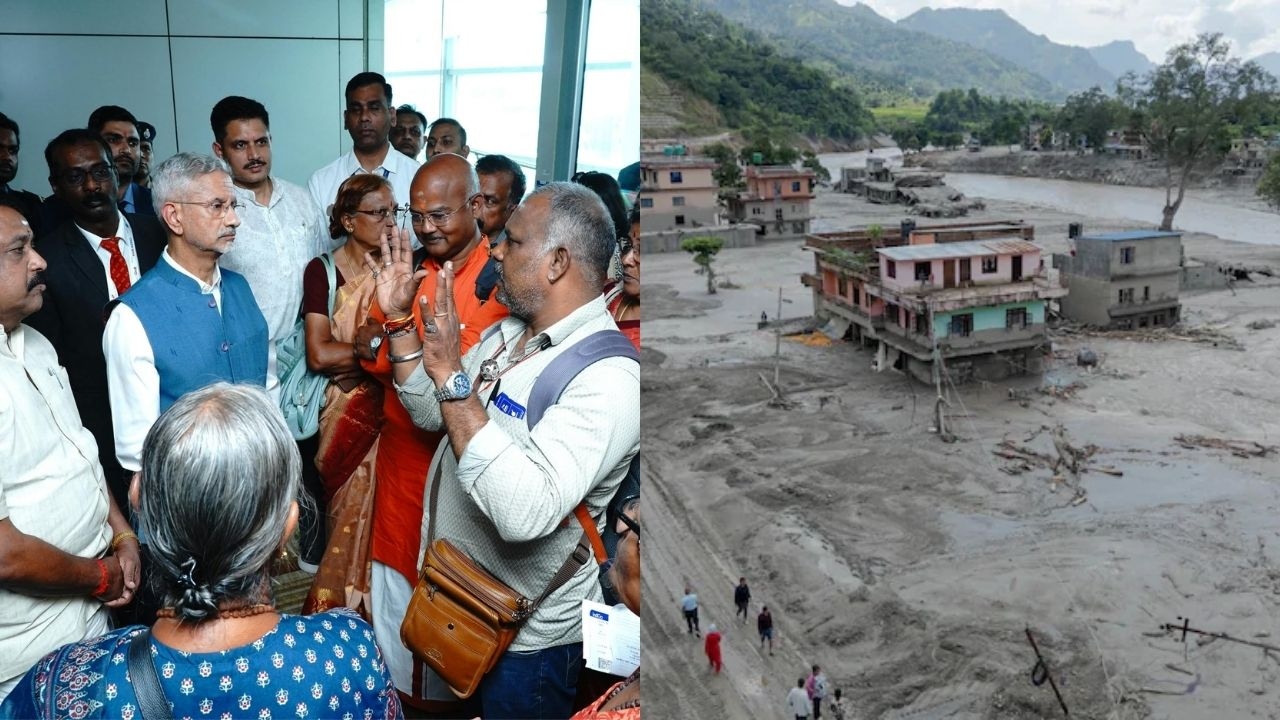
Twenty-one pilgrims from Tamil Nadu discovered that holy mountain trails offer zero insulation from bureaucratic collapse when seasonal weather turns lethal. Their recent repatriation back to southern India reads like a standard survival narrative on the surface. Heavy rain, blocked roads, stranded buses, rising panic. Look past the initial dispatches, however, and a darker structural reality emerges. Foreign religious tourism in the Himalayas operates within an administrative vacuum where commercial tour operators pocket rising margins while cutting corners on emergency infrastructure.
Travel insurance loopholes, uncoordinated cross-border rescue protocols, and a total lack of localized real-time tracking leave thousands of civilian travelers exposed every year. When the skies open up over high-altitude passes, passengers are left to barter for basic provisions while consulates issue generic advisories from comfortable office chairs hundreds of miles away. In related developments, read about: When the River Claims the Valley And One House Refuses to Fall.
The Anatomy of a High-Altitude Breakdown
Modern religious tourism has scaled into a massive industrial engine. Pilgrims from tier-two and tier-three cities across southern India now board long-haul flights and charter cross-country buses with unprecedented frequency. They chase spiritual redemption at ancient shrines tucked deep inside rugged Himalayan valleys. The agencies organizing these packages market spiritual peace of mind. They rarely market the logistics of survival.
Infrastructure along major transit corridors in Nepal remains fragile. Single-lane mountain highways carved into unstable shale get washed out by sudden cloudbursts with predictable regularity. Yet, operators continue to dispatch overloaded coaches without checking regional meteorological updates or verifying whether local rescue networks are operational. NBC News has provided coverage on this critical topic in great detail.
When the convoy carrying the Tamil Nadu group stalled near remote checkpoints, communication infrastructure vanished instantly. Cellular towers lacked backup generators. Local authorities possessed neither the heavy machinery required to clear massive landslides nor the linguistic capacity to coordinate effectively with non-Nepali-speaking visitors from the southern peninsula.
Passengers spent days eating stale rations purchased at inflated prices from opportunistic roadside vendors. No tour representative remained on-site to manage the crisis. The corporate entities back in Chennai washed their hands of the incident, claiming force majeure while deflecting liability onto local drivers who were equally stranded and destitute.
The Insurance Illusion
Most travelers assume their standard travel health policies cover high-altitude extraction and emergency repatriation. They are wrong. Insurance adjusters exploit obscure policy clauses regarding maximum elevation limits and exclusion zones to deny claims after a disaster occurs.
Commercial policies frequently cap coverage at altitudes far below standard trekking routes or high-altitude religious sites. When a crisis hits, victims discover their policy requires them to pay out of pocket for private helicopter charters or localized transport before any reimbursement can even be processed. Families back home are forced to liquidate assets or borrow from informal lenders at predatory interest rates just to wire cash for basic evacuation fees.
Diplomatic channels offer limited immediate relief. Embassies and high commissions function as bureaucratic clearinghouses rather than rapid-response units. Consular officials issue standard advisories urging citizens to exercise caution, but they rarely command the tactical resources required to airlift stranded civilians out of active disaster zones without protracted inter-agency clearance.
Reforming Cross-Border Pilgrimage Logistics
Fixing this recurring catastrophe requires an overhaul of how regional tourism boards license and monitor long-distance travel operators. State governments must mandate strict liability insurance frameworks that hold parent agencies directly accountable for the safety and extraction of their clients.
Tour operators must be legally required to maintain redundant satellite communication devices and retain certified local fixers who speak regional dialects. Municipal authorities should establish mandatory registration portals for all interstate religious travel groups, ensuring that district disaster management cells possess accurate headcount data before weather alerts turn red.
Until commercial accountability replaces profit-driven negligence, every journey into the high mountains remains a high-stakes gamble with civilian lives serving as the collateral.