A viral video shouldn't surprise anyone anymore. Yet every time students post hate speech online, school districts act like it dropped out of a clear blue sky.
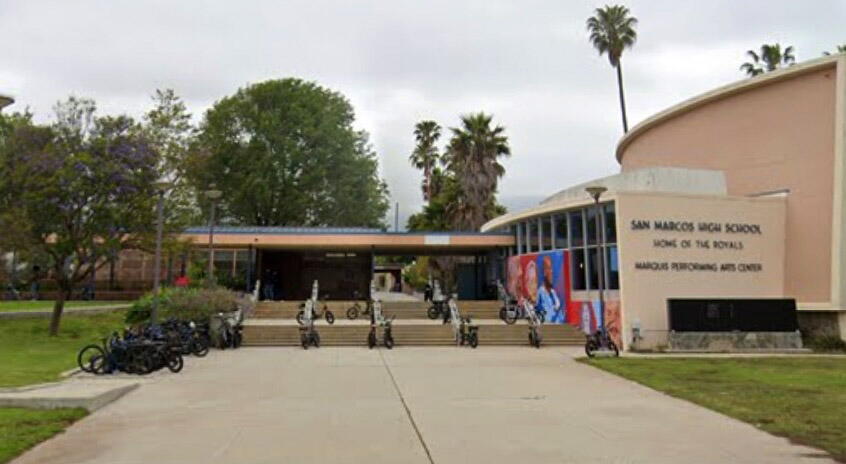
That script played out precisely in the Santa Barbara Unified School District. Four students from San Marcos High School posted a video on TikTok featuring blackface. The backlash was immediate. The local NAACP branch stepped in, demanding deep structural accountability rather than a slap on the wrist. Community members and students packed board meetings, staged walkouts, and asked a blunt question: How many times does this have to happen before the district actually changes?
Let's be honest about what happened. This wasn't just a lapse in teenage judgment. It was a symptom of a systemic failure that schools across the country refuse to fix until the internet forces their hand.
The Illusion Of Isolated Incidents
Administrators love to label racist incidents as isolated events. It protects them. If a hateful video is treated as the rogue action of a few bad apples, the institution bears no blame.
Except it is never just an isolated event.
When the San Marcos High School video hit feeds, it triggered an avalanche of shared frustration from students and families pointing out a wider pattern of unaddressed harassment within Santa Barbara schools. Black and brown students have spoken up for years about microaggressions, racial slurs in hallways, and a general lack of support from faculty who look the other way.
When schools treat racism as an individual discipline problem instead of a cultural epidemic, they fail everyone. Punishing four teenagers with a temporary suspension doesn't clean up the hallways. It just teaches other students to hide their behavior better.
Why Social Media Makes It Worse
We live online. Kids grow up in digital echo chambers where shock value translates to clout. Platforms reward engagement, and nothing drives engagement quite like outrage.
The NAACP correctly pointed out the gravity of digital blackface and modern online racism. Teenagers often treat social apps like a sandbox where consequences don't exist. They record offensive content for temporary laughs, forgetting that the internet remembers everything.
When schools try to address 21st-century bigotry with 20th-century handbooks, they lose. Traditional detention slips won't combat algorithmic radicalization or peer groups trading racist memes on encrypted chats. Educators need to understand the digital ecosystem where these ideas take root. If you don't know where your students are spending their mental energy, you can't protect them from poisoning it.
The Demand For Systemic Change
You cannot punish your way out of a culture problem. That is why the NAACP and local student activists pushed hard for structural overhauls instead of empty apologies.
Real systemic change requires concrete actions:
- Implementing clear, mandatory consequences for hate speech that go beyond a brief stay-at-home suspension.
- Expanding comprehensive ethnic studies and racial justice curriculums so students understand the history and weight of the symbols they misuse.
- Training teachers and administrators to recognize and interrupt microaggressions before they escalate into viral moments.
- Creating transparent reporting channels where students can flag harassment without fear of retaliation or administrative brush-offs.
Without these shifts, school boards are just waiting for the next video to drop.
Where Accountability Starts
Communities are exhausted. Parents are tired of sending their kids to environments where safety is an open question. Students are tired of acting as their own advocates because the adults won't step up.
When districts like Santa Barbara rewrite their hate-motivated conduct policies under public pressure, it is a start. But policies on paper mean nothing if leadership lacks the courage to enforce them when the cameras leave.
Change starts when districts stop prioritizing their public relations over the emotional safety of their students. Until administrators treat bigotry with the same urgency as physical safety threats, viral hate posts will keep rocking high schools nationwide.