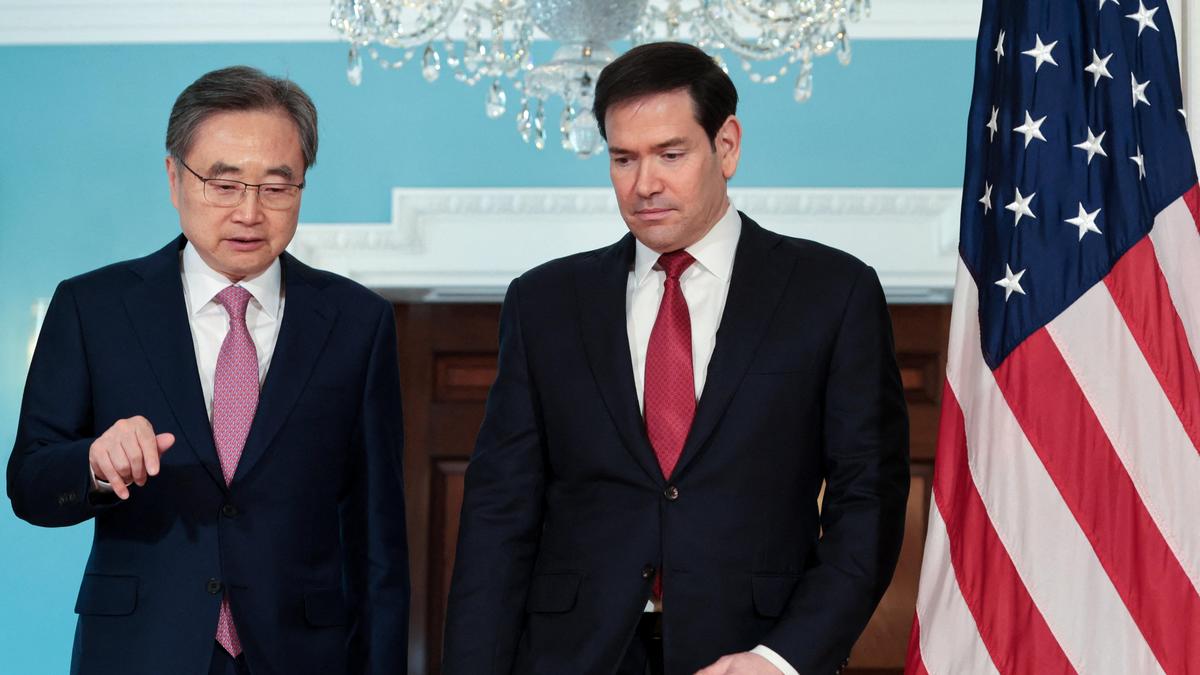
The skies over the Korean Peninsula are getting a little less crowded, and that should make everyone nervous. If you've been following the sudden flurry of activity at Osan Air Base, you've seen the C-17 and C-5 transport planes touching down like clockwork. They aren't there for a routine drill. South Korean Foreign Minister Cho Hyun basically confirmed the worst-kept secret in global defense on March 6, 2026: the U.S. and South Korea are officially talking about moving Patriot missile batteries out of the peninsula and into the direct line of fire in the war against Iran.
This isn't just a logistics shuffle. It's a high-stakes gamble that assumes North Korea will stay quiet while the U.S. pulls its most reliable shield to plug holes in the Middle East. Also making news lately: The Kinetic Deficit Dynamics of Pakistan Afghanistan Cross Border Conflict.
The sudden vacuum in Seoul's air defense
For decades, the 28,500 U.S. troops in South Korea have relied on a "fight tonight" posture. A huge part of that is the Patriot Advanced Capability-3 (PAC-3) system. These aren't just missiles; they're the only thing standing between Seoul's 10 million people and a barrage from Pyongyang. Now, those same batteries are being spotted moving from their usual perches to Osan, the primary jumping-off point for long-haul military transport.
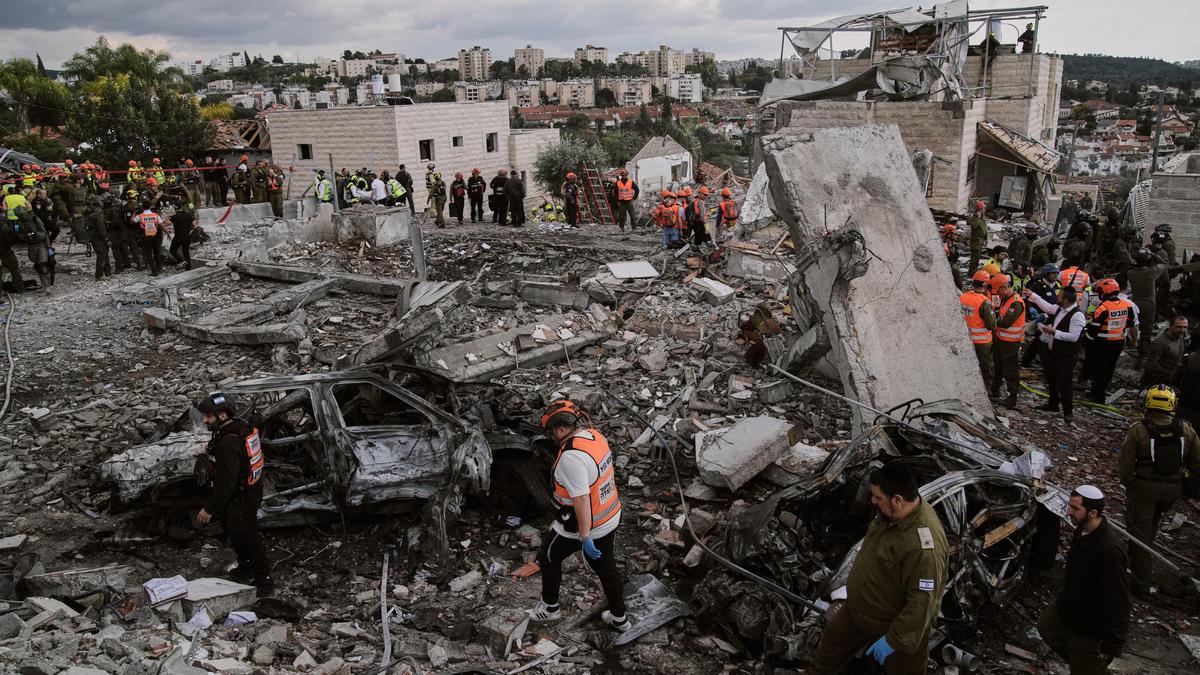
The timing is brutal. U.S. and Israeli forces are currently a week into a campaign targeting Iranian nuclear and ballistic sites. President Trump has signaled this "Operation Epic Fury" could last over a month. But here's the kicker: the U.S. is reportedly running low on interceptors. While Defense Secretary Pete Hegseth claims the stockpile is "extremely strong," the reality of moving assets from one flashpoint to another tells a different story. You don't strip the defense of a nuclear-armed neighbor unless your back is against the wall elsewhere. Additional information into this topic are covered by BBC News.
Why the Middle East is eating Korea's lunch
It’s all about the math of modern warfare. Iran’s ballistic missile arsenal is massive, and the sheer volume of incoming fire during the recent exchanges has forced the U.S. to burn through its interceptor inventory at an alarming rate.
- Operation Midnight Hammer legacy: We saw this play out last year. In June 2025, the U.S. moved three Patriot batteries from Korea to the Middle East. They didn't come back until October.
- The THAAD factor: There’s growing chatter that the Terminal High Altitude Area Defense (THAAD) system in Seongju might be next. Reports suggest up to 150 THAAD missiles were used in earlier skirmishes with Iran. That’s a staggering amount of hardware to replace.
- Strategic Flexibility: This is the phrase the Pentagon uses when they want to move troops wherever they want. Under the current administration, the idea is that U.S. Forces Korea (USFK) isn't just for Korea anymore—it's a regional piggy bank for military assets.
The North Korean elephant in the room
If you're Kim Jong Un, you're watching those cargo planes at Osan with a grin. Every Patriot battery that leaves Gyeonggi Province is a gap in the armor. South Korean officials are clearly stressed. Foreign Minister Cho Hyun had to walk a tightrope during his parliamentary hearing, insisting that the "combined defense posture" remains intact while admitting that consultations on moving the missiles are happening.
The experts aren't convinced. Taking away PAC-3 units leaves South Korean forces to carry the heavy lifting with their own Cheongung-II systems. While those are good, they aren't the battle-hardened U.S. tech that has been the backbone of the alliance for years. If Pyongyang decides to test the perimeter while the U.S. is distracted in Tehran, the "strategic flexibility" might start looking like a strategic blunder.
What happens if the war drags on
Trump predicted a 4-to-5-week window for the Iran operations. History suggests we should take those timelines with a grain of salt. If the conflict extends into the summer, the "temporary" relocation of these missiles could become permanent. We're looking at a fundamental shift in how the U.S. views its commitments in Asia.
The immediate next steps aren't found in a press release. Watch the flight trackers. If more heavy-lift transports arrive at Osan or Gunsan Air Base in the coming days, it’s a signal that the redeployment is in full swing. For anyone living in Seoul or working at Camp Humphreys, the shield just got a lot thinner. You should keep an eye on the official USFK social channels and local Korean news outlets like Yonhap for any "readiness" drills, which are often the cover for moving these heavy assets under the radar.