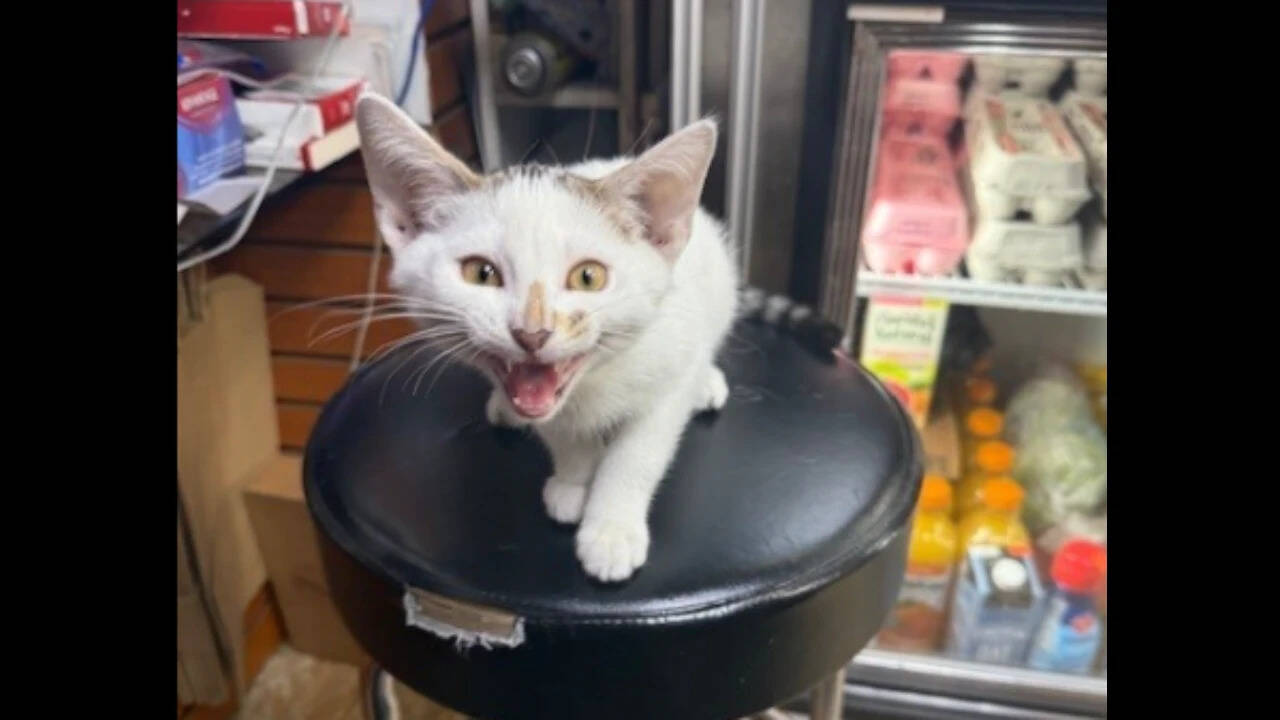
You do not mess with a New York City bodega cat. If you live in the five boroughs, you already know this unwritten rule. These feline residents are working animals, neighborhood mascots, and beloved family members rolled into one. When Jabal, a well-known bodega cat, was snatched straight off the street, it triggered an immediate wave of community panic and anger.
People across the city did not just view this as a minor property theft. They saw it as a direct violation of neighborhood trust. The owner stepped up instantly, offering a five-hundred-dollar no-questions-asked reward to get Jabal back safely. That financial incentive, paired with intense public pressure and surveillance footage, worked. The cat was successfully returned, and a woman is now in custody facing charges for the abduction.
This entire situation lays bare something fascinating about urban culture. It highlights how deeply integrated these cats are into the daily fabric of city life. Let us look at why incidents like this resonate so powerfully and what they reveal about community protection in modern neighborhoods.
The Cultural Significance of the Bodega Cat
Walk into thousands of corner stores across Manhattan, Brooklyn, Queens, the Bronx, and Staten Island. You will likely spot a cat napping on a stack of soda cases or supervising the register. These animals serve a very practical purpose. They keep rodent populations under control in dense urban environments where pests are a constant battle.
Beyond pest control, they create a unique neighborhood bond. Regulars greet them by name. Kids stop by after school just to give them a quick scratch behind the ears. Tourists take photos. They transform a transactional storefront into a warm, lived-in space.
When someone decides to steal a bodega cat, they underestimate this massive social network. You are not just taking an animal from a commercial establishment. You are disrupting a community anchor. That is why the response to Jabal's disappearance was so swift and mercilessly vocal.
The Reality of Pet Theft and Ransom Dynamics
Pet theft is a grim reality in many urban centers. Purebred dogs are often targeted for resale, but even domestic shorthair cats face risks from opportunistic thieves, animal hoarders, or misguided individuals. When a beloved animal goes missing, standard channels like filing a police report can feel slow and frustrating.
This is where unconventional recovery methods come into play. The owner's decision to announce a five-hundred-dollar no-questions-asked reward is a classic strategy born from urgency. When someone wants their animal back immediately, bureaucratic red tape takes a back seat. By removing the immediate threat of legal retribution for the person holding the animal, a no-questions-asked reward creates a frictionless pathway for a safe return.
Of course, this approach walks a fine line. Critics sometimes argue that rewarding thieves incentivizes future thefts. In the heat of the moment, however, a grieving owner cares about one thing only. They want their companion home. In Jabal's case, the strategy worked. The reward announcement circulated rapidly, putting immense pressure on whoever took the cat.
Surveillance and the Power of Public Accountability
We live in a city covered by security cameras. Every storefront, doorbell, and intersection usually records a constant stream of video. When Jabal vanished, security footage likely played a critical role in tracking down the suspect.
Thieves often forget that anonymity is nearly impossible in a modern metropolis. Someone always catches an angle on a smartphone or a security lens. When that footage hits social media platforms, public sleuths mobilize instantly. Local neighborhood groups share updates, post flyers, and keep the story alive until authorities have enough pressure to act.
The woman now in custody learned a hard lesson about modern urban visibility. You cannot snatch a high-profile neighborhood cat in broad daylight and expect to vanish into the crowd. Digital networks ensure that news travels faster than foot traffic.
Practical Lessons for Store Owners and Pet Guardians
Incidents like this serve as a stark wake-up call for anyone who keeps animals in semi-public spaces. While bodega cats love having free reign of the shop and the immediate sidewalk, open doors create vulnerability.
If you manage a storefront with a resident animal, certain precautions make a massive difference.
- Microchipping: Ensure your cat has an up-to-date microchip registered with accurate contact information. If someone tries to surrender the animal to a shelter or vet, the chip proves ownership instantly.
- Camera Coverage: Keep your exterior security cameras angled to cover the immediate sidewalk and entranceway where animals frequently lounge.
- Nighttime Security: Bring outdoor-roaming cats indoors safely once the store closes or foot traffic slows down significantly.
- Clear Identification: Use a visible collar with a tag displaying the store name and phone number so well-meaning strangers or bad actors immediately know the animal belongs to a specific business.
Why We Fight for Our Animals
The story of Jabal ended well because a community refused to stay silent. A stolen cat was returned, a suspect was apprehended, and a bodega returned to its normal rhythm. Yet the incident reminds us how fragile these small-scale community bonds can be.
New Yorkers protect their own. Whether it is a neighbor, a local business, or a four-legged store manager who keeps the mice away, urban life relies on mutual vigilance. When someone crosses that line, the collective pushback is fierce, fast, and unforgettable. Jabal is back where he belongs, sleeping on the job, exactly as a proper bodega cat should.