Geopolitical negotiations between major state actors routinely founder upon supply chain asymmetries, where strategic raw materials function as instruments of macroeconomic leverage rather than mere commodities. The intersection of bilateral trade truce extensions and export controls on critical minerals introduces a specific variant of institutional friction. When state-level actors negotiate tariff reductions or market access quotas while maintaining or intensifying regulatory bottlenecks on critical material inputs, the stability of any negotiated settlement degrades. Understanding this vulnerability requires examining the cost functions of processing monopolies, the regulatory architecture of export licensing, and the transmission mechanisms through which material restrictions destabilize downstream manufacturing sectors.
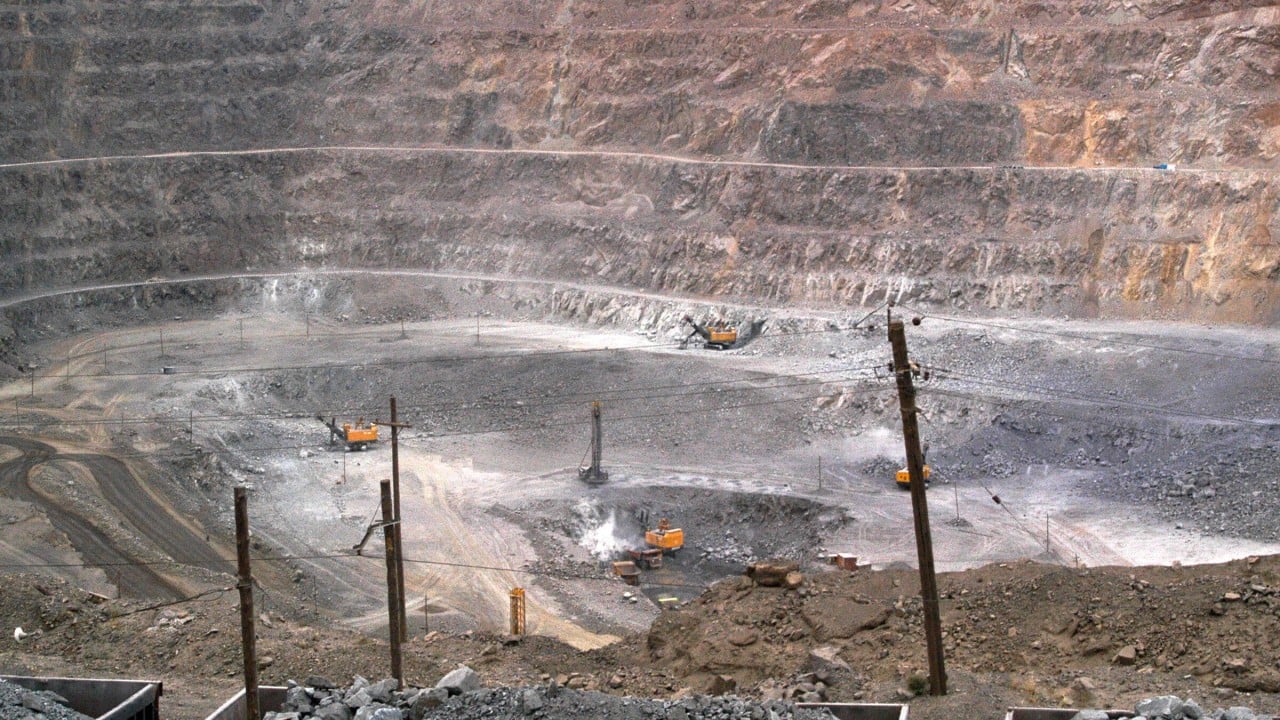
Export restrictions on critical mineral inputs do not operate as blunt instruments; they function as precision-calibrated friction points within the global industrial architecture. The processing capacity for these elements concentrates heavily within a single sovereign jurisdiction due to historical capital expenditures, environmental externalities that other economies externalize or prohibit, and accumulated metallurgical expertise. Consequently, when regulatory friction increases at the primary extraction or separation stage, the downstream economic impact scales exponentially across advanced manufacturing sectors, including defense contracting, semiconductor fabrication, and renewable energy infrastructure. Learn more on a connected subject: this related article.
Bilateral trade negotiations frequently treat tariffs and export controls as distinct administrative categories. This compartmentalization creates an analytical error in statecraft. Tariffs operate as price mechanisms that alter the marginal cost of cross-border trade, whereas export controls on critical inputs operate as structural volume constraints that can induce market failure regardless of price adjustments. When a state secures a temporary truce regarding nominal tariff rates while facing tightening administrative quotas or indefinite licensing delays for essential mineral exports, the net commercial reality is one of tightening constraint. The trade agreement stabilizes the nominal pricing superstructure while the mineral restrictions destabilize the physical foundation.
The mechanics of this friction rely on three distinct operational pillars. The first pillar involves processing throughput ceilings. Even if extraction quotas remain nominally stable, the bureaucratic apparatus governing export licensing can introduce variable latency into the supply chain. This latency acts as an inventory tax, forcing downstream firms to maintain larger buffers of raw materials, thereby increasing working capital requirements and exposing them to price volatility. The second pillar involves technical substitutability barriers. Substituting processed critical inputs in high-performance applications requires re-engineering components, recertifying industrial processes, and often accepting performance degradation. The elasticity of substitution in the short term approaches zero, rendering quantitative restrictions highly effective tools of coercion. The third pillar involves information asymmetry regarding inventory levels and stockpile distributions. State actors control the disclosure of reserve data and licensing approvals, creating a strategic environment of radical uncertainty for foreign procurement teams. More journalism by Business Insider explores comparable views on the subject.
National security justifications often drive the intensification of these administrative controls, creating a structural divergence between commercial diplomacy and industrial policy. Trade negotiators operating under foreign ministries seek predictable market access and balance-of-sheet stability, whereas national security agencies prioritize technological dominance and strategic autonomy. When these two bureaucratic imperatives clash during summit preparations, trade truce extensions become fragile. A state facing imminent restrictions on critical mineral imports cannot rely on long-term capital expenditure projections, paralyzing investment decisions in capital-intensive sectors like semiconductor foundry construction and large-scale wind turbine manufacturing.
The market response to this structural uncertainty manifests as bifurcated pricing and regionalized supply chains. Global commodity pricing mechanisms fragment into localized pools where localized scarcity commands a substantial premium over domestic state-controlled pricing. This divergence distorts corporate cost accounting and forces multinational enterprises to re-evaluate their geographic footprint. Firms respond by reshoring intermediate processing steps or attempting to secure long-term offtake agreements with emerging secondary producers, though these alternative projects face significant lead times and capital hurdles before achieving commercial viability at scale.
Multilateral trade frameworks struggle to adjudicate disputes arising from export controls justified on national security grounds. Existing international trade dispute mechanisms evaluate quantitative restrictions through narrow legal tests that frequently defer to sovereign security claims. This legal ambiguity emboldens states to utilize administrative licensing as a proxy for traditional trade protectionism or geopolitical leverage. As a result, bilateral summits that produce headline agreements on tariff stabilization often mask an underlying escalation in regulatory friction, setting the stage for subsequent supply shocks when licensing approvals stall or extraction quotas contract unexpectedly.
Addressing this systemic instability requires moving beyond nominal trade concessions to establish verifiable, rules-based mechanisms for critical mineral trade. Negotiating parties must decouple technical input licensing from broader diplomatic disputes by establishing objective, transparent criteria for export approvals and fixed timelines for administrative review. Without institutionalizing predictability in raw material flows, any diplomatic truce remains precarious, hostage to the administrative discretion of the state controlling the upstream processing nodes.
Establish automated monitoring of export license approval velocities for critical minerals to quantify upcoming supply bottlenecks before they manifest in finished goods pricing.