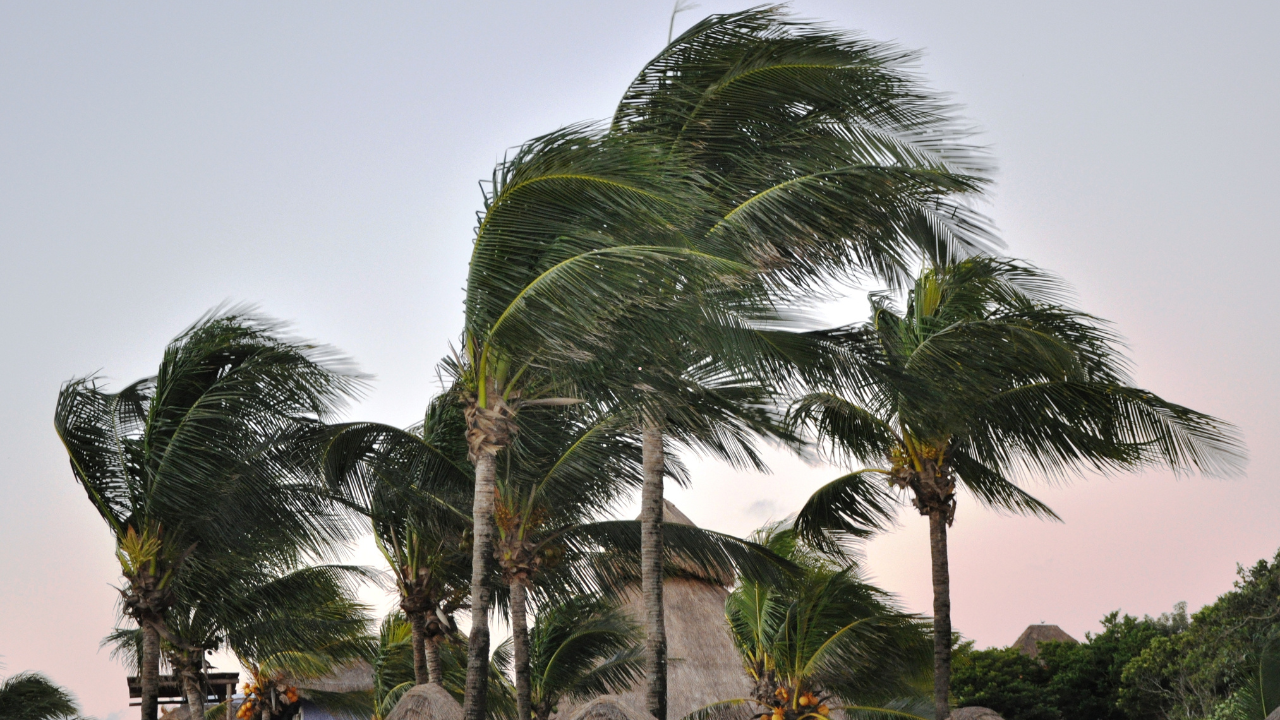
Saudi Arabia’s National Center of Meteorology (NCM) just issued a massive red alert. We’re talking about a significant shift in weather patterns that’ll hit multiple regions across the Kingdom. If you’re planning a road trip or even just heading to work in Riyadh, Makkah, or the Eastern Province, you need to pay attention. This isn't just a bit of drizzle. The NCM is forecasting heavy rain, high-speed winds, and a massive drop in visibility that could turn a normal commute into a nightmare.
People often shrug off these alerts until they’re stuck in a flash flood. Don't be that person. The current atmospheric pressure changes are creating a volatile mix. We're seeing a convergence of moist air masses that'll likely trigger thunderstorms. This isn't just about getting your shoes wet; it’s about safety on the roads and protecting your property from sudden gusts.
The Regions most at Risk Right Now
The NCM isn't painting the whole country with the same brush. They’ve pinpointed specific areas where the impact will be hardest. Makkah and Madinah are high on the list. If you're in these regions, expect the sky to turn dark fast. Heavy rain in the Hijaz mountains often leads to rapid runoff. That water has to go somewhere, and usually, it's straight down into the valleys and coastal plains.
Riyadh isn't escaping this either. The capital is looking at moderate to heavy rainfall. In an urban environment like Riyadh, this means localized flooding. Our drainage systems are better than they used to be, but they aren't magic. When a month's worth of rain falls in two hours, the streets become rivers.
The Eastern Province and parts of Al-Qassim are also in the crosshairs. We're looking at "Al-Saba" winds—those strong, dusty gusts that can drop visibility to near zero in seconds. If you've ever driven through a sandstorm followed by a downpour, you know it’s terrifying. The mud sticks to your windshield, and your wipers basically become useless.
Why Visibility is Your Biggest Enemy
Everyone worries about the rain, but the wind and dust are actually more dangerous for drivers. The NCM specifically warned about "low horizontal visibility." This happens when strong winds kick up loose sand right before the rain starts. It creates a thick, brown haze.
When visibility drops below 500 meters, your reaction time effectively vanishes. You might think you can see the taillights of the car in front of you, but in a heavy dust-rain mix, those lights blur and disappear. It’s a recipe for multi-car pileups.
- Dust storms precede the rain, coating everything in a fine layer of silt.
- Flash floods can occur in wadis even if it isn't raining where you are.
- Hail is a real possibility in higher elevations like Asir and Baha.
Understanding the NCM Warning Levels
The NCM uses a color-coded system. You’ve probably seen the yellow, orange, and red notifications on their app or Twitter (X) feed.
Yellow means stay alert. Changes are coming.
Orange means you should be prepared to take action. This is when you start rethinking outdoor events.
Red is the highest level. It means "take action now." It implies a high risk of danger to life and property. The current alerts for several regions have hit that orange and red threshold. Ignoring a red alert in Saudi Arabia is just plain reckless.
How to Handle the Roads When the Sky Breaks
If you're caught driving when the storm hits, stop trying to be a hero. Most accidents during these Saudi weather events happen because people underestimate the power of moving water.
First, get off the highway if visibility drops. Find a gas station or a safe parking lot. Don't just pull over to the shoulder of the road. In low visibility, other drivers might mistake your parked car for a moving one and rear-end you.
Second, never, ever try to cross a wadi. It looks shallow. It looks like a few inches of water. But wadi beds are notoriously unstable. The water is moving much faster than it appears, and it can easily sweep a heavy SUV off the road. Every year, civil defense teams have to rescue people who thought their 4x4 made them invincible. It doesn't.
Protecting Your Home and Property
It’s not just about your car. Heavy winds can turn patio furniture into projectiles. If you have a rooftop garden or loose items in your yard, bring them inside now. Check your window seals. Saudi villas are built for heat, but sometimes they aren't as tight against driving, sideways rain.
Also, keep an eye on your AC units. If there’s heavy flooding or intense electrical activity, it’s not a bad idea to turn off non-essential electronics. Power surges during these desert storms are fairly common.
The Science Behind the Storm
Why is this happening now? We're seeing a push of Mediterranean depressions interacting with the Red Sea trough. It’s a classic setup for instability. When that cool air from the north meets the warm, moist air coming off the water, the atmosphere basically unzips.
Meteorologists at the NCM use a network of advanced Doppler radars and satellite imagery to track these cells. They aren't just guessing. They see the moisture density and the wind shear in real-time. When they say a storm is coming, the data backs it up. The topography of Saudi Arabia—with the Sarawat mountains acting as a ramp—forces that air upward, cooling it rapidly and dumping rain on the inland side.
Immediate Action Steps
Stop checking your weather app and start looking at the official NCM bulletins. Most third-party apps use global models that miss the local nuances of the Arabian Peninsula’s geography. The NCM is the only source with the ground-level sensors to give you an accurate picture.
Check your tires. If your treads are worn, you're going to hydroplane the moment you hit a puddle. It’s a simple thing that saves lives. Ensure your windshield wiper fluid is full—you'll need it to clear the mud that inevitably follows the initial dust.
Stay away from low-lying areas and valleys. If you live near a wadi, move your car to higher ground now. Civil Defense (998) is going to be busy, so don't add to their workload by being unprepared. Watch the local news, keep your phone charged, and stay indoors until the red alerts clear.
The weather in the Kingdom can change from a clear sky to a literal deluge in twenty minutes. Respect the power of the desert climate. Stick to the paved roads, avoid the desert tracks until the ground dries out, and keep your headlights on even during the day if the dust starts to rise.