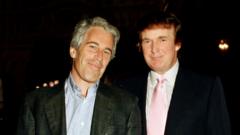
If you've been watching the news this week, you probably saw Donald Trump holding court at his Doral golf resort in Miami. He wasn't just there to play a few rounds. Between meetings with Latin American leaders at the "Shield of the Americas" summit, he dropped a bombshell about the island just 90 miles off the Florida coast. He says Cuba is in its "last moments of life."
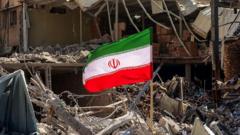
It's a bold claim, but it's not just campaign trail bluster. The strategy is clear: now that the U.S. has moved on Iran and successfully ousted Nicolás Maduro in Venezuela, the administration is turning the screws on Havana. They're betting that without their Venezuelan oil lifeline and with a fresh round of hyper-aggressive sanctions, the Cuban Communist Party is basically running on fumes. In related developments, take a look at: The Sabotage of the Sultans.
The end of the oil lifeline
For decades, Cuba survived on a simple trade. They sent doctors to Venezuela, and Venezuela sent back cheap oil. That deal died on January 3, 2026, when U.S. special forces captured Maduro. Since then, the oil has stopped flowing. No tankers have docked in Havana since early January.
I've looked at the data, and it's grim. Trump isn't just waiting for the island to run out of gas; he's actively blocking anyone else from helping. On January 29, he signed Executive Order 14380. It's a nasty piece of legislation for anyone trying to do business with Cuba. It basically says if a country sells oil to the island, the U.S. will slap massive tariffs on everything that country exports to America. USA Today has also covered this important subject in great detail.
Mexico's Pemex was the first to feel the heat. Mexican President Claudia Sheinbaum had to make a "sovereign decision" to halt shipments after the U.S. threatened their trade. When you're Cuba and your two biggest friends—Venezuela and Mexico—can't or won't send you fuel, you're in deep trouble.
Life in the dark
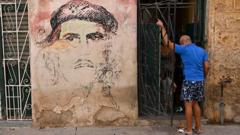
The result of this energy blockade isn't just a political talking point. It's a humanitarian catastrophe. On March 4, the Antonio Guiteras power plant—the most important one on the island—collapsed. Two-thirds of the country went dark instantly. We're talking about millions of people with no lights, no refrigeration, and no running water because the pumps are electric.
Honestly, it’s hard to wrap your head around how bad it's gotten. In many provinces, people are lucky to get four hours of electricity a day. Hospitals are struggling to keep vaccines cold. The UN is already sounding the alarm that the water system is failing because 84% of it relies on a grid that barely exists anymore.
The Marco Rubio factor
Trump has been very specific about who’s running the show this time. He told CNN on Friday that Secretary of State Marco Rubio is his "point man." Rubio is the son of Cuban immigrants and has spent his entire career wanting to see the regime in Havana dismantled.
By putting Rubio in charge, Trump is sending a message that this isn't just about diplomacy. It’s personal. They’re using a "maximum pressure" tactic that makes the first term look like a warm-up. They’ve already put Cuba back on the state sponsors of terrorism list, which effectively cuts them off from the global banking system.
Why this time might be different
People have been predicting the fall of the Castro-founded government for 60 years. Why believe it now?
- No Regional Allies: With Maduro gone in Venezuela and leaders in Argentina and Ecuador pivoting hard toward Washington, Havana is isolated.
- Economic Exhaustion: The 2021 protests showed that the younger generation has lost the "revolutionary" patience their grandparents had.
- The Medical Mission Collapse: The U.S. has successfully pressured countries like Guatemala, Honduras, and Jamaica to send Cuban doctors home. That was the regime's biggest source of hard currency.
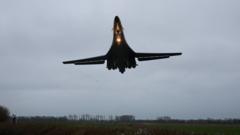
Trump basically said he’s waiting for the "Iran situation" to wrap up before he goes all-in on what he calls a "special Cuba" project. He’s even mentioned a "friendly takeover," though nobody's quite sure what that looks like in practice. It sounds like he’s expecting a surrender rather than a war.
What to watch for next
If you're trying to track how fast this is moving, don't watch the speeches. Watch the shipping lanes. If no tankers arrive in the next two weeks, the grid might stay down for good. Also, keep an eye on the Supreme Court. They’re currently reviewing whether Trump’s use of the International Emergency Economic Powers Act (IEEPA) to slap tariffs on third countries is actually legal. If the court strikes it down, Mexico might start the oil shipments again.
You should also look at the "Shield of the Americas" coalition. Trump is building a group of Latin American countries that are tired of the migration surges and drug trafficking. He’s telling them that "regime change" in Cuba is the only way to stabilize the region. If more countries join that chorus, the pressure on Miguel Díaz-Canel to "make a deal" will become unbearable.
Check the flight schedules and remittance rules. If the administration suspends all commercial flights and cuts off Western Union again, the last bit of air in the Cuban economy will be gone. The goal is to make the cost of staying in power higher than the cost of leaving.