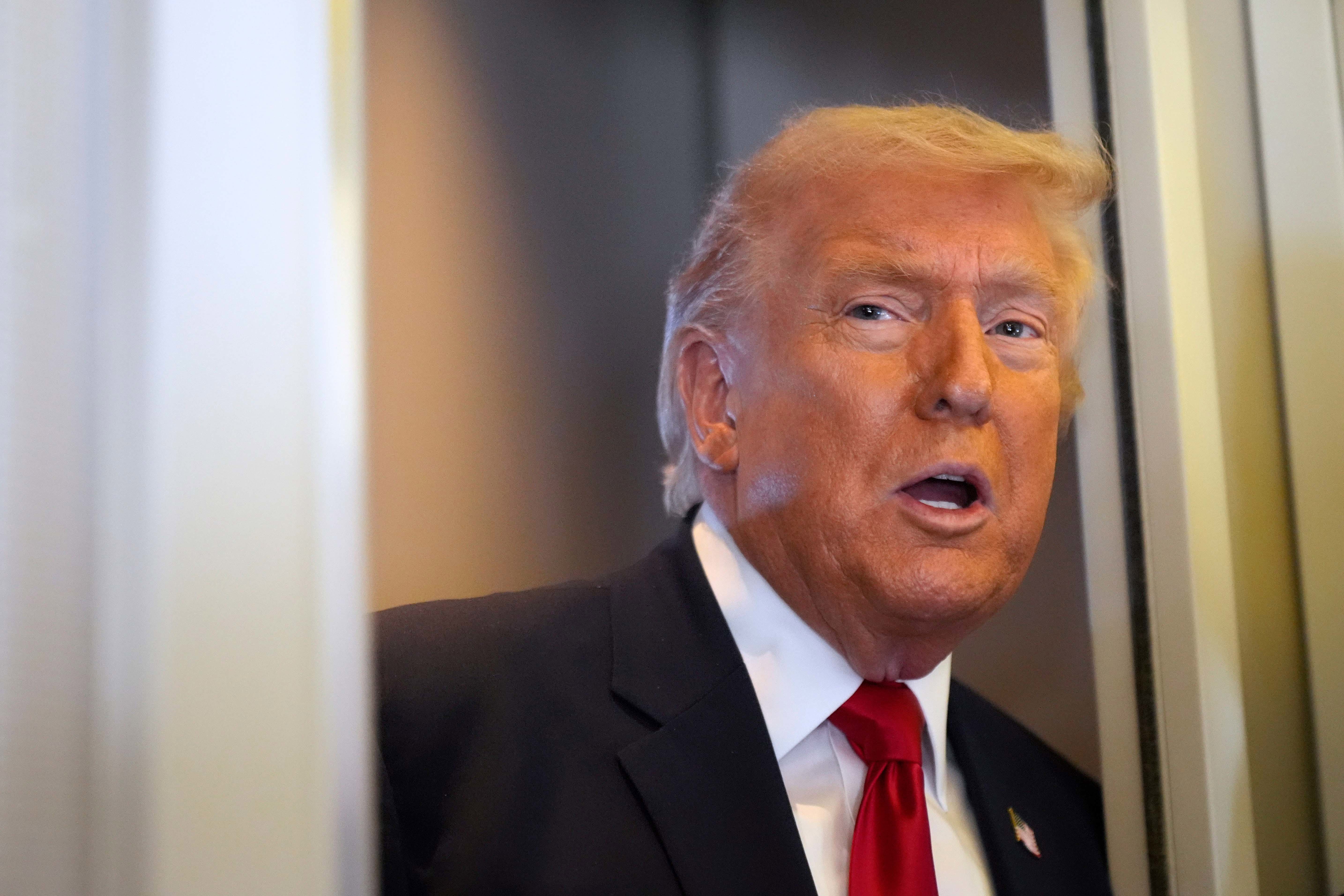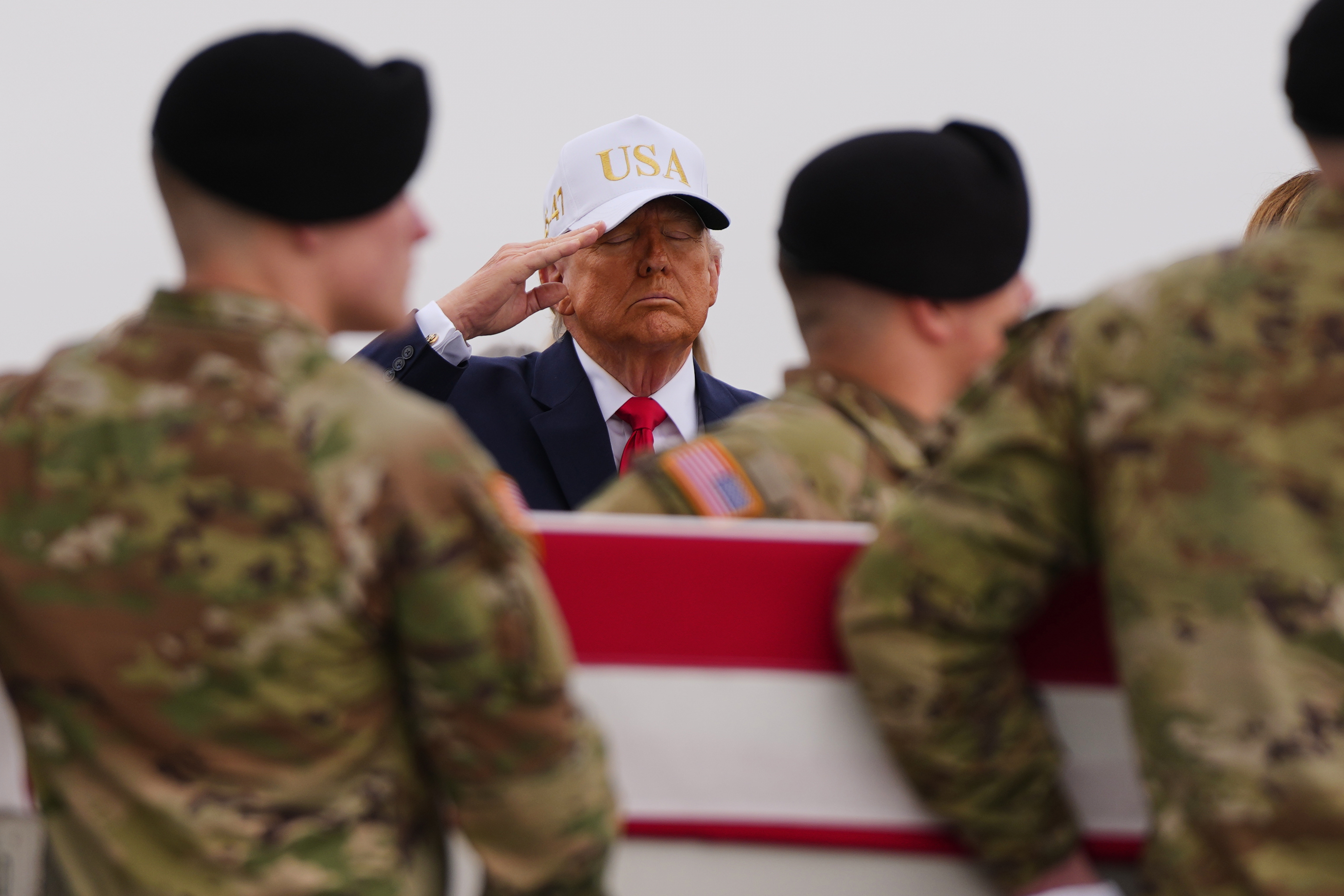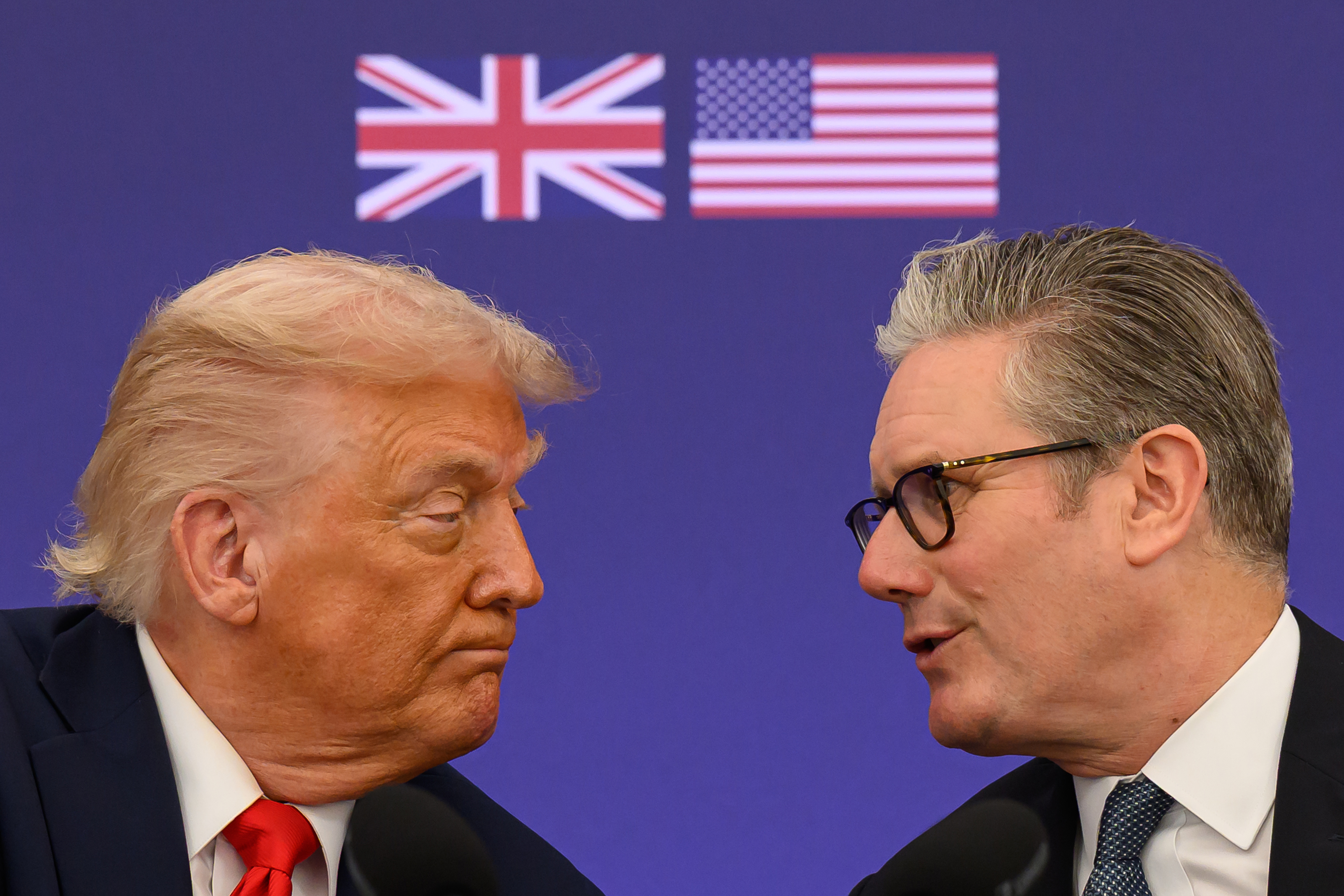
Donald Trump isn't exactly known for his subtlety, but his latest shot at the UK’s naval strategy cuts deeper than the usual Truth Social rant. After months of tension over how to handle Iran, the US President basically told Prime Minister Keir Starmer to keep his aircraft carriers at home. "We don't need people that join wars after we've already won," Trump posted, dismissing the Royal Navy’s sudden scramble to prep HMS Prince of Wales for a Middle East deployment. It’s a brutal public shaming of the "Special Relationship," and honestly, it reveals a massive gap between London’s global ambitions and its actual military readiness.
For weeks, the UK government played a cautious game. Starmer initially blocked the US from using British bases for offensive strikes against Iran, citing "legal certainty." While the US and Israel were already trading blows with Tehran, the UK sat on the sidelines, eventually offering only "defensive" support. Now that the dust is settling and the US claims the upper hand, the Ministry of Defence (MoD) is suddenly making noise about sending a carrier strike group. Trump’s response? A sarcastic "thanks, but no thanks."
The Five Day Notice Nobody Asked For
The timing of the MoD’s announcement was awkward at best. On March 7, 2026, reports surfaced that crews on HMS Prince of Wales were put on a five-day notice to move. Normally, that’s a ten-day window. They’re rushing. But rushing for what? If the goal was to show solidarity with Washington, that ship sailed—literally and figuratively—weeks ago.
Trump’s criticism focuses on a simple, painful truth: the UK is acting like the person who shows up to help you move after the truck is already packed. By the time Starmer felt "satisfied" with the legality of the strikes, the heavy lifting had been done by US B-1 Lancers flying out of RAF Fairford.
- The Base Blunder: Starmer’s refusal to allow initial offensive strikes from British soil frustrated the Trump administration.
- The Late Arrival: Adding a carrier to the mix now looks more like a PR exercise than a strategic necessity.
- The "Once Great" Ally: Trump’s use of the phrase "our once Great Ally" is a clear signal that the hierarchy in this relationship has shifted from partnership to annoyance.
One Carrier Is Not A Fleet
Let’s get real about the Royal Navy’s current state. The MoD likes to talk about "two aircraft carriers," but the reality is much thinner. HMS Queen Elizabeth has been plagued by technical issues and is currently sidelined. That leaves HMS Prince of Wales to do all the heavy lifting.
The UK is trying to project power in the North Atlantic to deter Russia while simultaneously eyeing the Middle East. You can’t be everywhere at once with a single operational carrier. If the Prince of Wales heads to the Middle East to appease a frustrated White House, it leaves a massive hole in NATO’s northern flank. Critics are already pointing out that a "carrier strike group" isn't much of a group if you have to beg allies for the escort frigates and submarines to protect it.
The Sovereignty Trap
Starmer is trying to balance two impossible things: British sovereignty and the US alliance. He wants to prove the UK isn't just a "vassal state" that says yes to every American military whim. That’s why he hesitated on the Iran strikes. He wanted a British stamp on the legal framework.
But in the world of high-stakes geopolitics, hesitation has a price. Trump doesn't value "legal certainty"—he values loyalty and speed. By the time the UK was ready to play, the game was over. Now, instead of looking like a principled partner, the UK looks like an indecisive one.
What This Means For 2026 And Beyond
This isn't just a spat on social media. It’s a preview of how the UK will have to navigate a second Trump term. The "America First" doctrine doesn't have room for slow-moving European bureaucracies. If the UK wants to remain relevant, it has to decide if it’s a global power or a regional one.
Trying to do both with a shrinking budget and a single available carrier is a recipe for more public embarrassments like this one. If the UK is going to deploy its carriers, it needs to do so when it actually matters, not as a desperate "me too" after the mission is accomplished.
If you're following the Middle East escalation, keep an eye on whether the Prince of Wales actually leaves Portsmouth. If it stays in port after this snub, it’s a massive win for Trump’s narrative. If it sails anyway, it’s a very expensive way to be ignored. The best move for the UK right now? Stop trying to win a PR war with Trump and start fixing the procurement and readiness issues that made the Royal Navy so late to the party in the first place. High-readiness shouldn't be a reaction; it should be the standard.