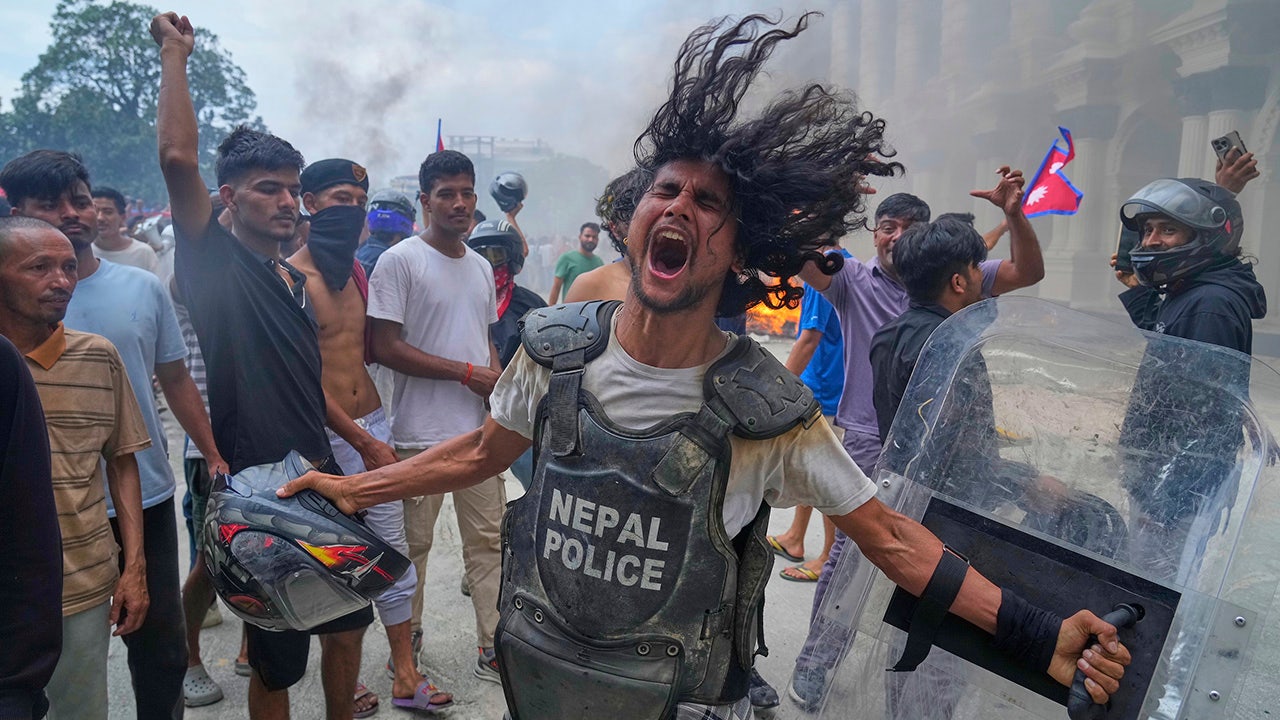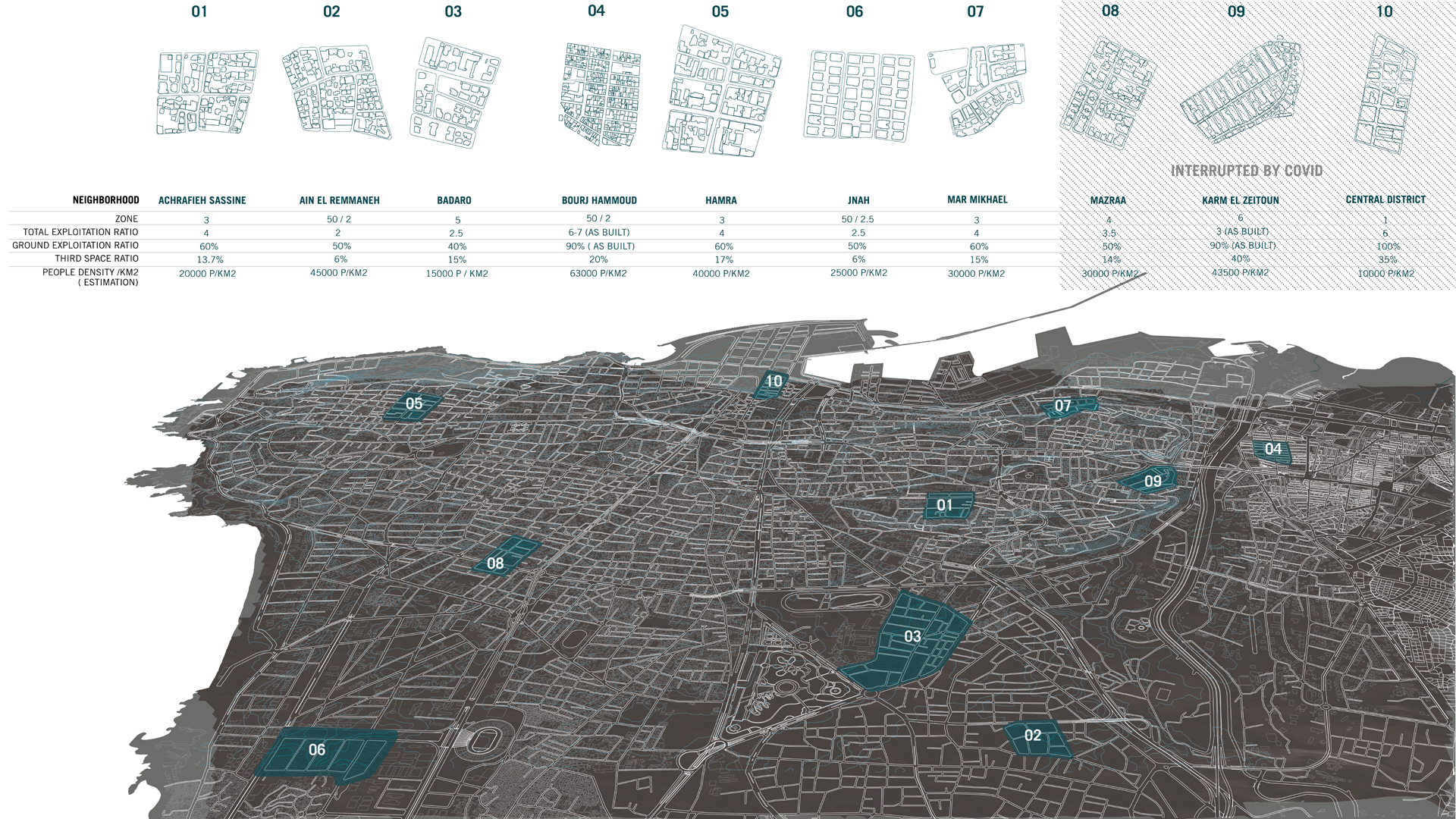
The death toll in Lebanon has surged past 100 within a single window of escalation as Israeli military commands trigger a mass exodus from Beirut’s densest neighborhoods. While the immediate headlines focus on the raw mechanics of the strikes, the deeper reality is a calculated campaign to dismantle the social and logistical infrastructure of the Lebanese capital. Israel is not just targeting weapons caches. It is effectively redrawing the map of Beirut through forced displacement and the systematic destruction of the Dahiyeh district and its surroundings.
This is a war of attrition played out in apartment blocks. By issuing evacuation orders for entire city blocks, the Israeli Defense Forces (IDF) are using psychological pressure to turn the civilian population against the political and military presence of Hezbollah. The result is a humanitarian bottleneck that the Lebanese state, already crippled by years of economic collapse, is utterly unprepared to manage.
The Strategy of Forced Displacement
Military analysts often discuss "surgical strikes," but the current operations in Beirut suggest a much broader objective. The "evacuation" notices sent via social media and SMS are technically designed to minimize civilian casualties, yet they serve a dual purpose as tools of displacement. When a hundred thousand people flee a neighborhood in two hours, the resulting chaos paralyzes the city’s defense and supply lines.
The IDF maintains that these targets are specifically tied to Hezbollah's financial and military hubs. However, the sheer scale of the destruction suggests a policy of making specific areas of Beirut uninhabitable for the foreseeable future. This is the "Dahiyeh Doctrine" updated for 2026. The goal is to create such a high cost of association with the resistance that the support base fractures.
The Collapse of the Lebanese Safety Net
Lebanon has no functioning civil defense. The fire departments are underfunded, the hospitals are running on generators, and the banking system has been a hollow shell since 2019. When 100 people are killed in a day, the impact is magnified because there is no institutional cushion to catch the survivors.
The displaced are now sleeping in schools, parks, and on the sidewalks of the Corniche. This is not a temporary inconvenience. It is the permanent relocation of a significant portion of the Lebanese population. We are witnessing the creation of a new class of internally displaced persons who have nowhere to return to because their neighborhoods have been leveled.
The Regional Calculation and the Failure of Diplomacy
Western diplomats have spent months shuttling between Tel Aviv and Beirut, attempting to negotiate a maritime border or a buffer zone. These efforts have largely failed because they ignore the fundamental asymmetry of the conflict. Israel views the current moment as a generational opportunity to reset its northern border security, regardless of the cost to Lebanese sovereignty.
For Hezbollah, the calculation is existential. They cannot retreat without losing the very credibility that gives them power within the Lebanese sectarian system. This leaves the Lebanese government—a fragile coalition of interests—trapped in the middle. Prime Minister Najib Mikati’s administration has little choice but to plead for international intervention that never seems to arrive with any real teeth.
The Logistics of the Siege
The strikes on Beirut are frequently accompanied by the targeting of border crossings into Syria. This is a classic strangulation tactic. By cutting off the land routes, Israel is attempting to prevent the replenishment of Hezbollah’s missile stockpiles. Yet, these same routes are the lifelines for food, fuel, and medical supplies for the civilian population.
The "why" behind the intensity of these strikes is rooted in a shift in Israeli intelligence. The precision of the hits suggests that the IDF has deeply compromised the communications networks within Lebanon. They are hitting targets with a speed that indicates real-time tracking, leaving the opposition little time to react or relocate assets.
The Urban Warfare Paradox
Fighting in a city like Beirut is a nightmare for any military, but Israel is bypassing the traditional risks of ground entry by using high-altitude munitions. This allows for the destruction of underground bunkers at the cost of the high-rise buildings above them.
The human cost is not just a byproduct; it is the primary metric of the conflict's intensity. When a building collapses in a high-density area, the pressure wave damages every structure within a three-block radius. Windows shatter, foundations crack, and the city’s utility grid—already held together by duct tape and desperation—finally gives way.
- Infrastructure Impact: Destruction of water mains and sewage lines leads to long-term health crises.
- Economic Paralysis: The ports and airports are operating under the shadow of total blockade.
- Social Fragmentation: Sectarian tensions rise as displaced populations move into areas controlled by different political factions.
The Global Response and the Vacuum of Power
The United Nations remains a spectator. Resolutions are drafted and vetoed while the casualties mount. This vacuum of global leadership has allowed the conflict to escalate beyond the "tit-for-tat" exchanges of previous years. We are now in a full-scale regional realignment.
The United States continues to provide the munitions used in these strikes while simultaneously calling for "restraint." This policy of strategic ambiguity is no longer sustainable. As the death toll in Beirut climbs, the pressure on Washington to either back the offensive fully or cut off the supply of heavy ordnance will become unavoidable.
The Intelligence Gap
One of the most overlooked factors in this escalation is the role of domestic Lebanese politics. There are factions within Lebanon that, while they would never say it publicly, view the weakening of Hezbollah as a necessary evil for the restoration of a traditional state. This internal friction complicates the national response. If the country cannot agree on who the enemy is, it cannot organize a coherent defense.
The intelligence being used to coordinate these strikes likely comes from a mix of high-tech surveillance and human assets on the ground. In a city where the economy has failed, information becomes a commodity. The desperation of the populace is being leveraged to fuel the target lists of the invading force.
The Long Road to Ruin
Even if a ceasefire were signed tomorrow, Beirut would remain a broken city. The reconstruction costs will run into the billions, and the international community’s appetite for rebuilding Lebanon is at an all-time low. Unlike the aftermath of the 2006 war, there is no Gulf Arab money waiting to pour into the country. The geopolitical landscape has shifted; the old patrons have moved on to their own internal development projects.
The residents of Beirut are not just fleeing bombs; they are fleeing the realization that their state has no power to protect them. The sovereignty of Lebanon is currently being settled in the air over the Mediterranean and in the bunkers beneath the city streets.
The international community must look beyond the daily casualty counts and recognize that the geography of the Levant is being permanently altered. The displacement of hundreds of thousands of people is not a side effect of military operations—it is the operation itself. If the goal is to create a buffer of empty space and rubble, then the campaign is succeeding.
Check the logistical maps of the latest evacuation orders and compare them to the city's power grid. You will see that the areas being cleared are exactly the hubs required for a functioning metropolitan economy. This is the de-urbanization of a capital city in real time.