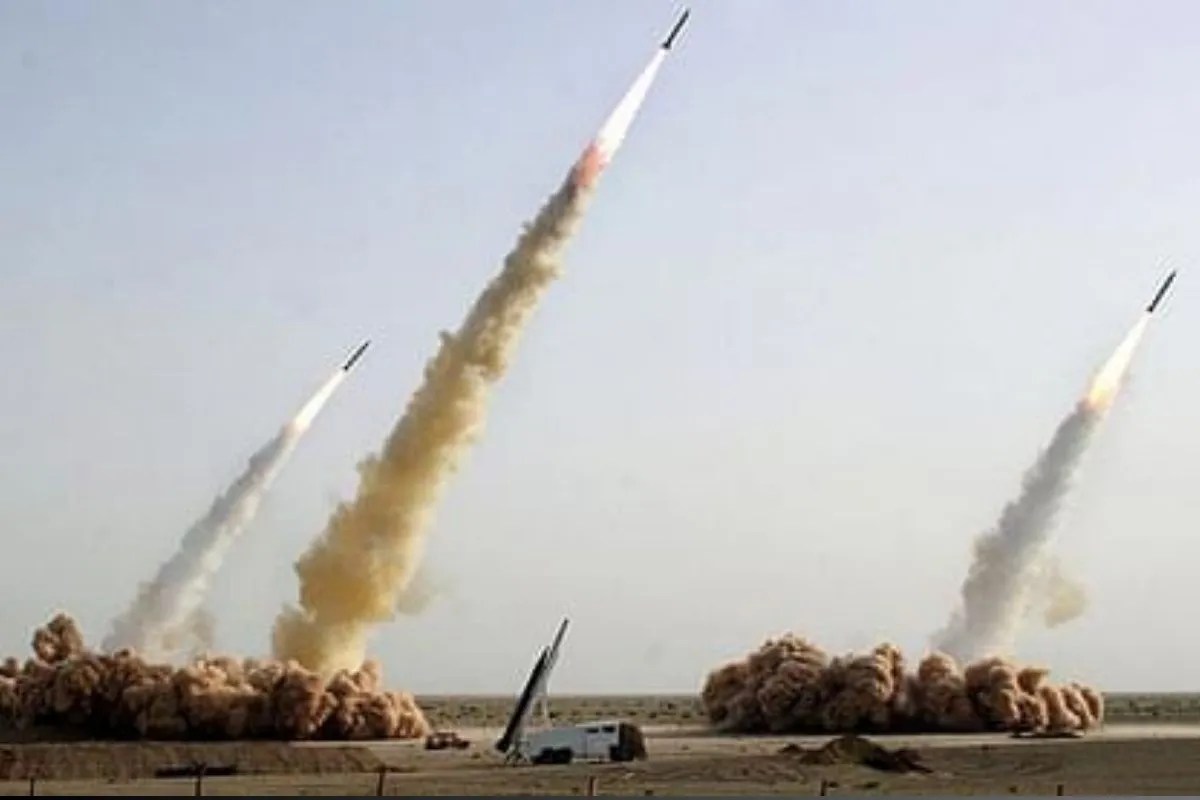
The security architecture protecting the Persian Gulf's multi-trillion-dollar energy corridors has always been built on a precarious illusion of distance and deterrence. When a coordinated swarm of low-signature drones slammed into Saudi Arabia's critical East-West oil pipeline pump stations, puncturing the kingdom's primary bypass route around the choking maritime chokepoints, the illusion shattered. Weeks later, the discovery and seizure of the mobile drone-launching platform deep inside Iraq’s southeastern Maysan province did not close the case; it opened a much darker, more volatile chapter in modern energy geopolitics.
For decades, military planners in Riyadh and Washington obsessed over the maritime security of the Strait of Hormuz. Billions were poured into naval patrols, mine countermeasures, and air defense batteries designed to intercept threats arriving from the sea or conventional airspace. Yet, asymmetric warfare has a habit of rendering legacy investments obsolete overnight. By utilizing sovereign Iraqi territory as a staging ground, the operators behind the strike bypassed hundreds of miles of high-alert airspace, exploiting administrative gray zones, porous borders, and the operational space of Iran-aligned regional militias. Meanwhile, you can find similar developments here: The Map of Quiet Hands Across the Sea.
The physical mechanics of the attack reveal a chillingly sophisticated strategy. Rather than targeting the thick, buried steel pipe segments—which can be repaired relatively quickly—the strikes were methodically calibrated to hit the complex pumping stations scattered across the Riyadh and Medina regions. These stations house specialized turbine machinery, high-pressure valves, and digital control nodes that cannot be replaced off the shelf. Knocking out a pump station halts the flow of four to five million barrels of crude oil per day, effectively choking off the Red Sea export terminal at Yanbu without needing to rupture every mile of the 745-mile corridor.
The geopolitical fallout rippled instantly through international commodities markets. Crude oil benchmarks surged past one hundred dollars a barrel, reacting not merely to the physical barrels temporarily lost to the market, but to a deeper realization. The East-West pipeline was supposed to be the ultimate insurance policy. When maritime traffic through Hormuz and the Bab el-Mandeb strait faced simultaneous threats, the overland pipeline was meant to keep the global economy lubricated. When that artery was severed by drones originating from a neighboring state, the redundancy vanished. To see the bigger picture, we recommend the recent analysis by BBC News.
In Baghdad, the seizure of the launch platform by an intelligence and security task force triggered an immediate political and security scramble. Prime Minister Ali al-Zaidi moved swiftly to distance the central government from the rogue infrastructure, dismissing local security commanders in Maysan province and initiating forensic investigations. Yet, the presence of sophisticated launch hardware near the Iranian border underscores a persistent governance crisis inside Iraq: the inability of the central state to fully police its periphery against heavily armed non-state actors.
Compounding the regional friction, Baghdad's approval of an Iranian request to join aspects of the investigative findings introduced an extraordinary diplomatic dynamic. While the Islamic Resistance in Iraq—an umbrella organization of Iran-aligned armed groups—publicly denied direct involvement, the cross-border logistics of the attack point to a high degree of technical coordination. Drones of this class require telemetry, pre-programmed GPS waypoints, and localized launch support that cannot be improvised by isolated cells without logistical depth.
For Riyadh, the immediate calculus shifted from military retaliation to strategic restraint. Opting to hold back a counter-strike gave the Iraqi administration a narrow window to assert authority and dismantle residual threat networks. It was a calculated pause, born of the understanding that a retaliatory cycle inside Iraqi territory risks igniting a broader conflagration that would permanently destabilize the region's fragile diplomatic thaw.
Energy security analysts looking past the immediate headlines note that the fundamental vulnerability remains unaddressed. As long as asymmetric actors can procure low-cost, long-range loitering munitions and exploit the sovereign gaps of weak states, physical infrastructure will remain inherently indefensible against determined attacks. The captured launch pad in Maysan is secured, but the technological democratization of precision strike capability means the next threat is already being engineered in a garage or a hidden desert clearing, waiting for the smoke to clear.