Markets do not scream. They hum.
In the trading rooms of Tokyo and New York, the sound is a relentless, low-frequency drone of computer fans, clicking keyboards, and the quiet murmur of analysts watching numbers cascade down multi-monitor setups. But every once in a while, that ambient hum stops. A sudden silence falls over the floor. A line has been crossed.
To understand why governments step into the currency markets, you have to look away from the flashing red and green tickers for a moment. You have to look at a bowl of ramen in Shinjuku, or an imported microchip factory in Ohio. You have to look at people trying to plan a future when the yardstick keeps shrinking in their hands.
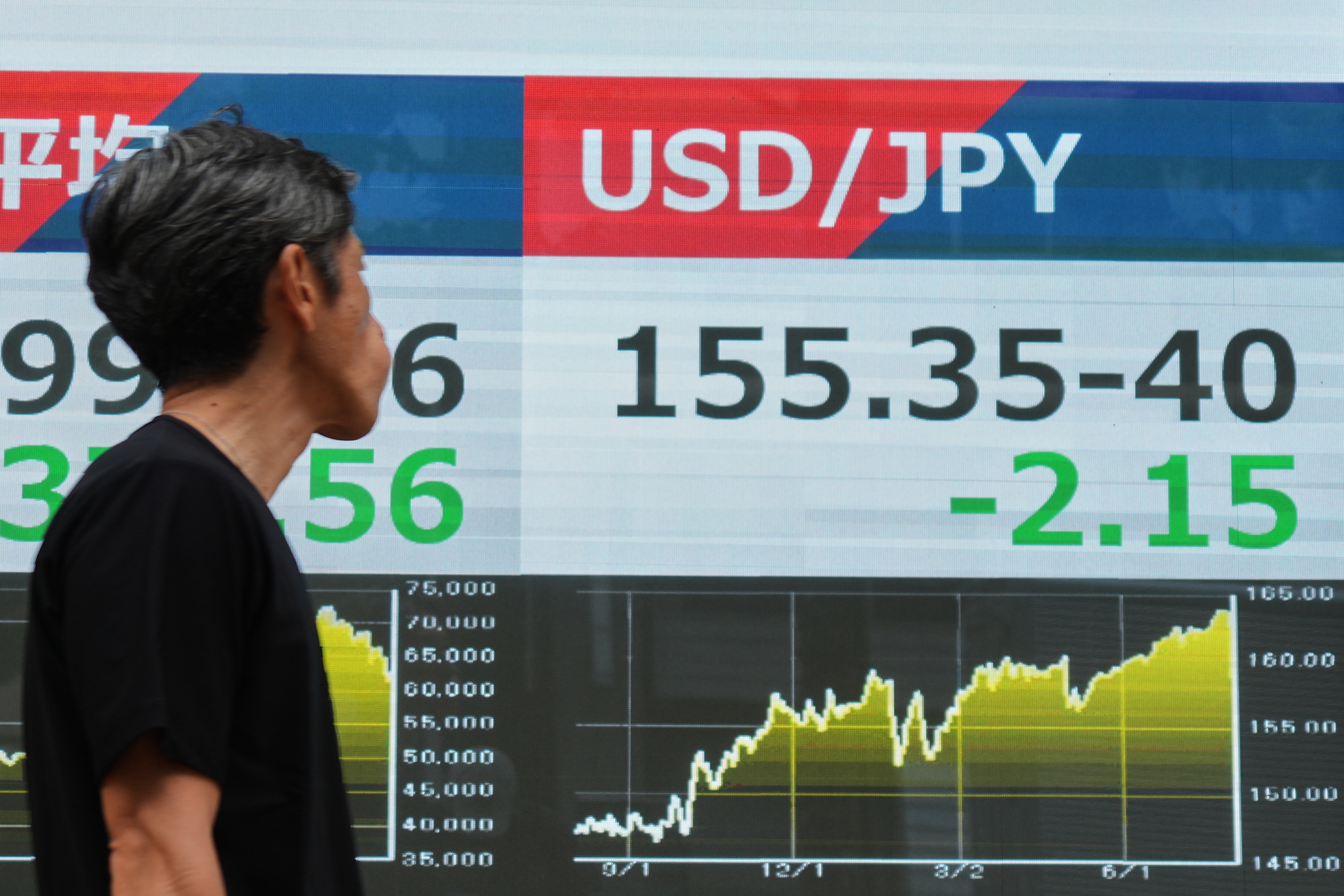
For months, the Japanese yen had been sliding down a steep, unforgiving slope. It was a slow-motion erosion. Exporters cheered because their overseas profits looked magnificent on paper when converted back into a weakened domestic currency. But for the ordinary grocery shopper, the salaryman, the small business owner importing raw materials, the math was brutal. Everything cost more. Energy bills swelled. Imported beef became a luxury item.
Then came the joint declaration.
The United States and Japan did something rare. They stood together, locked arms across the Pacific, and confirmed what the speculators had been whispering about in the dark: a coordinated yen intervention. They drew a hard line in the sand and signaled their readiness to do it again.
When the Invisible Hand Needs a Heavy Fist
Economic textbooks love to preach about the purity of free markets. Let the currency float, they say. Let supply and demand find their natural equilibrium. It sounds elegant in a lecture hall. It feels entirely different when your purchasing power evaporates by twenty percent in a couple of years because macroeconomic forces beyond your control are treating your life savings like a trading vehicle.
Consider what actually happens during an intervention. It is not a subtle nudge. It is a shockwave.
Trillions of dollars move across international borders at the speed of light. Central banks step in, not with gentle persuasion, but with massive, coordinated purchases of the struggling currency and sales of the dominant one. They flood the screens with liquidity to shake out the aggressive speculators who were betting on a one-way downward bet.
When Washington and Tokyo issued that joint statement, they weren't just moving numbers around a ledger. They were deploying psychological warfare against momentum traders. They were saying: If you bet against the yen today, you are betting against the combined firepower of the world's largest economies.
The market heard them. The slide paused. The yen jerked upward, catching thousands of short-sellers flat-footed. Margin calls echoed through hedge funds. For a brief afternoon, the gravity holding the currency down was switched off.
The Human Cost of a Soft Currency
Numbers on a screen are easy to ignore if you do not know what they buy.
Imagine walking through a neighborhood market in Kyoto. You’ve run a small, generational family bakery for thirty years. Your grandfather built the ovens. Your father weathered recessions with flour imported from specific mills. Now, the cost of that flour has doubled. The gas to fire the ovens climbs higher every month. You cannot raise your prices to match the inflation because your neighbors, your loyal customers, are hurting just as badly. Their wages haven't budged.
So you absorb the loss. Day by day, your margins thin out until you are working sixty hours a week just to break even.
This is what a weak currency feels like from the ground level. It is a tax on the working class, collected invisibly by global exchange rates. When central bankers talk about stabilizing macroeconomic conditions, they are talking about whether that bakery survives the year. They are talking about whether a middle-class family can afford to send their child to university without taking on crippling debt.
Governments do not intervene on a whim. They wait until the pain becomes politically and socially unsustainable. They wait until the market distortion threatens the broader stability of international trade.
The Limits of Intervention
Can a government simply print or buy its way to a permanent fix?
History whispers a warning. Interventions are heavy hammers, but they are not magic wands. They can buy time. They can punish speculators and puncture speculative bubbles. But they cannot permanently override the underlying economic fundamentals.
If interest rates in the United States remain significantly higher than those in Japan, capital will naturally flow where it can earn a higher return. Investors will sell yen to buy dollars, capturing that yield gap. No amount of joint communiques or central bank jawboning can defy gravity forever if the structural interest rate differential remains wide open.
This is why the recent coordination carried such a heavy caveat. They signaled readiness for more, but everyone in the room knew the clock was ticking. An intervention is an adrenaline shot to a patient on the operating table. It stabilizes the vitals. It prevents immediate collapse. But it does not cure the underlying disease.
The real test lies in the months ahead. Will central banks align their monetary policies more closely? Will inflation cool where it needs to cool, and will growth find its footing where it has stalled?
The Aftermath on the Trading Floor
Back in the trading room, the initial shock of the intervention fades into a tense watchfulness.
The screens are green again, for now. Traders are whispering, recalculating their models, testing the resolve of the authorities. They are probing the defenses, looking for cracks in the wall, wondering if the joint statement was a singular act of desperation or the opening salvo of a sustained campaign.
Across the ocean, a baker turns off his oven for the night, wiping flour from his hands, looking at a stack of supplier invoices that still don't quite make sense. He doesn't know what a foreign exchange swap is. He doesn't care about the intricacies of interest rate differentials.
He only knows that today, the line held. And for the first time in a long time, tomorrow feels like a place that might actually arrive.