Fear sells, but logistics rules the world.
The headlines are screaming about 23,000 Indian sailors "trapped" or "stranded" near the Strait of Hormuz. They paint a picture of a looming catastrophe, a humanitarian crisis waiting to ignite as regional tensions flare. It’s a compelling story for a 24-hour news cycle hungry for clicks. It is also fundamentally wrong.
If you understand the plumbing of global trade, you know that "stranded" is a loaded term used by people who don't understand how a VLCC (Very Large Crude Carrier) actually operates. I have seen boardrooms panic over these exact headlines, wasting millions on "emergency" rerouting plans that were never necessary. The reality is that the maritime industry is built for friction. Risk isn’t an anomaly; it is the baseline.
The Mathematical Mirage of the Stranded Sailor
Let’s dismantle the numbers first. The "23,000" figure is a classic example of statistical padding. This number represents the total estimated Indian seafaring population currently transitioning through or stationed on vessels within the wider Persian Gulf and Gulf of Oman.
To call them "stranded" implies they are unable to move, held against their will, or in immediate kinetic danger. In reality, the vast majority are on active contracts, performing routine operations on vessels that are moving—albeit cautiously.
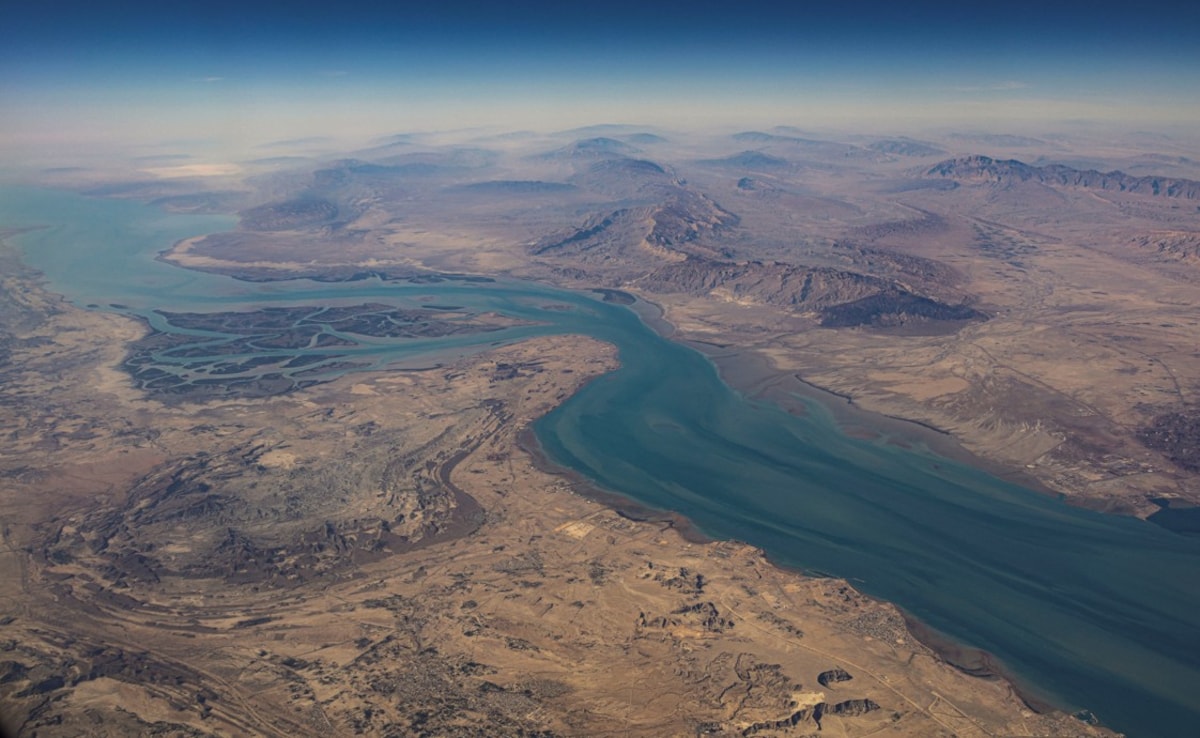
The Strait of Hormuz is roughly 21 miles wide at its narrowest point. On any given day, about one-fifth of the world’s oil passes through it. If 23,000 sailors were truly "stranded," global oil prices wouldn't be nudging up by 2%; they would be vertical. The fact that the Brent Crude index remains relatively stable tells you everything the headlines won't: the "crisis" is a controlled variable.
War Risks are Already Priced Into the Contract
The amateur view suggests that sailors are victims of a sudden geopolitical shift. The insider view knows that every single one of those 23,000 sailors is governed by contracts that account for "War Risk Zones."
When a ship enters the Gulf, the insurance premiums—specifically the Hull and Machinery (H&M) and Protection and Indemnity (P&I) coverage—spike. This isn't a surprise to the crew or the ship owners.
- War Risk Surcharges: These are triggered automatically.
- Double Pay Provisions: Many Indian seafarers under ITWF (International Transport Workers' Federation) agreements receive double basic pay when operating in designated high-risk areas.
- Right to Refuse: Most standard maritime contracts grant a sailor the right to be repatriated at the company's expense if a vessel enters a war zone.
If there were a genuine, unmanageable risk, these 23,000 men wouldn't be "stranded." They would be exercising their right to sign off at the nearest safe port, such as Fujairah or Muscat. The reason they aren't leaving is simple: the money is good, and the actual risk of a ship being seized or struck is statistically lower than a standard equipment failure in the middle of the Atlantic.
The Iran "War" That Isn't
The competitor’s headline uses the word "War." This is malpractice.
We are seeing a series of calculated, asymmetric escalations. Iran is not interested in a full-scale kinetic war that closes the Strait. Why? Because Iran’s own economy relies on the "shadow fleet"—the very tankers that move through these waters to bypass sanctions. Closing the Strait would be an act of economic suicide for Tehran.
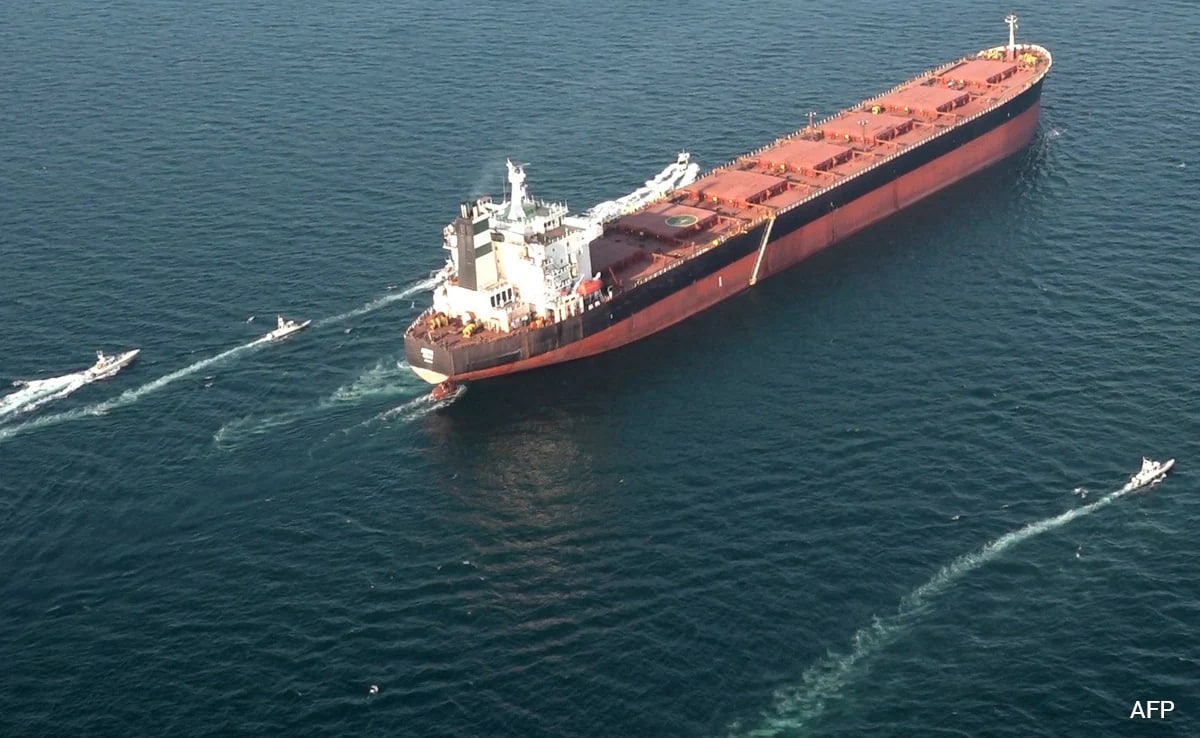
When the media reports on "seized vessels," they often omit the context of maritime law. Iran frequently uses "environmental violations" or "legal disputes" as a pretext for ship seizures. It is a game of maritime chess, not a wild-west shootout. The Indian government’s primary challenge isn't rescuing 23,000 people from a war zone; it’s navigating the diplomatic red tape of ship registries and flagging.
The Indian Seafarer is the Industry’s Backbone, Not its Victim
The narrative of the "helpless Indian sailor" is insulting to the expertise of these professionals. India provides roughly 10% of the global seafaring workforce. These are highly trained engineers, navigators, and officers. They are the most resilient part of the global supply chain.
I’ve worked with crews that have navigated the Gulf of Aden during the height of Somali piracy. They didn't view themselves as "stranded." They viewed themselves as professionals managing a high-stakes environment. By framing this as a "rescue mission" for the Indian government, we ignore the reality that the maritime industry is a private, multi-national machine that functions largely outside the direct control of any single nation-state.
The Real Danger: The "Dark Fleet" Complication
If you want to worry about something, stop worrying about the 23,000 documented sailors and start worrying about the Dark Fleet.
These are the vessels operating without standard insurance, with "spoofed" AIS (Automatic Identification System) signals, and crews that aren't protected by the ITWF. When an Indian sailor on a sanctioned tanker gets into trouble, there is no paper trail. There is no consular access.
The media focuses on the 23,000 because they are visible. The real crisis is the thousands more operating in the shadows of the Gulf who don't exist on any official ledger.
Stop Asking "When Will They Be Saved?"
The premise of the question is flawed. They don't need "saving" in the cinematic sense. They need stable insurance markets and clear diplomatic channels.
When the public demands "action," governments often respond with naval escorts. While this looks great on the news, it often increases tension. A heavy naval presence in the Strait can lead to miscalculations and accidental engagements. The safest thing for those 23,000 sailors isn't more warships; it’s less rhetoric.
The industry doesn't need a savior. It needs the media to stop treating maritime logistics like a Michael Bay movie.
The Bottom Line
The "23,000 stranded" narrative is a product of armchair analysts who have never looked at a charter party agreement.
- Shipping is continuing. Vessels are entering and exiting the Gulf every hour.
- Risk is managed. The financial and legal frameworks to handle "war risks" are decades old and functioning as intended.
- The sailors are professionals. They are staying on their ships because that is their job, and they are being paid a premium to do it.
Stop waiting for a mass evacuation that isn't coming. The global economy cannot afford for those 23,000 people to leave their posts, and they know it. The Strait of Hormuz is a high-pressure environment, but for the people on the water, it’s just another Tuesday at the office.
If you are waiting for the "war" to end to breathe a sigh of relief, you are in the wrong business. The tension is the point. The friction is where the profit lives. The sailors are still there because the world needs the oil, and they need the paycheck. Everything else is just noise.
Get off the "stranded" bandwagon. Start looking at the insurance premiums. When the P&I clubs stop covering the Gulf entirely—that is when you start counting the bodies. Until then, it's business as usual.