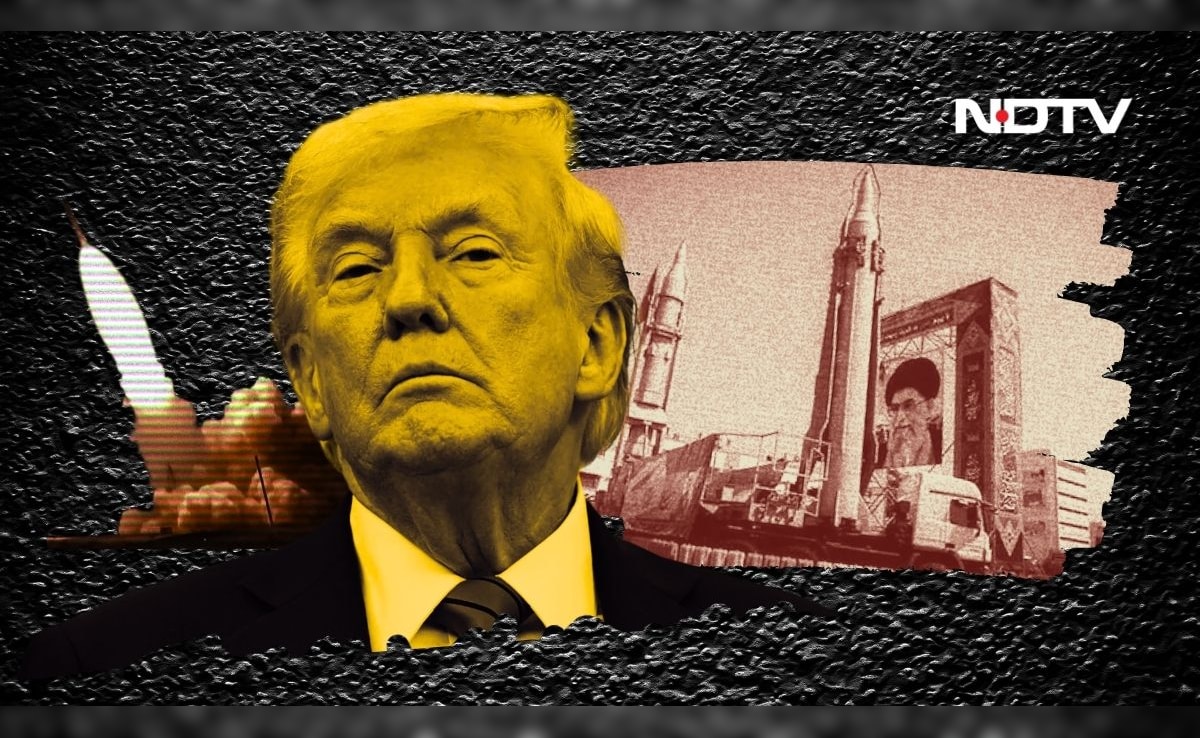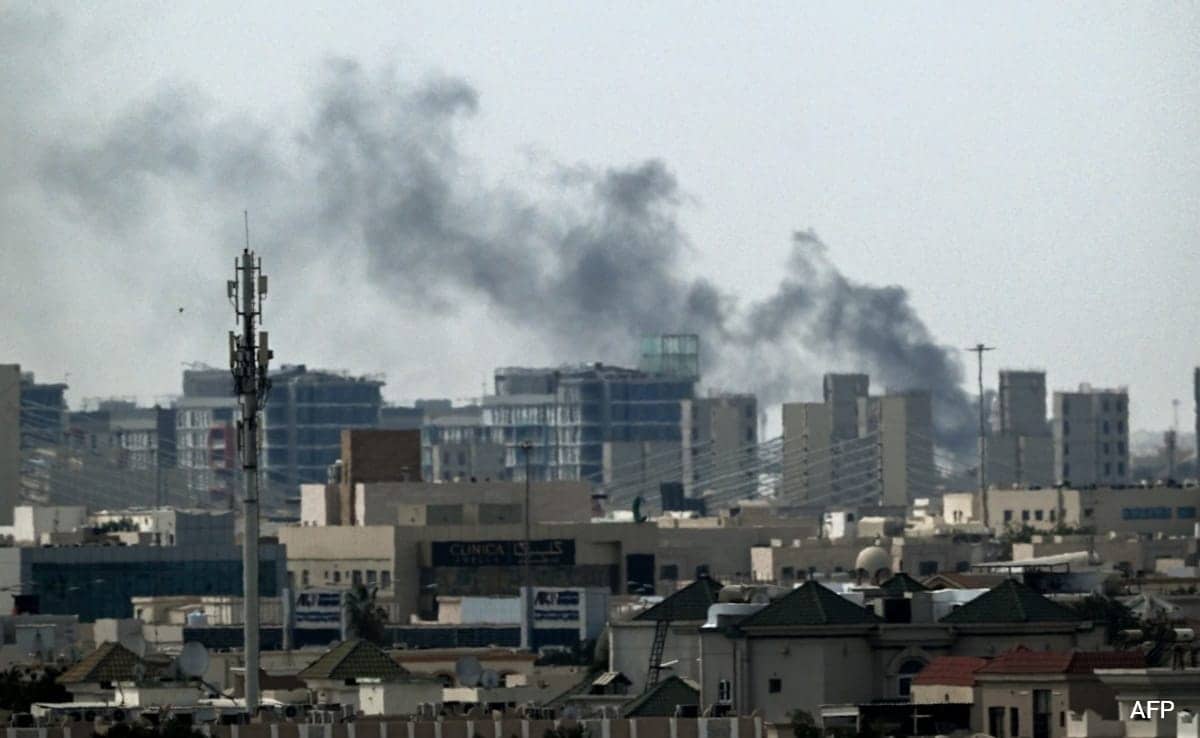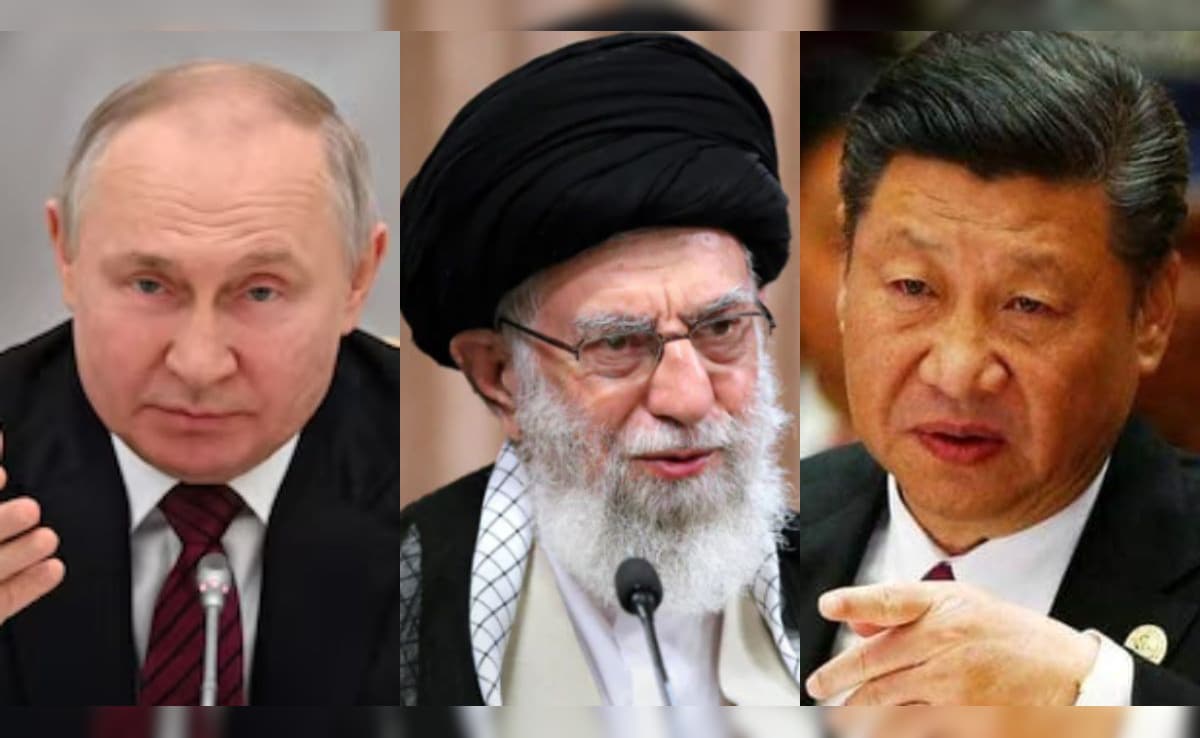
The idea of a "multipolar" military alliance between Russia, China, and Iran is one of the most successful marketing campaigns of the 21st century. It is also a mirage. While Western defense planners often lose sleep over the prospect of a triple-threat Eurasian bloc, the reality on the ground in Tehran is far more isolating. Russia and China have no intention of entering a hot war to save the Islamic Republic, and their reasons go far beyond simple cowardice or logistical hurdles.
China and Russia view Iran not as a peer or a protected ward, but as a high-utility friction point. Tehran is a tool used to bleed American resources and distract Washington from the South China Sea or the Ukrainian steppe. The moment that friction point threatens to ignite a regional conflagration that destabilizes global energy markets or triggers a nuclear exchange, the "limitless partnership" hits a hard ceiling. Moscow and Beijing are playing a game of strategic patience, and in that game, Iran is ultimately expendable.
The Myth of Mutual Defense
There is no "Article 5" for the East. Unlike NATO, which is bound by a treaty of collective defense, the agreements between Moscow, Beijing, and Tehran are largely focused on trade, technology transfers, and joint naval drills that look impressive on camera but lack deep command integration.
Russia is currently bogged down in a war of attrition in Ukraine that has stripped its domestic reserves and forced it to rely on Iranian drones. It is a transactional relationship. Putin is in no position to open a second front in the Middle East to defend an ally that is already providing him with the very hardware he lacks. For the Kremlin, a war involving Iran is only useful as long as it remains a "controlled" mess that keeps the U.S. occupied. A total collapse of the Iranian state would deprive Russia of a key weapons supplier and a southern sanctions-evasion route. However, intervening to prevent that collapse would be a suicide mission for a Russian military already stretched to its breaking point.
The Energy Equation
China's hesitation is even more calculated. Beijing is the world’s largest oil importer. While it enjoys discounted Iranian crude—largely paid for in yuan to bypass the dollar—it cannot risk a total blockage of the Strait of Hormuz.
If China were to openly join a war on Iran’s side, it would effectively be declaring war on its own energy supply chain. The Gulf monarchies, particularly Saudi Arabia and the UAE, are far more critical to China’s long-term "Belt and Road" ambitions than a pariah state in Tehran. Beijing has spent years positioning itself as the "adult in the room," mediating deals like the Saudi-Iran rapprochement. Jumping into a trench with the IRGC would destroy decades of diplomatic groundwork in the Arab world.
Selling Weapons But Not Souls
The technical cooperation between these nations is often mistaken for military alliance. China provides Iran with surveillance technology, missile components, and satellite data. Russia provides Su-35 fighter jets and potentially S-400 missile defense systems. These are business transactions.
For the Chinese defense industry, Iran is a massive laboratory. It is a place where they can see how their electronic warfare suites and drone designs perform against Western-tier equipment without risking a single Chinese life. But there is a massive gap between selling a man a sword and fighting his duel for him. Beijing’s military doctrine remains focused on "active defense" of its immediate periphery. Projecting power into the Persian Gulf to protect a non-treaty ally is not just outside their current capability; it is outside their current philosophy.
Financial Fear and Sanction Shadows
The Chinese banking system is deeply integrated into the global financial order, regardless of how much they talk about "de-dollarization." The major Chinese state-owned banks have consistently shown that they value access to the US dollar and the SWIFT system over their friendship with sanctioned entities.
When the U.S. Treasury Department barks, Chinese banks usually bite. They have repeatedly frozen Iranian accounts or restricted trade to avoid secondary sanctions. This financial reality creates a glass floor. Beijing will buy Iranian oil through "teapots"—small, independent refineries that have no exposure to the U.S. market—but the Chinese government will not tether its entire economy to a sinking Iranian ship.
The Ghost of the Soviet Afghan Failure
Moscow remembers the 1980s. They remember what happens when a superpower gets dragged into a Middle Eastern quagmire by an ideologically driven partner. The Russian elite views the Iranian leadership with a mix of respect for their resilience and deep suspicion of their religious fervor.
There is also the "Israel factor." Russia and Israel have maintained a complex, often begrudgingly functional relationship in Syria for years. Putin has allowed Israeli jets to strike Iranian positions in Syria to maintain a balance of power. If Russia were to fully align with Iran in a total war, it would lose its leverage as a power broker in the Levant. For the Kremlin, being the "mediator" who can talk to everyone is worth more than being the "ally" who can only talk to one.
Information Warfare and the Illusion of Unity
If you follow state media from Moscow or Tehran, you will see a constant stream of "joint exercises" and "strategic pivots." This is a deliberate psychological operation designed to project a united front. The goal is to make the West believe that any strike on Iran is a strike on a nuclear-armed bloc.
It is a bluff.
The joint naval exercises in the Gulf of Oman are carefully choreographed. They involve basic communications drills and search-and-rescue simulations. They do not involve the kind of sophisticated data-link sharing or integrated air defense that would be required for a real coalition war. These ships sail together for the photographers, then return to their respective corners of the world.
The Domestic Constraint
Both Xi Jinping and Vladimir Putin face significant domestic pressures that make a Middle Eastern war unthinkable. Xi is dealing with a cooling economy and a demographic crisis that makes "voluntary" wars of choice extremely unpopular. Putin is already burning through his "National Wealth Fund" to keep the ruble from cratering. Neither leader has the political capital to explain to their people why their sons are dying for the survival of a theocracy in Tehran.
The Reality of Geographic Isolation
Geography is the silent killer of the Russo-Sino-Iranian alliance. Russia and China are connected by a massive landmass, but Iran is effectively an island. It is surrounded by American bases in Qatar, Bahrain, and the UAE, and blocked to the north by the Caucasus and the Central Asian states that are increasingly wary of Russian influence.
Moving significant military assets into Iran to defend it would require overflight permissions that wouldn't be granted and maritime routes that are controlled by the U.S. Navy. Without the ability to sustain a supply line, any Russian or Chinese intervention would be a tactical dead end.
The Silent Proxy Strategy
We should expect more of the same: "gray zone" support. China will continue to provide the cash that keeps the Iranian economy on life support. Russia will continue to provide the technical expertise to keep Iranian missiles flying. They will do this not because they love the Iranian regime, but because a weak, aggressive Iran is a headache for the West.
A "strong" Iran, however, or a "defeated" Iran, are both outcomes that Moscow and Beijing want to avoid. They want Iran exactly where it is: in a state of permanent, low-boil tension with the United States. This keeps oil prices stable enough for Russia to profit and distracted enough for China to continue its expansion in the Pacific.
The moment the Iranian leadership mistakes this "strategic support" for a "suicide pact," they will find themselves standing very much alone. History is littered with minor powers that thought they were the center of a great power’s world, only to find they were merely a pawn on the board. Tehran is no different.
If you are waiting for a Chinese carrier group to steam into the Persian Gulf or Russian paratroopers to land in Tehran to stop a Western intervention, you will be waiting a long time. The "Alliance of the East" is a marriage of convenience, and in the world of high-stakes geopolitics, convenience ends where a bullet starts.
Would you like me to analyze the specific trade volume figures between these three nations to show where the financial "breaking points" actually lie?