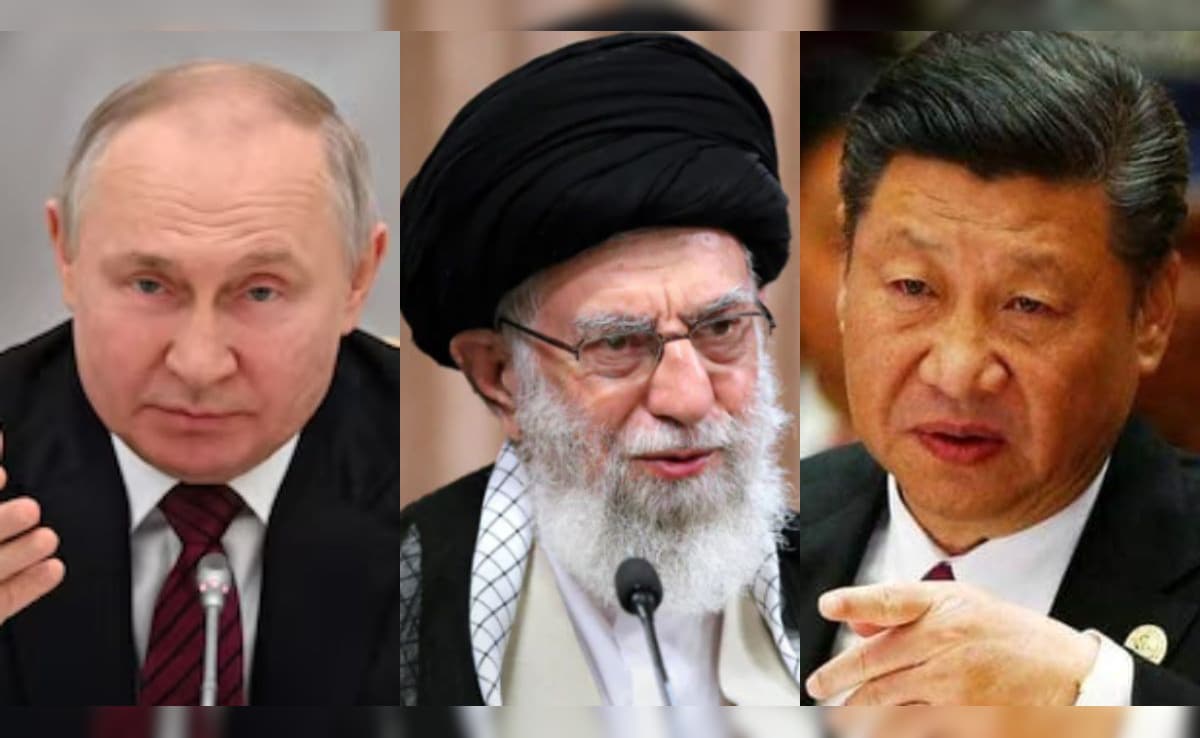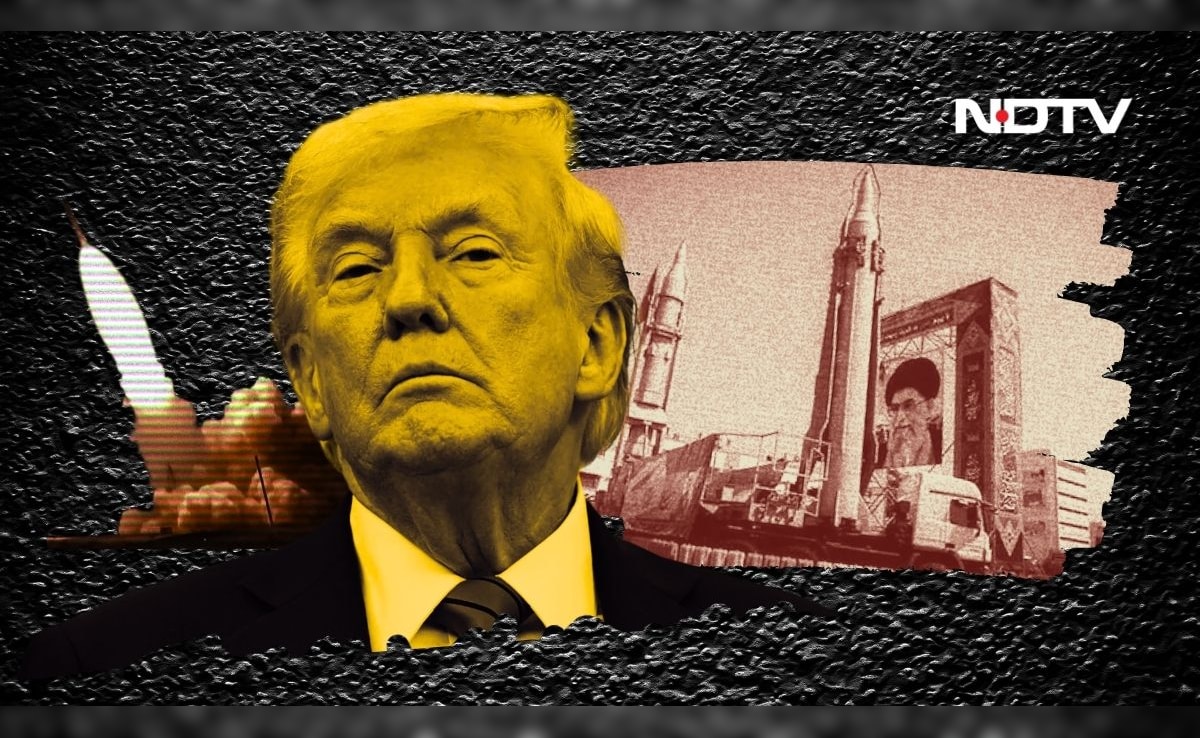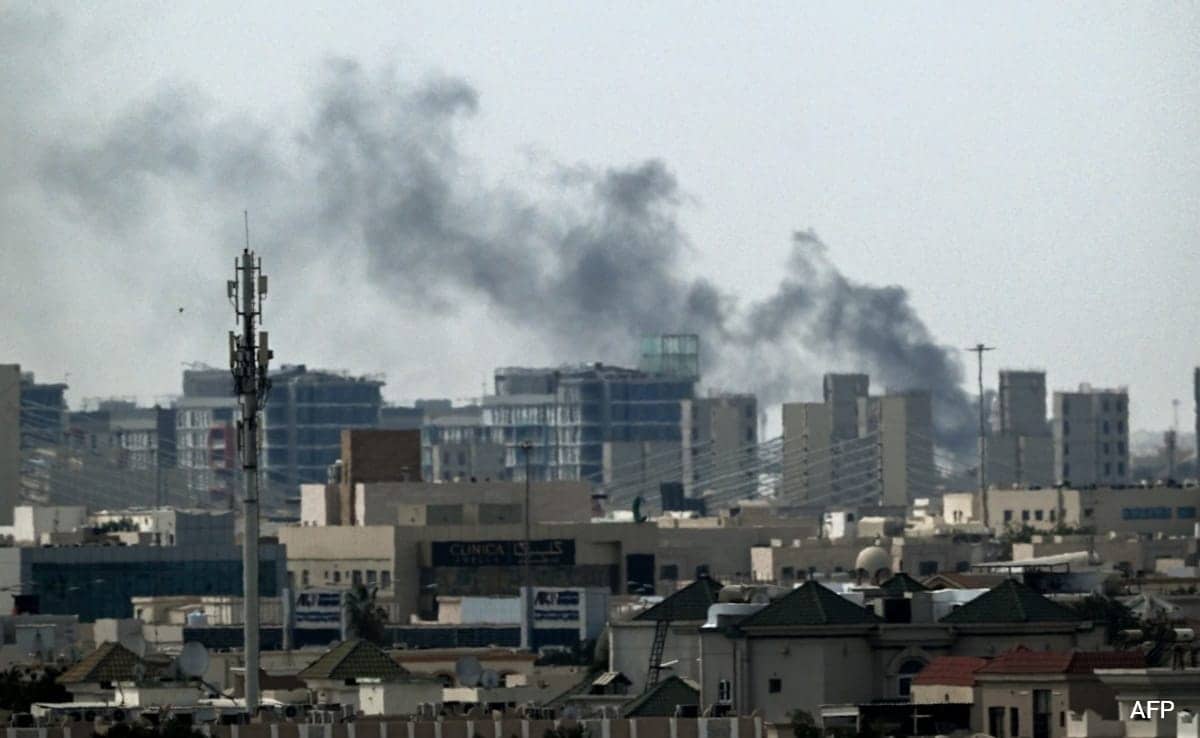
The myth of the iron-clad Gulf sky evaporated this week over the industrial zones of Abu Dhabi and the skyline of Doha. While regional headlines focus on the successful "interception" of Iranian-launched drones and missiles, the reality on the ground is a mess of falling titanium and shattered glass. On Thursday, debris from a neutralized drone slammed into the ICAD 2 industrial area in Abu Dhabi, wounding six migrant workers from Nepal and Pakistan. Simultaneously, a series of dull thuds echoed across Doha as Qatari batteries scrambled to meet incoming fire. This is not a drill, and it is no longer just a "border incident." It is a systemic failure of the region’s long-held promise that wealth could buy total immunity from a neighbor's collapse.
The primary query for those watching the smoke rise is simple: how can "successful" air defenses still leave six people bleeding in an industrial park? The answer lies in the physics of modern interception that most official statements conveniently ignore. When a Patriot missile or a THAAD interceptor meets a Shahed-class suicide drone, the kinetic energy does not vanish. It is redistributed. We are seeing a "shrapnel rain" effect where the victory of the defense battery becomes the misfortune of the neighborhood directly beneath the kill box.
The Myth of the Clean Kill
In the high-stakes theater of Gulf security, there is no such thing as a clean kill. Investigative looks into the recent strikes reveal that Iran is deliberately utilizing "saturation" tactics. By launching a mix of slow-moving drones and high-velocity ballistic missiles, they force air defense systems like the UAE’s "Terminal High Altitude Area Defense" to make split-second calculations on what to kill and where.
If you shoot down a drone at 5,000 feet directly over a populated logistics hub, the debris footprint can span several kilometers. In Abu Dhabi, the six casualties were not hit by an Iranian warhead; they were hit by the shredded remains of the drone and the interceptor itself. This raises a grim secondary question: are the air defenses protecting the targets, or simply choosing who gets hit by the leftovers?
Why Doha and Abu Dhabi Are Vulnerable Now
For years, the Gulf states operated under the assumption that their role as global energy hubs and hosts to U.S. military assets (like Al Udeid in Qatar or Al Dhafra in the UAE) made them untouchable. That calculation changed on February 28, 2026, when joint U.S.-Israeli strikes decimated the Iranian leadership.
Tehran’s response has been to turn the entire Persian Gulf into a free-fire zone. They are no longer targeting just the military hangers at Al Dhafra. They are going after the soft underbelly of the Gulf's "Golden Age."
- Data Centers: Earlier this week, a drone strike hit an Amazon Web Services facility in the UAE. It was a surgical strike designed to paralyze the digital economy.
- Logistics Hubs: By targeting the ICAD 2 area, the message is sent to the global workforce that the industrial zones powering the region’s diversification are no longer safe.
- Aviation: The closure of Dubai International and Hamad International airports isn't just a precaution; it’s a realization that a $400 million A380 is an easy target for a $20,000 drone.
The Asymmetric Math
Consider the math. A single Iranian Shahed drone costs less than a used sedan. The interceptors used to bring them down cost upwards of $2 million per shot. Iran is not trying to "win" a traditional war; they are trying to bankrupt the Gulf’s security model through attrition.
While the UAE Ministry of Defence claims to have intercepted over 1,100 drones and 180 missiles in the last week, the sheer volume is beginning to show the cracks. In Doha, the "security threat eliminated" alerts sent to residents' phones are becoming a daily ritual. But you cannot eliminate a threat that is launched from a mobile truck 200 miles away across the water.
The overlooked factor here is the "foreign national" demographic. Nine out of ten people in the UAE are expats. They are the doctors, the engineers, and the construction workers. If the "shrapnel rain" continues, the exodus of this vital workforce will do more damage to the Gulf's future than any Iranian warhead ever could.
The strategy of relying on expensive, Western-made missile shields to protect hyper-dense urban centers is facing its first real-world stress test. It is failing the "zero-casualty" requirement. As long as the sky is filled with thousands of pounds of falling metal every time a siren goes off, the concept of a "safe haven" in the Middle East remains a memory of the pre-2026 era.
Check your local emergency app for the nearest reinforced shelter location and ensure your data is backed up to servers outside the immediate Gulf region.