The romanticism of the "Roti-Beti" relationship is a geopolitical sedative. We have been told for decades that India and Nepal are inseparable because of shared kitchens and marriages. This narrative is not just tired; it is dangerous. It masks a widening structural rift that no amount of wedding invitations can fix. While sentimentalists in Delhi and Kathmandu toast to ancient ties, the ground reality has shifted toward a cold, transactional future.
The "Roti-Beti" (bread and daughter) trope suggests that because people eat together and marry across the border, the nations are essentially one soul in two bodies. I have spent years tracking these cross-border flows, and I can tell you: the soul has left the building. Today’s friction isn't a misunderstanding. It is a fundamental realignment of two sovereign states that are finally outgrowing their "special" childhood.
The Myth of the Open Border as a Gift
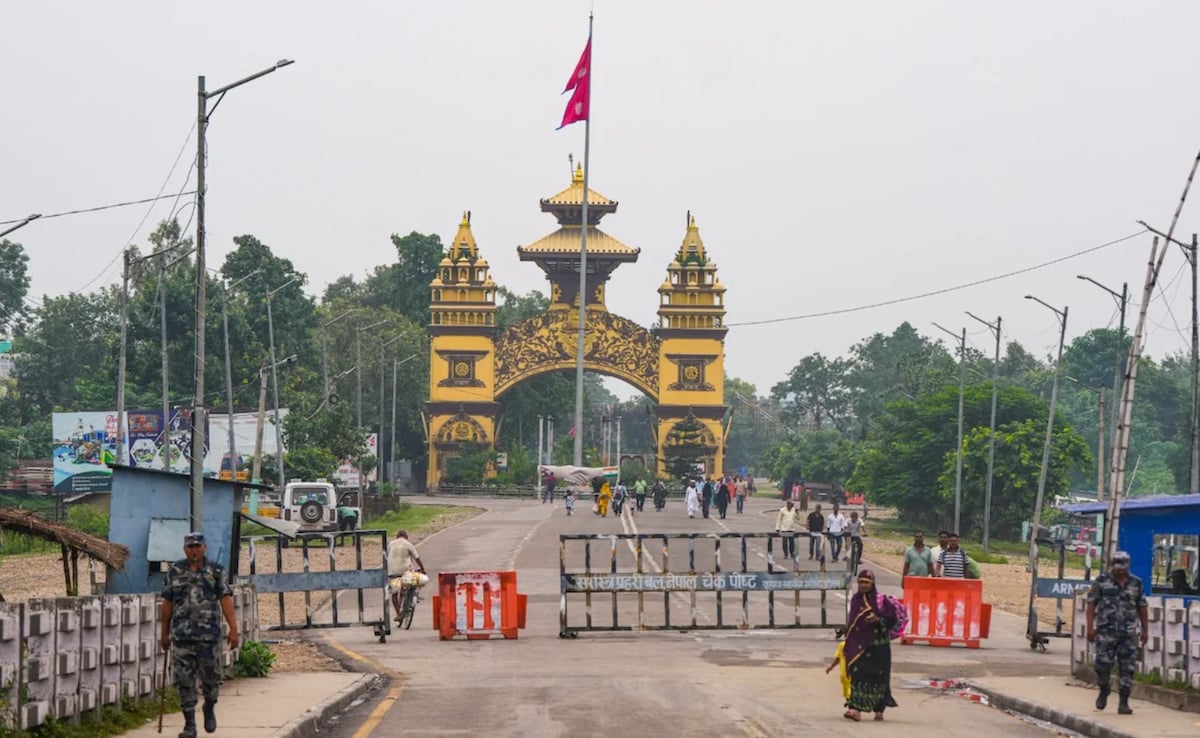
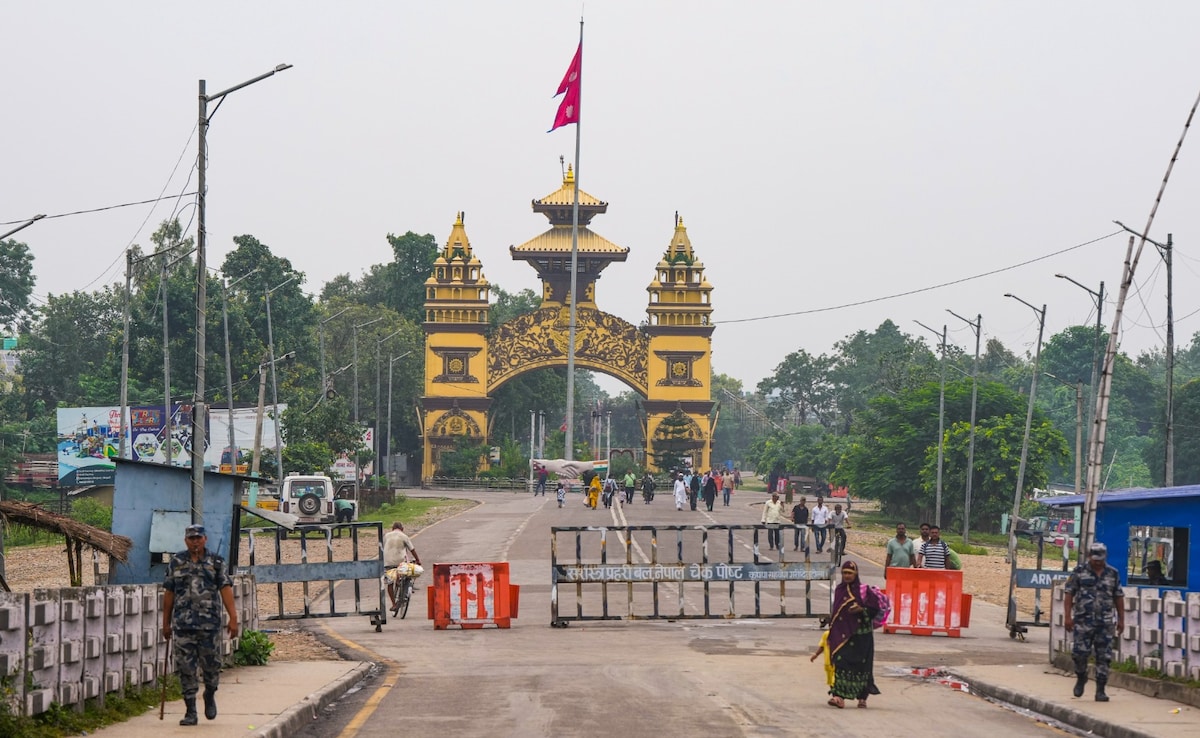
Most analysts treat the 1950 Treaty of Peace and Friendship as a benevolent foundation. They are wrong. It is a relic of a colonial hangover that serves neither party in the 21st century. The open border, often cited as the ultimate proof of the Roti-Beti bond, has become a source of systemic insecurity.
For India, it is a sieve for smuggling, human trafficking, and "third-party" intelligence operations. For Nepal, it is a psychological weight—a constant reminder of an asymmetrical power dynamic that hinders its own industrial growth. We talk about "unrestricted movement" as a luxury, but for a small economy, it often means being a captive market for a giant neighbor.
When people ask, "Why can't India and Nepal just get along?" they are asking the wrong question. The right question is: "Why are we pretending the 1950s never ended?"
The Demographic Delusion
The "Beti" part of the equation is crumbling under the weight of modern migration patterns. Historically, marriages between Bihar/Uttar Pradesh and the Nepal plains (Madhesh) were the glue. But look at the data, not the folk songs.
The youth in Nepal are no longer looking south for their future. They are looking to the Gulf, Japan, and South Korea. Remittance from these regions has overtaken the economic significance of the traditional Indian labor market. When the "Roti" comes from Qatar and the "Beti" is getting an IT degree in Sydney, the old cross-border marriage alliances become a nostalgic footnote rather than a geopolitical pillar.
The Rise of Digital Sovereignty
While we argue about maps and Kalapani, a much more significant border is being built: the digital one. Nepal is diversifying its internet gateways. The monopoly India once held over Nepal's connectivity is being challenged by Chinese fiber optics.
- Connectivity: It is no longer just about roads; it is about bandwidth.
- Energy: Nepal is moving from a desperate importer to a seasonal exporter of electricity, changing the "big brother" energy dynamic.
- Currency: The peg between the Nepalese Rupee (NPR) and the Indian Rupee (INR) is a ticking time bomb.
If you think a shared religion or a common script can stop a nation from seeking financial and digital independence, you haven't been paying attention to the last century of global history.
Stop Treating Nepal Like a Buffer State
India's biggest mistake is the "Security First" lens. Every time Nepal signs a deal with a third country, Delhi panics. This insecurity is the fastest way to kill the Roti-Beti sentiment. You cannot claim someone is your family while vetting every person who walks into their house.
The "lazy consensus" is that Nepal is "tilting toward China." This is a lazy reading. Nepal is tilting toward itself. It is a natural evolution. Any landlocked nation with two massive neighbors would be foolish not to play them against each other for the best deal. It isn't "anti-India"; it is "pro-survival."
Imagine a scenario where India treats Nepal not as a cultural extension of itself, but as a completely foreign, sovereign entity. Counter-intuitively, this would actually improve the relationship. High fences make good neighbors. Formalizing the border—not necessarily closing it, but regulating it—would remove the "big brother" friction and replace it with a professional, bilateral partnership.
The Agnipath Aftershock
If you want to see where the Roti-Beti bond actually snapped, look at the Gorkha recruitment issue. For nearly two centuries, the Gorkhas have been the ultimate symbol of this intertwined destiny. Then came the Agnipath scheme—India's move to short-term military contracts.
Nepal halted recruitment. The ripple effect wasn't just about jobs; it was about the perceived devaluation of a blood-debt. You cannot unilaterally change the terms of a century-old military tradition and expect the "brotherhood" rhetoric to survive the weekend. This is the "battle scar" that Delhi's policy makers seem to underestimate. It wasn't just a policy tweak; it was a signal that the "special relationship" is now subject to the whims of domestic Indian budgeting.
The Economic Asymmetry Trap
The trade deficit is the elephant in the room that "Roti-Beti" proponents love to ignore. Nepal’s trade deficit with India is staggering. When one partner is the primary source of all goods and the other has a dying manufacturing base, "intertwined" is just another word for "dependent."
| Sector | Nature of Relationship | The Reality Check |
|---|---|---|
| Trade | Interdependent | 90% deficit in India's favor |
| Culture | Shared heritage | Growing "Pahadi" nationalism in Nepal |
| Water | Joint management | Deep mistrust over flood control and dams |
| Labor | Open access | Declining preference for Indian jobs among Nepali youth |
The hard truth? The "Roti" is getting stale. Nepal’s middle class wants infrastructure, high-speed rail, and tech investment. They don't want another speech about how we are "same-same."
The Myth of Religious Unity
"But we are both Hindu-majority nations!" This is the ultimate fallback for the unimaginative. It fails to account for the fierce secularism and diverse ethnic identities within Nepal. Using religion as a diplomatic tool often backfires, as it feels like an imposition of the "Hindutva" brand onto a Nepali landscape that has its own unique, syncretic religious identity.
The moment you try to use culture as a leash, the dog bites.
Kill the Sentiment, Save the Relationship
We need to stop talking about "special ties" and start talking about "standardized ties."
- Regulate the Border: Move away from the chaotic "open" status to a tracked, biometric system. It reduces security paranoia for India and gives Nepal a sense of defined sovereignty.
- Diversify Investments: India needs to compete with China on merit (speed and quality of projects), not on "we gave you shelter in 1950" guilt trips.
- Respect the Transit: Nepal’s right to sea access is not a favor granted by India; it is an international right. Treating it as a bargaining chip only pushes Nepal further into the arms of others.
The "Roti-Beti" era was a beautiful, functional reality for the 20th century. But we are twenty-six years into the 21st. The kids have grown up. They have moved out. They are dating other people.
Stop trying to fix the relationship by looking in the rearview mirror. The nostalgia is the obstacle. The shared kitchen is closed. It is time to build two separate, modern houses that share a very clean, very professional fence.
Accept the divorce of identities so that a partnership of equals can actually begin.