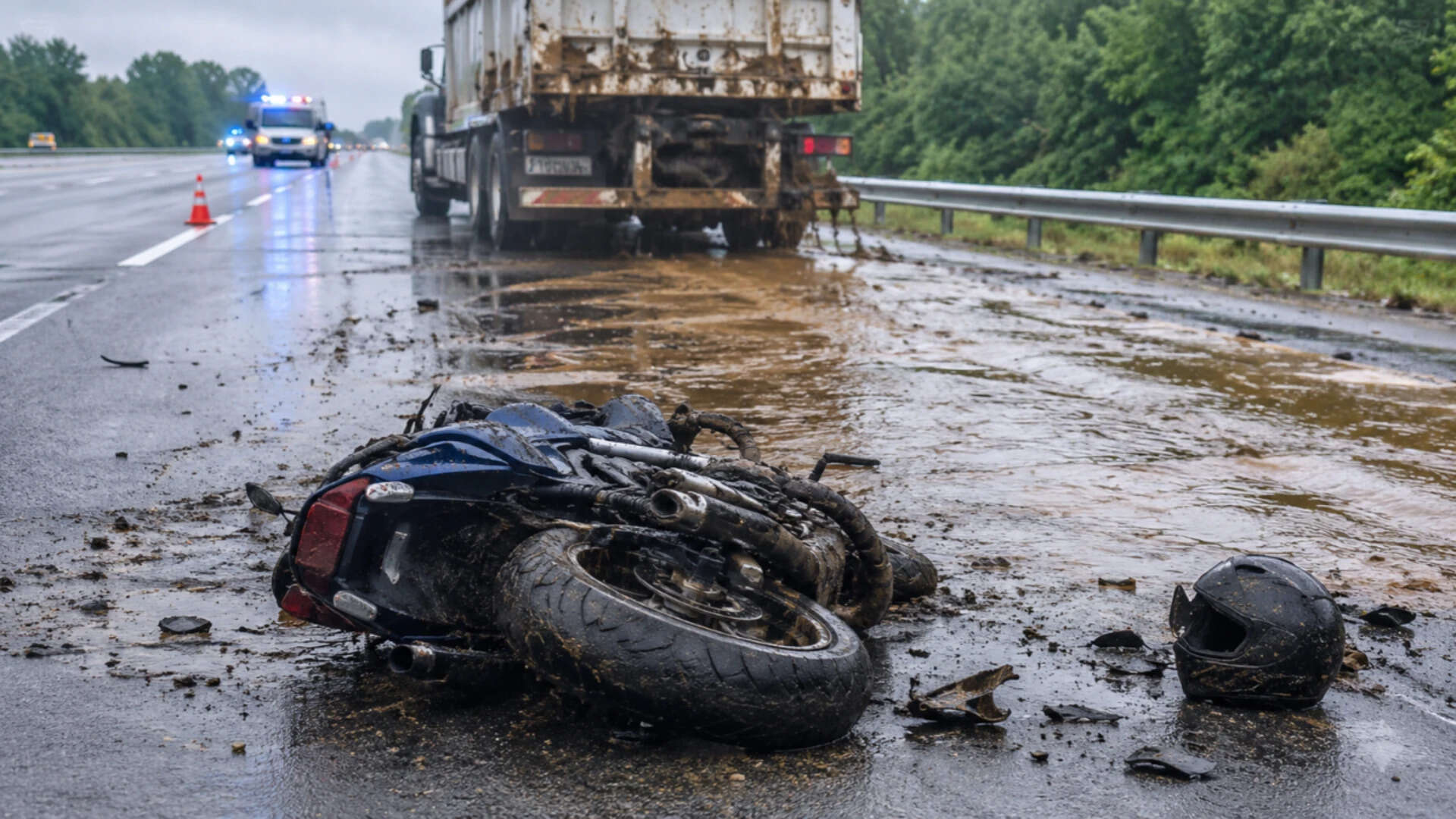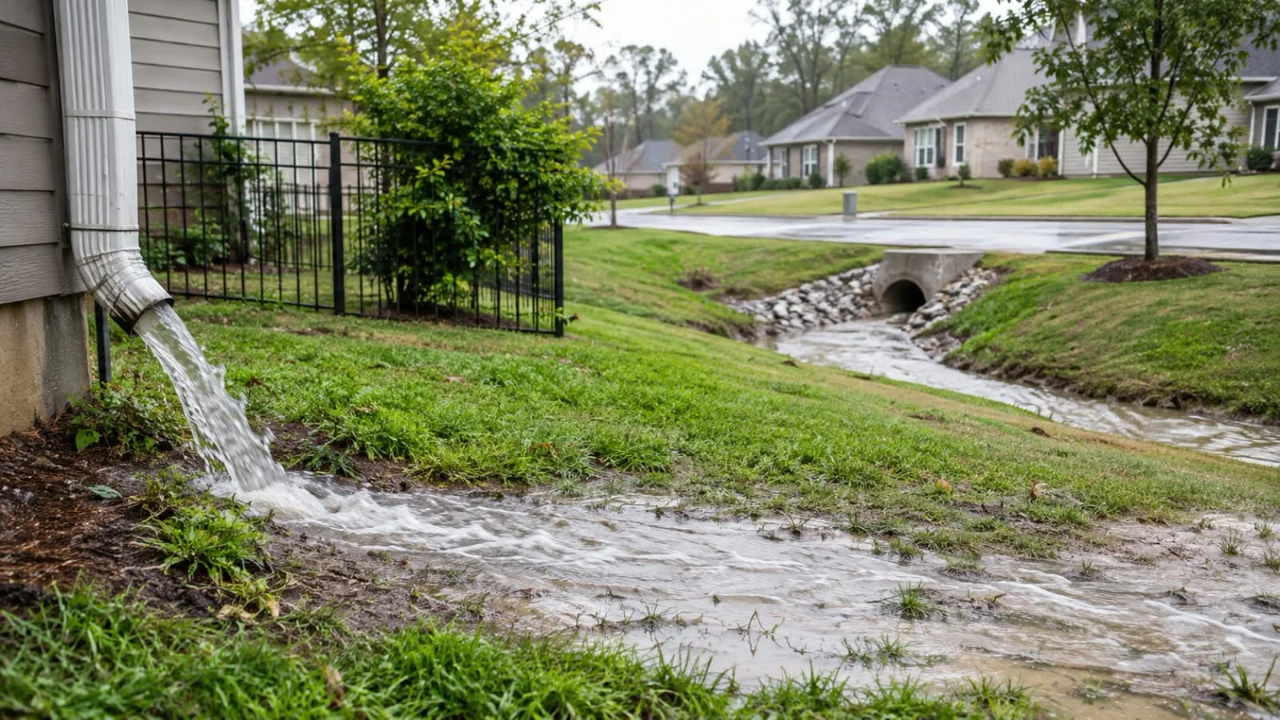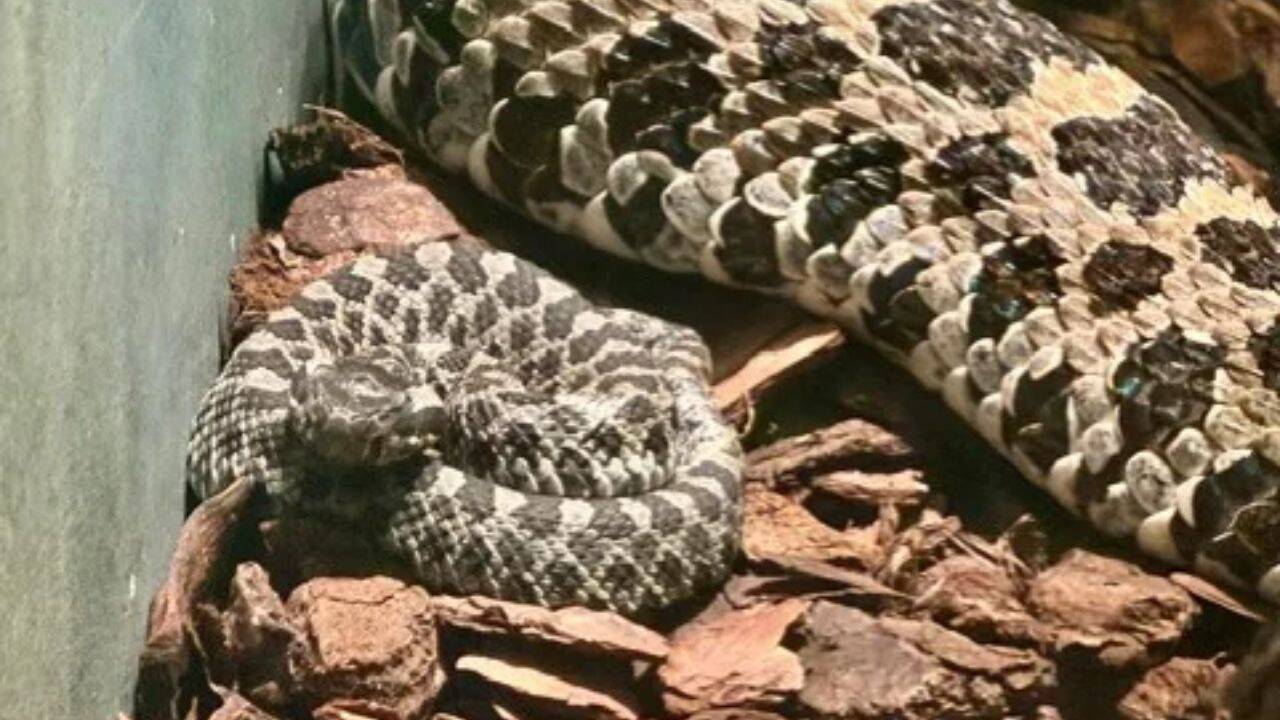
Nine baby snakes in a glass box will not save a dying species.
Every few years, a major metropolitan zoo announces a captive breeding breakthrough. This time, the headlines are celebrating a Chicago zoo where an endangered Eastern Massasauga rattlesnake (Sistrurus catenatus) gave birth to nine young after a decade-long drought. The local press loves it. Donors love it. The public clicks, smiles at photos of tiny coiled reptiles, and feels a warm rush of optimism about wildlife conservation. In related updates, take a look at: Why the Indiana Court Ruling on Crooked Lake Shared Access Destroys Property Rights.
That optimism is a trap.
I have spent years watching conservation organizations pour staggering sums of money into high-profile captive propagation while the actual dirt those animals need to survive gets paved over for strip malls and drained for agriculture. Celebrating nine captive-born rattlesnakes without confronting the brutal reality of habitat destruction is like admiring the fresh paint on a house while the foundation washes into the sea. TIME has provided coverage on this fascinating topic in great detail.
If we want to talk honestly about saving the Eastern Massasauga, we need to stop applauding the nursery and start looking at the graveyard outside the zoo walls.
The Seductive Lie of the Ark
The prevailing consensus in mainstream wildlife media relies on the "Noah's Ark" fallacy. The logic goes like this: if wild populations crash, accredited zoos can breed the survivors in climate-controlled enclosures, preserve their genetics, and eventually release them back into the wild.
On paper, it sounds heroic. In practice, captive breeding for reptiles—and pit vipers specifically—is a logistical, behavioral, and genetic minefield.
Consider what happened in Chicago. It took ten years to produce a single litter of nine neonates. In the wild, a healthy female Eastern Massasauga reaches sexual maturity around three to four years of age and typically produces litters of five to twenty young every one to two years. A decade-long wait for nine snakes is not a triumph of modern husbandry; it is a stark reminder of how notoriously difficult these animals are to coax into reproducing under artificial conditions.
Even when zoos succeed in producing offspring, the hard work has barely begun. You cannot simply dump captive-bred rattlesnakes into a Midwestern marsh and wish them luck.
- Loss of survival instincts: Snakes raised on pre-killed mice in sterile tubs do not know how to hunt live voles, evade red-tailed hawks, or navigate complex subterranean crayfish burrows to survive a brutal Illinois winter.
- Microbiome and immune deficits: Captive environments lack the natural pathogens and soil microbes that prime a wild reptile's immune system. Releasing naive animals into the wild often exposes them to fatal fungal infections, such as Snake Fungal Disease (Ophidiomyces ophiodiicola), which has devastated wild pit viper populations across North America.
- The real estate shortage: Where exactly are these nine snakes supposed to go? The Eastern Massasauga is listed as threatened under the U.S. Endangered Species Act precisely because over 80 percent of the wet prairies, sedge meadows, and peatlands it relies on have been destroyed.
Breeding endangered animals when there is nowhere left to put them is not conservation. It is museum curation with a pulse.
What the Headlines Refuse to Explain About Massasauga Biology
To understand why the media narrative around this birth is so skewed, you have to understand the biology of the animal itself. The Eastern Massasauga is not an apex predator roaming vast territories like a wolf or a grizzly bear. It is a small, thick-bodied pit viper—rarely exceeding two feet in length—that lives a life of extreme specialization.
These snakes are wetland obligates. They depend on a hyper-specific hydrological cycle. During the spring and summer, they bask in open, sunny meadows adjacent to wetlands, ambushing small rodents. When autumn arrives, they must retreat below the frost line, typically hibernating individually inside the water-filled burrows dug by terrestrial crayfish.
If the water table drops too low during winter, the snake freezes to death. If the water table rises too high during a flood, the snake drowns. If invasive woody shrubs like buckthorn or autumn olive shade out the open meadow, gravid females cannot thermoregulate properly to incubate their developing embryos—remember, rattlesnakes are ovoviviparous, meaning they retain their eggs internally and give birth to live young.
Now, look at what happens in the real world. When developers drain a wetland to build a housing subdivision, or when agricultural runoff alters the water table of a neighboring nature preserve, the hydrological balance collapses. Fire suppression policies allow trees to invade open prairies, cooling the ground temperature below what a pregnant Massasauga needs to bring a litter to term.
A zoo can replicate temperature gradients with heat lamps and mimic humidity with misting systems. It can manage a Species Survival Plan (SSP) studbook to minimize inbreeding depression across accredited institutions. What a zoo cannot do is stop suburban sprawl in Cook County or restore natural fire regimes across fragmented state parks.
Dismantling the Wrong Questions
When news of a rare zoo birth hits the public, search engines flood with predictable questions. Most of them miss the point entirely.
Are Eastern Massasauga rattlesnakes dangerous to humans?
Let's deal with the fearmongering first. Yes, the Massasauga is venomous. Its venom contains cytotoxic enzymes that destroy tissue and disrupt blood clotting. However, its fangs are tiny—barely a quarter-inch long—and its venom yield is a fraction of what a Timber or Eastern Diamondback rattlesnake delivers. More importantly, these snakes are notoriously shy. Their primary defense mechanism is freezing in place and relying on their camouflage. Most bites occur only when someone actively tries to pick one up or step on it. Statistically, you are in far greater danger driving to the zoo than walking through Massasauga habitat.
Does a birth of nine snakes mean the species is recovering?
Not even remotely. Wild populations of the Eastern Massasauga have been extirpated from most of their historic range in Illinois, Iowa, Indiana, and Pennsylvania. In Illinois, only a handful of isolated populations remain, clinging to survival on fragmented patches of public land. Nine snakes in a zoo exhibit represent a statistical rounding error, not a demographic rebound.
Why don't conservationists just relocate wild snakes to zoos?
Pulling healthy adults out of the wild to stock captive breeding programs is a last-ditch desperation move, often called "salvage." Every breeding adult removed from an already shrinking wild population reduces that wild group's genetic diversity and reproductive potential. Organizations like the U.S. Fish and Wildlife Service and the Association of Zoos and Aquariums (AZA) treat captive assurance colonies as a genetic safety net, not a replacement for wild populations.
The Uncomfortable Truth About Conservation Economics
If captive breeding is so limited in its ability to restore wild populations, why does it get 90 percent of the media oxygen?
Follow the money and the optics.
Raising millions of dollars to buy a degraded, mosquito-infested swamp in rural Illinois and spend twenty years pulling invasive weeds and setting controlled burns is a terrible marketing pitch. There are no cute baby animals to put on a billboard. The results take decades to materialize, and the public never sees them because sensitive wetland habitats have to be protected from foot traffic.
Conversely, a newborn rattlesnake behind glass is pure fundraising gold. It generates press releases, drives ticket sales, and gives corporate sponsors a tangible win they can put in an annual report.
I have watched conservation boards argue for hours over funding a $50,000 habitat restoration grant—money that would clear fifty acres of invasive brush and immediately improve wild breeding success—while simultaneously rubber-stamping multi-million-dollar exhibit renovations that house fewer than a dozen reptiles.
Zoos are not the villains here. Institutions like Lincoln Park Zoo and Brookfield Zoo employ brilliant herpetologists and veterinarians who dedicate their lives to advancing our understanding of reptile physiology, endocrinology, and disease pathology. The veterinary techniques developed to keep those nine baby snakes alive will genuinely help field biologists treat sick wild snakes.
The failure lies in how we—the media, the public, and policymakers—consume the story. We treat the press release as the finish line. Once the cute photos make the evening news, everyone moves on, satisfied that the experts have the situation under control.
The Hard Trade-Offs Nobody Wants to Own
Let's be brutally honest about the downside of shifting our obsession away from captive breeding and back toward aggressive habitat preservation: it requires telling powerful people "no."
Saving the Eastern Massasauga in the wild means halting lucrative commercial real estate projects. It means restricting agricultural drainage tiles. It means imposing strict zoning laws around wetlands and forcing municipalities to accept prescribed burns—complete with smoke complaints from nearby neighborhoods—to keep prairies open and sunny.
It also comes with zero guarantees. You can spend millions restoring a wetland, reintroduce captive-bred snakes carefully conditioned for the wild, and still watch a single freak winter flood or an outbreak of Snake Fungal Disease wipe out five years of progress. Captive breeding offers control; wild conservation demands accepting chaos.
What Real Action Actually Looks Like
If you actually care about whether the Eastern Massasauga rattlesnake exists in the wild fifty years from now, stop measuring success by zoo birth announcements. Shift your attention—and your wallet—to the unglamorous work happening in the mud.
- Fund land trusts, not just exhibits. Organizations like The Nature Conservancy, Openlands, and local county forest preserve foundations directly acquire and buffer wetland habitats. An acre of preserved wet prairie does more for the long-term survival of native reptiles than a dozen glass terrariums.
- Support prescribed fire programs. Prairie ecosystems evolved with fire. Without regular, controlled burns, woody vegetation chokes out the sunlight reptiles need to survive. Back state and local conservation agencies when they push for burn permits, even when neighbors complain about the smoke.
- Demand wetland buffer laws. A preserved marsh surrounded by parking lots is a death trap. Runoff carries road salt, pesticides, and fertilizers straight into the water table, poisoning amphibians and altering the crayfish populations that rattlesnakes rely on for winter shelter. Advocate for strict municipal ordinances requiring wide, undeveloped buffer zones around all remaining wetlands.
- Judge zoos by their field work, not their nurseries. Before donating to a zoological society, look at their budget breakdown. Ask how much funding goes directly toward in-situ conservation—boots-on-the-ground habitat restoration, wild population monitoring, and land acquisition—versus ex-situ exhibit maintenance.
Those nine newborn rattlesnakes in Chicago are remarkable little animals, and the keepers who coaxed them into existence deserve credit for their technical skill.
Keep the champagne on ice until those snakes have a wild, unpolluted, fire-managed swamp to call home.