Ian Huntley is dead. For many in the UK, those four words bring a cold sense of closure that’s been twenty-four years in the making. The 52-year-old Soham murderer died on Saturday, March 7, 2026, after spending over a week on life support following a brutal ambush at HMP Frankland.
This wasn't a peaceful passing. Huntley’s end was as violent as the reputation that followed him through the prison system. He was bludgeoned with a spiked metal pole in a prison workshop on February 26. The injuries were catastrophic—severe brain trauma and total blindness. Doctors gave him a five percent chance of survival, and honestly, it’s a miracle he lasted long enough for the life support to be switched off on Friday.
If you’re looking for a recap of why he was there, you know the story. It’s the one that stopped Britain in August 2002. Two 10-year-old girls, Holly Wells and Jessica Chapman, walked out of a family barbecue to buy sweets and never came home. Huntley, the school caretaker, lured them into his house and killed them. He then spent two weeks pretending to help the search, even giving TV interviews while the girls’ bodies lay in a ditch.
The hit that finally ended it
HMP Frankland is a "Category A" facility, meant for the most dangerous men in the country. It houses people like Levi Bellfield and Wayne Couzens. In a place like that, child killers sit at the absolute bottom of the social hierarchy. Huntley had a target on his back from the second he was processed.
The man suspected of the fatal blow is Anthony Russell, a 43-year-old triple murderer and rapist. Sources say Russell shouted "I've done it!" after the attack. It’s a grim reality of the UK prison system: attacking a high-profile child killer buys a certain type of "kudos" among the inmate population. Huntley was supposedly under close protection, but you can’t watch a man every second of every day in a workshop environment.
This wasn't the first time someone tried to take him out. In 2010, his throat was slashed by an inmate named Damien Fowkes, leaving a seven-inch scar and requiring 21 stitches. Before that, in 2005, another prisoner threw boiling water over him. He spent decades looking over his shoulder, and eventually, his luck—if you can call it that—ran out.
Why the Soham case still haunts us
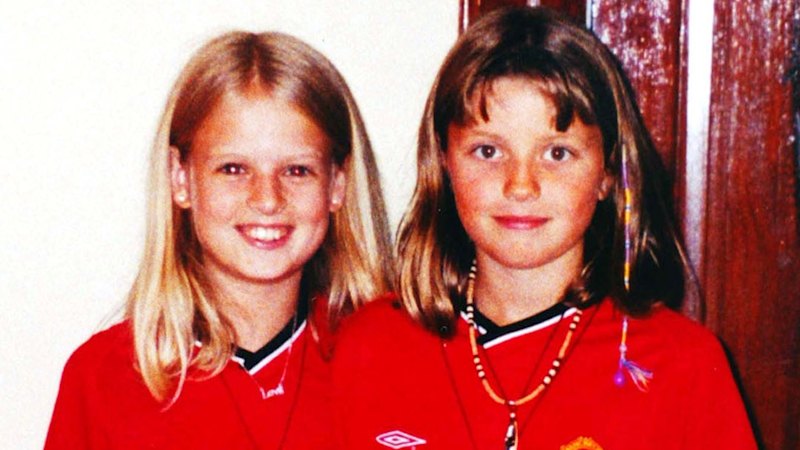
You have to understand the context of 2002 to realize why this death is such a massive news story today. Before the 24-hour social media cycle, the search for Holly and Jessica was a collective national trauma. The photo of them in their matching red Manchester United shirts became the defining image of lost innocence.
- The Deception: Huntley’s girlfriend, Maxine Carr, was the girls’ teaching assistant. She gave him a false alibi, claiming he was with her when he was actually disposing of remains.
- The Media Circus: Huntley used the cameras. He stood in front of news crews and talked about how "hope is fading," all while knowing exactly where the bodies were.
- The Investigation: The case led to massive changes in how schools vet staff. The "Bichard Inquiry" following the murders completely overhauled the UK’s DBS (Disclosure and Barring Service) checks.
Justice or a failure of the system
There’s always a debate when a high-profile prisoner is killed. Some say it's "poetic justice." Others argue that the state has a duty of care, even to monsters. If a man is sentenced to life, he’s supposed to serve that time in a cell, not be executed by a fellow inmate with a makeshift spike.
The Ministry of Justice released a brief statement noting that the murders remain "one of the most shocking and devastating cases in our nation's history." They didn't offer much sympathy for Huntley himself, focusing instead on the families of the victims. Huntley’s own daughter, Samantha Bryan, who only found out about her father's identity when she was 14, told the press there’s a "special place in hell" for him.
What happens next
Durham Constabulary is currently preparing a file for the Crown Prosecution Service. Anthony Russell is already serving a whole-life tariff for his previous crimes, meaning he'll never be released anyway. Whether or not he’s officially charged with Huntley’s murder might seem like a formality, but the legal process has to play out.
For the families of Holly Wells and Jessica Chapman, the news doesn't bring the girls back. It does, however, mean they no longer have to see Huntley’s name in the headlines every few years for a parole bid or a fresh appeal. The man who defined a generation's fear is finally gone.
If you’re following this story, keep an eye on the upcoming inquest. It’s likely to reveal some pretty embarrassing security lapses at HMP Frankland. You don't just "lose track" of a high-value target in a workshop without someone failing at their job. Expect a full review of how vulnerable inmates are managed in high-security wings.
Next steps for you:
- Check the official MOJ reports if you're interested in the upcoming security inquiry at HMP Frankland.
- Look into the Bichard Inquiry findings if you want to understand how this case changed UK employment law forever.