The Evacuation Myth: Why Fleeing Every Wildfire Is Making California Unlivable
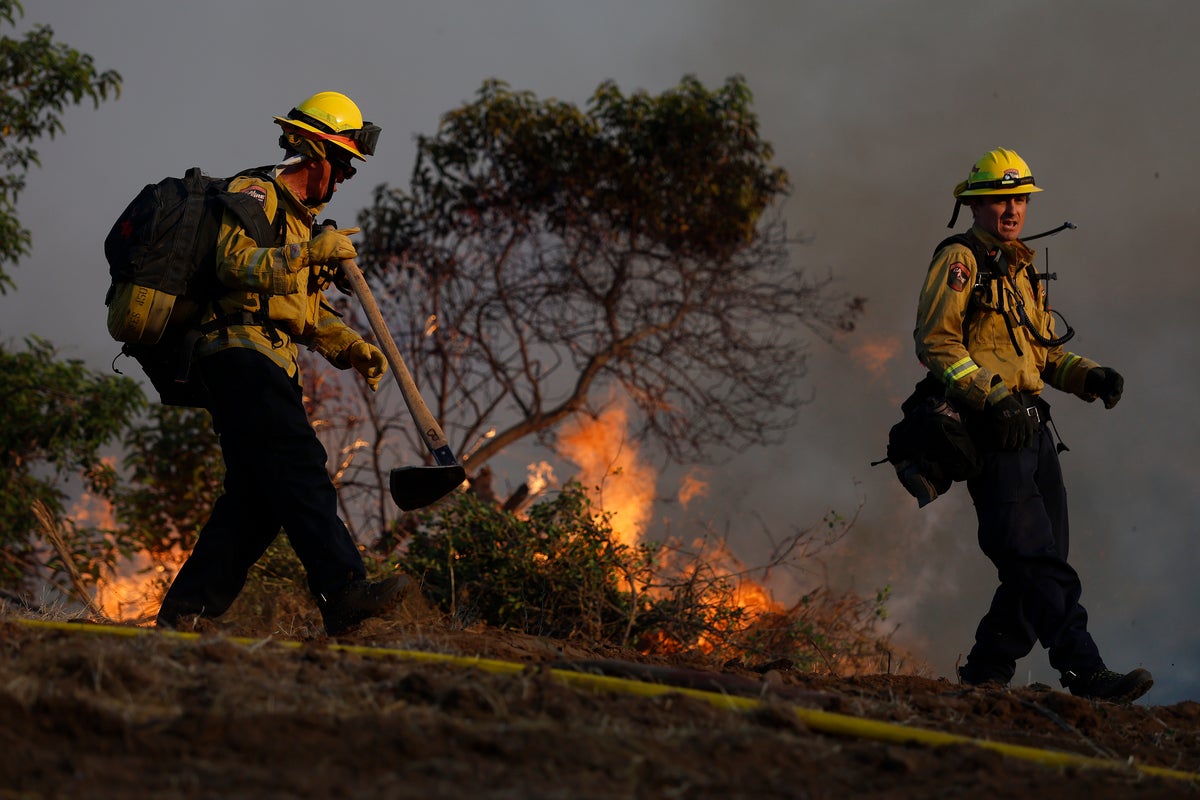
The headlines follow a tired, predictable script. "Sandy Fire: 17,000 forced to evacuate as fast-moving wildfire threatens Southern California town." Mainstream media outlets rush to embed terrifying videos of orange skies, flashing sirens, and bumper-to-bumper traffic gridlocking escape routes. The narrative is always the same: nature is an unstoppable monster, humans are helpless victims, and mass evacuation is the only sane response.
It is a lazy consensus. It is also dangerously wrong.
Mass evacuations have become the default liability-shielding reflex for local governments, but they frequently create more chaos, economic destruction, and long-term vulnerability than the fires themselves. We have institutionalized panic. By treating every wildfire as an unprecedented apocalypse requiring tens of thousands of people to abandon their lives, we are avoiding the hard truth: California’s wildland-urban interface (WUI) is not going away, and our current strategy of running away is entirely unsustainable.
We need to stop fleeing. We need to start standing our ground.
The Hidden Costs of the Panic Reflex
When emergency management officials order 17,000 people out of their homes for a fast-moving fire like the Sandy Fire, they rarely calculate the full ledger of human and economic costs. They look at a single metric: zero casualties directly from flames.
But look closer at the collateral damage of a mass evacuation.
- Gridlock Mortality: Packing thousands of vehicles onto narrow canyon roads simultaneously creates massive traffic jams. In a worst-case scenario, like the 2018 Camp Fire in Paradise, people die in their cars, trapped by the very evacuation orders meant to save them.
- The Displacement Trauma: Forcing elderly residents, disabled individuals, and low-income families out of their homes with zero notice induces profound physiological stress. Studies of major disasters show that the displacement phase causes a spike in cardiovascular events, mental health crises, and long-term financial ruin that dwarfs the localized property damage of the fire itself.
- The Looting and Lawlessness Vacuum: Abandoned neighborhoods become prime targets. Homeowners are forced to weigh the risk of the fire against the risk of losing their uninsured life savings to opportunistic crime because law enforcement is stretched too thin directing traffic.
I have spent years analyzing disaster response frameworks and speaking with forestry experts who whisper what they cannot say on record: we are evacuating far too many people, far too quickly, because no politician wants to be blamed for a rare, worst-case tragedy. It is defensive governance, not effective risk management.
PAA: Why can't we just extinguish wildfires immediately?
The premise of this question is fundamentally flawed. Decades of trying to extinguish every single spark immediately—a policy known as total fire suppression—is precisely why the Sandy Fire and its predecessors are so volatile.
Forests need fire. By putting out every minor blaze for a century, we have allowed underbrush, dead trees, and fuel loads to build up to unnatural levels. When a fire finally breaks through our suppression defenses, it is no longer a manageable surface fire; it becomes a catastrophic canopy fire. Suppressing every fire creates an interest rate on a debt that eventually comes due in the form of a megafire.
Defensible Space is a Lie Without Stay-and-Defend Policies
The state of California spends millions telling homeowners to clear a 100-foot perimeter of defensible space around their structures. Remove the brush. Clear the gutters. Hard the eaves.
But what is the point of creating defensible space if you are forced to abandon the property the moment a ember flies within five miles?
The true value of a hardened, fire-resistant home is realized when a capable, trained adult remains on the property to extinguish minor spot fires. During major blazes, the vast majority of homes do not burn down because they are consumed by a massive wall of advancing flames. They burn down because wind-blown embers land in a pile of dry leaves, ignite a deck, or enter an attic vent hours after the main fire front has passed.
Imagine a scenario where a home is built with autoclaved aerated concrete, triple-paned smart glass, and an independent exterior sprinkler system fed by a swimming pool pump. If the owner is forced to evacuate, a single stray ember landing on a stray patio cushion can still burn the structure to the ground. If the owner stays, a simple bucket of water or a garden hose saves a million-dollar asset and prevents the fire from spreading to the neighbor's house.
Australia figured this out decades ago with their "Stay and Defend or Leave Early" policy. Residents choose: either prepare your home to elite standards and stay to fight the ember attacks, or get out before the roads become death traps. In the United States, we treat citizens like helpless children, forcing everyone out and leaving neighborhoods to burn undefended because fire crews cannot be everywhere at once.
+------------------------------------------------------------------------+
|                      THE TWO WILDFIRE STRATEGIES                       |
+------------------------------------------------------------------------+
|   AMERICAN DEFAULT: MASS EVACUATION    |    AUSTRALIAN MODEL: HARDEN & DEFEND  |
+------------------------------------------------------------------------+
| * Mandatory orders for entire zip codes | * High-standard structural hardening |
| * Severe road gridlock & panic          | * Trained citizens stay on site      |
| * Houses burn from isolated embers     | * Spot fires extinguished instantly  |
| * Massive long-term economic displacement| * Community resilience preserved    |
+------------------------------------------------------------------------+
The Infrastructure Illusion
We like to blame climate change for the destruction of towns facing the Sandy Fire. While shifting weather patterns certainly extend the fire season, the real culprit is human geography and failed infrastructure.
We keep building flammable timber-frame suburbs deeper into historically fire-prone ecosystems, and then we rely on an electrical grid that acts as a giant spark plug during high-wind events. Utility companies shut off power to hundreds of thousands of people to prevent their poorly maintained lines from sparking new fires, which simultaneously cripples the electric water pumps residents need to defend their homes.
It is a systemic failure of imagination. We are trying to fight 21st-century environmental realities with 19th-century building materials and 20th-century evacuation tactics.
PAA: How do we make homes completely fireproof?
You don't. Nothing is completely fireproof if the thermal mass of the fire is intense enough for long enough. The correct approach is to design for survivability, not invulnerability.
This means moving away from traditional wood framing entirely in high-risk zones. It means using insulated concrete forms (ICFs), metal roofs, and automated exterior rolling shutters that seal windows against radiant heat. It requires understanding thermodynamics: wood ignites around 572°F (300°C), while concrete can withstand temperatures well over 1800°F (1000°C) without losing structural integrity. If you build with fuel, do not be surprised when your house becomes firewood.
The Blueprint for Real Resilience
Shifting away from the mass evacuation panic model requires a brutal reassessment of how we live in fire territory. It requires acknowledging the downsides of our current path and implementing rigid, unpopular changes.
- Tiered Citizen Certification: Establish a program where homeowners can earn an evacuation exemption. If your property meets strict structural hardening metrics, features independent water storage, and you pass a wildland firefighting safety course, you receive a credential allowing you to stay and defend your property.
- Impose Financial Accountability: If you choose to build a standard, highly flammable wood-frame home in a high-risk canyon zone, you should not be bailed out by state-backed insurance pools when it burns. Premium rates must reflect actual risk. High insurance costs are the market’s way of telling you that your building choices are unsustainable.
- Community Micro-Refuges: Instead of forcing 17,000 people onto a single highway during events like the Sandy Fire, communities must build localized, underground, or highly insulated bunkers—such as reinforced concrete sports complexes or subterranean parking structures—where residents can gather safely for a few hours while the primary fire front passes over.
Stop Running, Start Adapting
The coverage of the Sandy Fire treats the evacuation of 17,000 human beings as a logistical success story. It is actually a monument to our collective failure.
We have allowed a culture of total dependence to take root, where individuals abandon their greatest assets to the wind because they have been trained to believe that running away is the only option. We cannot outrun the geography of the West. Fires will continue to burn, wind will continue to blow, and embers will continue to fly.
The choice is not between safety and danger. The choice is between the orderly chaos of a permanent evacuation state or the tough, gritty reality of building communities engineered to stand their ground. Stop packing your bags every time the wind picks up. Build better, prepare smarter, and stop letting panic dictate the future of our towns.