A badge is heavy. It carries the weight of a city's trust, the authority to alter lives, and a promise written in the unspoken contract between the public and those who patrol the streets. When that badge crosses an ocean and ends up in a Spanish jail cell, the contract doesn't just bend. It snaps.
The story out of Europe sounds like the opening act of a gritty crime thriller. Two off-duty Toronto police officers, far from their usual beats, found themselves under arrest in Spain. The allegations involve a severe assault against a local woman. It is the kind of headline that stops you mid-scroll, forcing a sharp intake of breath.
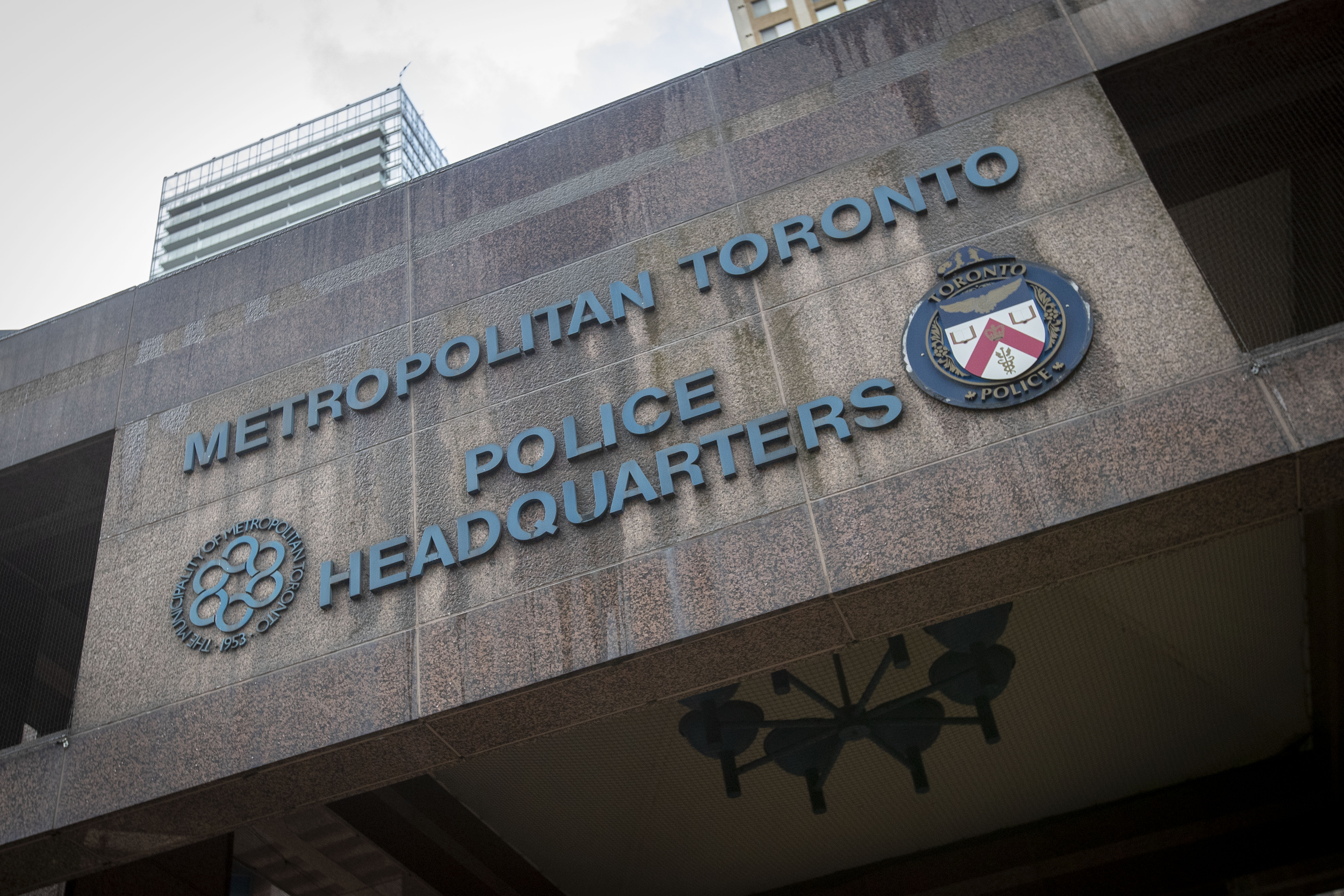
But the real shockwave didn't come from the arrest itself. It came from the quiet bureaucracy that followed. Back home in Ontario, the Toronto Police Service confirmed a frustrating reality. While these officers sit thousands of miles away, stripped of their duties and facing foreign justice, their paychecks will keep clearing. Every two weeks. Like clockwork.
To understand why this happens is to peek into a system designed for fairness that frequently looks, to the taxpaying eye, like an absolute mockery of justice.
The Quiet Room on Yonge Street
Picture a generic, fluorescent-lit office in downtown Toronto. Let us imagine a clerk named Sarah. She does not know the officers. She has never been to Spain. But it is her job to process the payroll. Every month, she sees the deductions for the pension, the healthcare, and the steady accumulation of a salary funded by the very citizens currently reading the news in outrage.
Sarah is a hypothetical construct, but her routine is entirely real. Her fingers hit the keyboard, and the money moves.
This is the mechanics of paid suspension. Under Ontario's Police Services Act, the default setting for an officer accused of a crime—even a heinous one, even on vacation—is suspension with pay. The chief of police cannot simply cut off the financial lifeline. Their hands are tied by legislation that has stood for decades, fiercely guarded by powerful associations.
The logic behind the law is rooted in a fundamental pillar of Western justice: the presumption of innocence. If an officer is falsely accused, stripping their livelihood before a trial could ruin their family, destroy their credit, and render them destitute before they ever have a chance to defend their name.
That sounds noble in a courtroom. It feels entirely different at a kitchen table in Scarborough, where a resident is looking at an increasing property tax bill and wondering why their hard-earned money is financing the legal limbo of men detained in Europe.
The Geography of Accountability
Consider what happens next when the jurisdiction blurs. If an officer commits an offense in Toronto, the internal affairs unit swoops in. Investigators interview witnesses, secure video footage, and build a case for an internal tribunal. The process is slow, but the machinery is local.
When the incident happens in a coastal town in Spain, the machinery grinds to a halt.
The Toronto Police Service cannot easily launch a parallel investigation while Spanish authorities hold the evidence, the victim, and the accused. The local force is left waiting for updates from a foreign court system operating under different laws, in a different language, at its own pace.
Meanwhile, the meter runs.
This isn't an isolated anomaly; it is a feature of a system that treats police officers as a protected class of employees. In most civilian jobs, if you are jailed in a foreign country and cannot show up for work, you are fired for frustration of contract. You cannot perform your duties. Therefore, you do not get paid.
But a police officer is not a standard employee. They are an island of state-sanctioned authority. The laws governing their termination are so rigidly constructed that even when the optics are devastating, the bureaucracy must grind onward, oblivious to the public's collective eye-roll.
The Friction of the Double Standard
The real problem lies elsewhere, buried deep in the psychology of public trust.
When a community looks at its police force, it expects a higher standard of conduct. We grant these individuals the right to use force, to detain us, and to carry weapons. In exchange, we expect an almost flawless adherence to the law.
When that trust is shattered by an arrest, the immediate continuation of pay feels like a betrayal. It creates a toxic friction. The public sees a double standard where the shield protects the wearer from the immediate economic consequences that any ordinary citizen would face.
It is a terrifying thing to realize that the systems built to protect us can feel so entirely insulated from our outrage. You watch the news, you feel the heat rise in your chest, and then you realize that nothing will change tomorrow. The wheels will keep turning. The direct deposits will hit the bank accounts.
We are left to grapple with the discomfort of a legal system that prioritizes procedural perfection over moral symmetry. The law demands that the officers receive their due process, and in Ontario, due process is expensive. It is measured in bi-weekly installments, funded by the public, stretching across the months or years it takes for a Spanish judge to reach a verdict.
The sun sets over the Toronto skyline, glinting off the glass towers of the financial district and the brick facades of the precincts. Somewhere across the Atlantic, two men wait in a cell. Back home, the ledger stays balanced, the payroll runs, and the city waits for a resolution it has already paid for.