The air inside a department store during a liquidation sale has a distinct, heavy scent. It smells of dust kicked up from carpets that haven't been moved in decades, cardboard boxes stacked under fluorescent lights, and the unmistakable, bitter tang of anxiety. For generations, these massive retail anchors were regional sanctuaries. They were places of predictable routine, where floors were polished to a high sheen and the worst disruption a manager might face was a disputed return or a broken escalator.
Then the world shifted. The grand B.C. department store, a staple of the community, shuttered its public operations. The shoppers vanished. The music stopped playing. But the physical space remained—a cavernous shell filled with the ghost of commerce and a skeleton crew tasked with winding down the final chapters of a corporate legacy.
It was inside this liminal space, the former Hudson’s Bay location in downtown Nanaimo, British Columbia, that the illusion of workplace safety dissolved completely.
A retail manager does not sign up for danger. They sign up for inventory tracking, scheduling, and customer service. Yet, on a Tuesday afternoon that should have been defined by quiet administrative monotony, a routine interaction turned into a violent struggle for survival. The subsequent arrest and charging of a twenty-one-year-old suspect brought a harsh truth into sharp focus. The frontline workers of the retail industry are now facing societal fractures they were never trained or equipped to handle.
The Quiet Threat in Empty Spaces
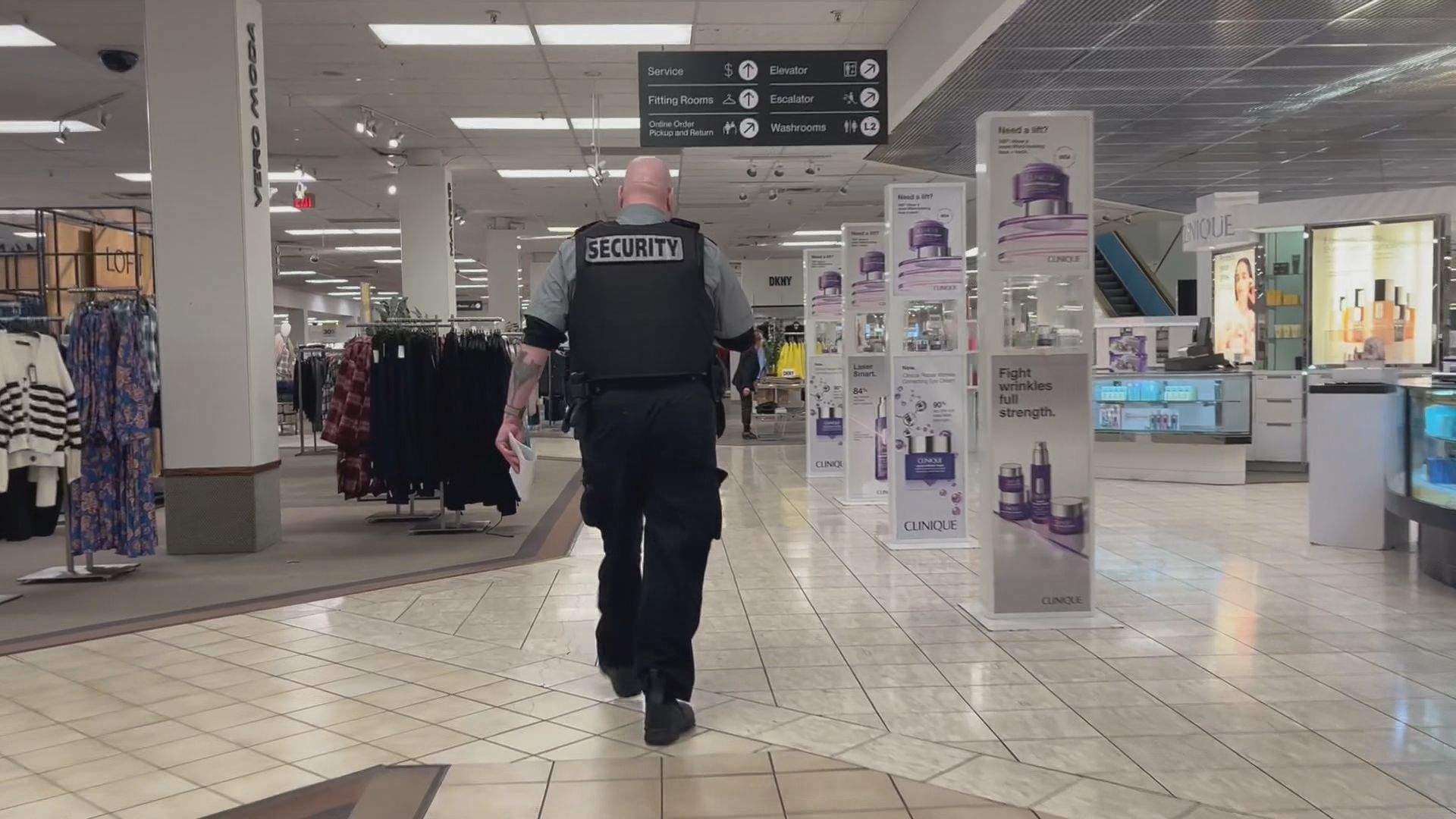
Picture the scene. The store is closed to the public. The sprawling floor, once vibrant with displays of perfume, designer clothing, and housewares, is mostly empty. The silence is deafening. In these final stages of a store’s life, a manager’s role transitions from hospitality to asset protection and logistics.
On this particular day, an unauthorized individual bypassed the boundaries separating the quiet streets of Nanaimo from the interior of the building. When the store manager confronted the intruder, the response wasn't a rushed apology or a quick exit. It was immediate, unprovoked violence.
The manager was stabbed.
Blood on polished linoleum changes a place. The emergency response was swift—police cruisers throwing blue and red light against the glass facade, paramedics rushing through doors meant for shoppers. The manager was transported to the hospital with serious, life-altering injuries. The suspect fled into the surrounding urban landscape, leaving behind a crime scene and a profound sense of violation.
This wasn't an isolated incident of bad luck. It was the predictable intersection of retail vulnerability and escalating community crisis. For years, the conversation around retail crime has focused heavily on the financial ledger. Corporate boardrooms debate shrink percentages, organized shoplifting rings, and the rising cost of insurance. But those numbers mask the human toll. They obscure the reality of what it feels like to stand on a sales floor, wondering if the person walking through the door is looking for a deal or looking for a target.
The Mirage of Corporate Security
The policing response to the Nanaimo stabbing was, by operational standards, a success. Investigators with the Nanaimo RCMP Serious Crime Unit swarmed the area. They gathered surveillance footage, interviewed shaken witnesses, and pieced together a timeline. Within forty-eight hours, they arrested a young man and the BC Prosecution Service approved charges of aggravated assault.
But an arrest is a reactive bandage on a systemic wound.
Consider the modern retail environment. In an effort to cut costs and compete with e-commerce giants, physical stores have systematically reduced their staffing levels. The traditional floor walker, the dedicated security guard, the abundance of associates scattered across departments—all have been thinned out. What remains is a lean operation where a lone manager often bears the full weight of operational oversight and security enforcement.
This creates an environment of acute vulnerability. When a business decides to close a location, that vulnerability doubles. The presence of fewer eyes on the floor invites opportunism. To a desperate individual, an aging department store undergoing a shutdown doesn't look like a business wrapping up its affairs. It looks like an unmonitored fortress of goods, a quiet place to seek shelter, or a soft target.
The burden of this miscalculation falls squarely on the shoulders of people who earn a living by managing shifts and ordering stock. They are thrust into the roles of crisis negotiators, de-escalation experts, and physical security guards, possessing none of the protective gear or institutional backing required for those professions.
The Invisible Stakes of the Frontline
We have grown accustomed to treating retail encounters as transactional, fleeting, and disposable. You buy an item, you leave, and you forget the face of the person who helped you. But the individuals behind the counters are anchors of their own ecosystems. They are parents, partners, and neighbors.
When a worker is assaulted on the job, the trauma ripples outward far beyond the physical wounds. It infects the entire staff. It changes the way every employee views a customer approaching with a hand in their jacket pocket. The psychological cost of working in public-facing roles has skyrocketed, yet the compensation and support structures remain firmly rooted in a bygone era of safety.
The Nanaimo incident highlights a widening gap between corporate policy and reality. Most retail chains have strict guidelines regarding confrontation. Employees are told not to intervene in thefts, to step back, and to observe and report. It sounds logical in a training video.
But reality is messy.
A confrontation doesn't always give you time to consult a handbook. An intruder appearing in a restricted area requires immediate attention. A manager’s instinct is to protect the property, their staff, and the integrity of the space. In that split second of decision-making, the line between an administrative duty and a life-threatening encounter vanishes. The manager in Nanaimo didn't seek out a fight. The fight came to them, driven by a broader societal breakdown that continues to spill over the thresholds of our commercial districts.
The Anatomy of an Escalation
To understand how a routine afternoon turns into a police tape perimeter, one must look at the changing nature of urban centers across the country. Small and mid-sized cities are grappling with unprecedented levels of mental health crises, addiction, and homelessness. These are not secret issues; they are visible on almost every downtown street corner.
Retail spaces, by their very nature, are designed to be porous. They invite the public in. Even when a store is closing down, the boundaries between the street and the interior are fragile. When a community’s social safety net frays, the local department store or grocery outlet becomes the default arena where these unaddressed crises play out.
The suspect in this case, a young man at the very beginning of his adult life, now faces the weight of the Canadian legal system. The manager faces a long, arduous road to physical and emotional recovery. Two lives were permanently altered in a matter of minutes over a trespass dispute in a dying store.
This is the true cost of the modern retail landscape. It is not measured in the loss of inventory or the devaluation of corporate real estate. It is measured in the fear that lingers in the breakrooms, the hypervigilance of staff scanning the entrances, and the physical scars borne by workers who were simply trying to finish their shifts and go home.
The yellow police tape has long been cleared from the Nanaimo storefront. The legal process will move forward with its slow, methodical bureaucracy. The corporate entities will file their reports and adjust their risk assessments. But for the people who clock in every day to keep the wheels of commerce turning, the silence of that empty department store remains a stark reminder of how quickly a ordinary workplace can turn into a combat zone.
The doors of the old Hudson's Bay remain locked now, the interior dark, leaving the community to look at the stained glass and wonder how a place built for connection became the setting for such a stark reminder of our collective fragility.