Crossing an international border is usually just a mundane chore of showing identification, answering a quick question about goods, and driving home. But for millions of permanent residents, that routine has transformed into a high-stakes legal trap. Imagine living in the same American town for over a decade, paying your taxes, renewing your residency without a hitch, and suddenly finding yourself locked in a secondary interrogation room for six hours over a checkmark on a voter roll.
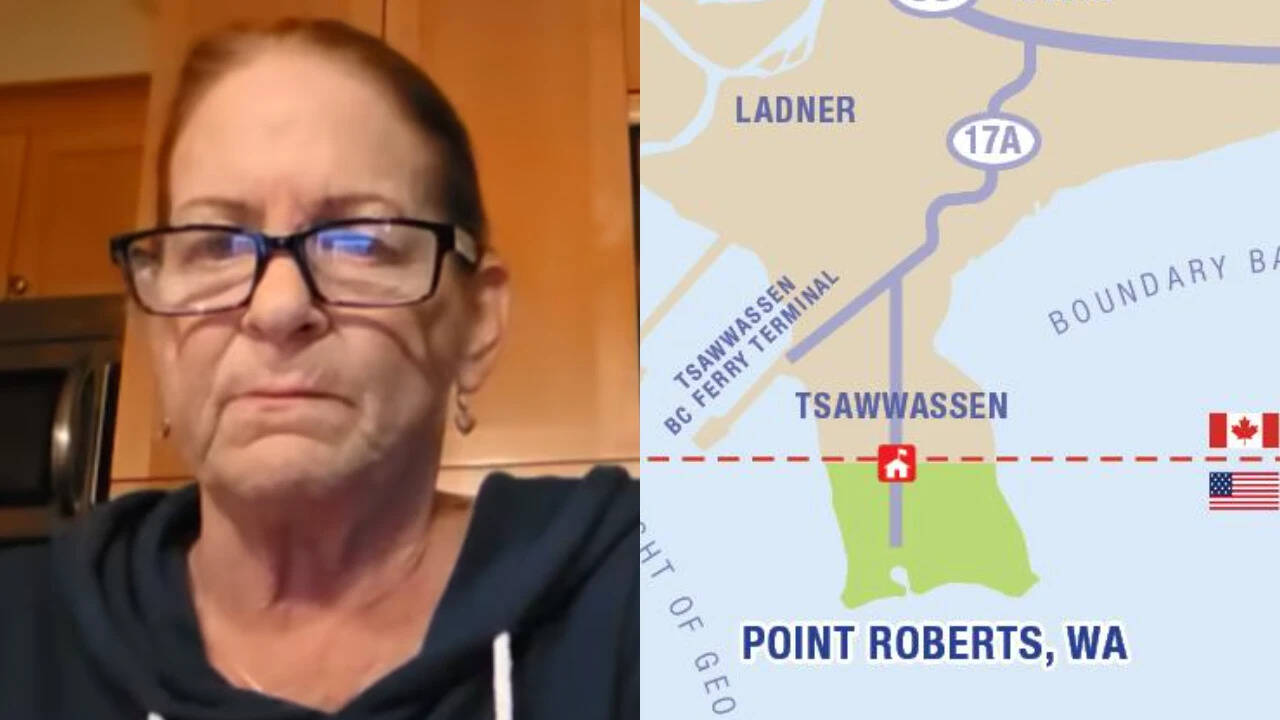
That is the nightmare reality that hit Paige Adamson, a 61-year-old Canadian citizen and long-term United States green card holder living in Point Roberts, Washington. Coming home from a simple birthday dinner across the Canadian border, she was pulled aside by border agents armed with a startling accusation: she was allegedly registered to vote and had cast a ballot in a past state election. For non-citizens, even accidental voter registration can trigger devastating immigration consequences, including detention, charges, and removal proceedings.
The crackdown isn't an isolated incident. Immigration attorneys near the northern border report an unprecedented surge in longtime permanent residents being flagged, detained, and interrogated about their voting histories during routine re-entries. With election integrity high on federal enforcement priorities, databases are cross-referencing state voter rolls with immigration records, catching residents who often had no idea they were breaking federal law.
How Accidental Voter Registration Happens
How does a legal permanent resident end up on a voter database? The mechanics of local bureaucracy often create invisible hazards. In many states, driver's license applications or routine renewals interact with voter registration systems automatically or through confusing prompts. If an applicant checks the wrong box, or if a local agency misinterprets citizenship documentation, a non-citizen can be added to active voter rolls instantly.
Many municipalities even mail ballots or voter guides directly to residential addresses regardless of citizenship status. For immigrants who don't follow domestic politics closely, receiving a ballot in the mail doesn't automatically trigger alarm bells. They might toss it out, or in some cases, fill it out under the honest misconception that local or state participation is permitted for legal residents. Under federal law, however, casting a ballot in a federal election as a non-citizen is a severe offense that can invalidate years of lawful residency.
The Department of Homeland Security maintains that these cross-checks are necessary to enforce federal statutes prohibiting non-citizen voting. But immigration advocates point out a massive gap in common sense. Longtime green card holders with clean records, deep community ties, and zero intent to defraud the system are being treated like hardened criminals over administrative errors.
The Hidden Risks of International Travel for Green Card Holders
For decades, holding a green card meant you could travel internationally with relative peace of mind, provided you didn't stay abroad for extended periods. Today, legal experts are offering a much more cautious directive: think twice before crossing any border.
Because border enforcement agencies have integrated real-time database screenings into their primary and secondary checkpoints, historical anomalies pop up instantly on agent screens. An unverified voting entry from five or ten years prior can trigger an immediate detention order. People who have crossed the exact same port of entry hundreds of times without issue are suddenly pulled into back rooms, stripped of their communication devices for hours, and pressured into signing legal documents.
The interrogation tactics leave psychological scars. In Adamson’s case, reports noted she was detained for hours without basic comforts like immediate access to water or restrooms during the initial phases of questioning. Facing the prospect of deportation after building an entire life in the United States creates a crushing psychological toll, turning ordinary legal residents into prisoners of anxiety within their own communities.
What Permanent Residents Must Do Right Now
If you hold a green card and have any lingering uncertainty about your voting history or past state registrations, ignorance is no longer a legal shield. Taking proactive steps can protect your status before you encounter federal authorities at a port of entry.
- Contact local election offices in every county where you have previously lived or held a driver's license to audit your voter registration status explicitly.
- Confirm in writing that your name has been purged from any active voter rolls if you registered by mistake.
- Consult an experienced immigration attorney immediately if you ever received, requested, or submitted an election ballot in the past.
- Minimize non-essential international travel until you have verified that your records are entirely clean and free of red flags.
The system is moving fast, and federal agencies are digging deeper into historical databases than ever before. Protecting your legal status means assuming nothing and verifying everything.